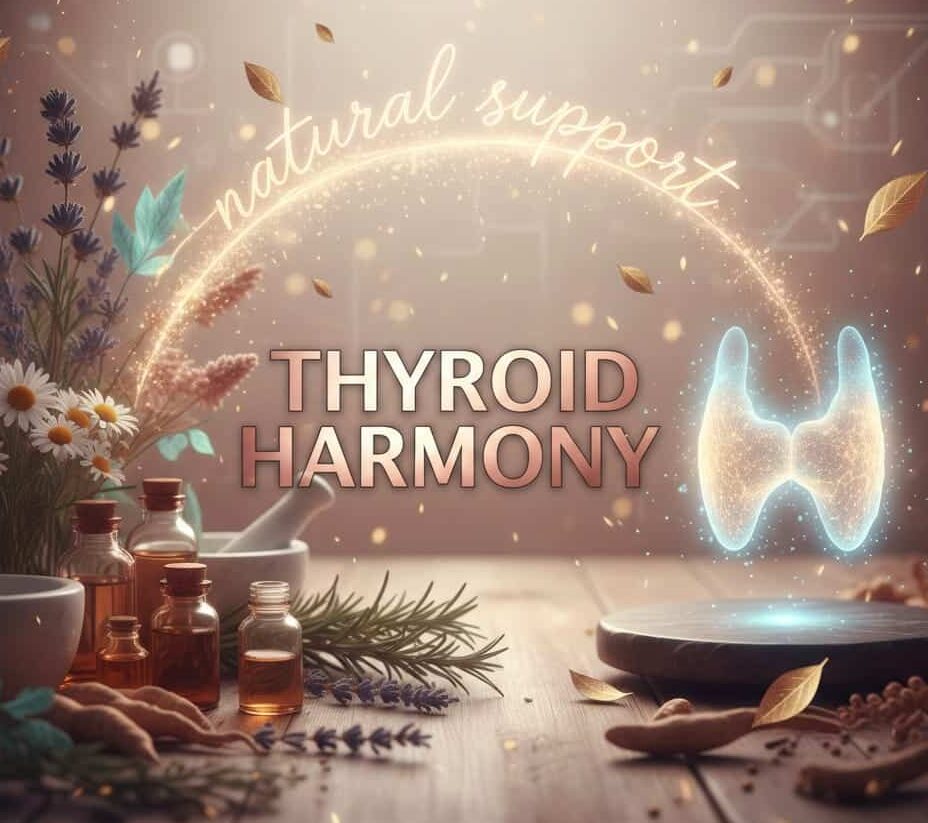
7 Herbs for Hypothyroidism in Women: Natural Support
Herbs for hypothyroidism in women are becoming a popular topic as more women search for natural ways to feel balanced, energized and in control of their health.
Imagine this: a woman in her thirties begins noticing that no matter how much she rests, she feels exhausted. Her hair is thinning, her skin is dry, and her moods are unpredictable. She wonders if stress is to blame but later learns that her thyroid, the small butterfly-shaped gland in her neck, plays a much bigger role than she ever realized.
The thyroid is often called the body’s “engine,” controlling metabolism, energy, mood and even reproductive health. When it slows down or becomes imbalanced, symptoms can feel overwhelming—weight gain, fatigue, brain fog and emotional ups and downs. While conventional treatment remains essential, many women also want gentle, natural approaches to complement medical care. This is where herbs for thyroid health can play an important role.
For centuries, healing traditions have relied on herbs to restore hormonal balance and strengthen the body. Modern research now supports the use of certain herbs that may help regulate thyroid hormones, calm inflammation, and support overall well-being. In this article, we’ll explore seven clinically studied herbs for hypothyroidism in women that could be valuable allies for those seeking holistic thyroid support.
👉 Before we dive into the list, it’s important to highlight a quick safety note about using herbs for thyroid health.
A Quick Note on Safety for Using Herbs for Hypothyroidism in Women
When exploring herbs for hypothyroidism in women, it’s essential to keep in mind that they are best used as supportive care, not as a replacement for medical treatment. Most herbs are considered safe when used in traditional amounts—like teas, spices, or food—but supplements can be much stronger and may interact with thyroid medication such as levothyroxine.
Everyone’s body responds differently, so what works well for one woman may not be suitable for another. If you’re currently taking thyroid medication or managing a thyroid condition, it’s always best to check with your healthcare provider before adding herbal supplements to your routine.
Think of herbs for hypothyroidism in women as supportive allies on your wellness journey—tools that may complement your treatment plan, rather than replace it.

How Herbs May Support Thyroid Function
The thyroid may be small, but its influence is enormous. It produces hormones that regulate metabolism, energy, mood, and even reproductive health. When thyroid function becomes sluggish or imbalanced, many women experience fatigue, weight changes, anxiety, brain fog or irregular menstrual cycles. While conventional medicine provides essential treatment, herbs can play a complementary role by supporting the body in natural ways. Unlike quick fixes, herbal support works gradually and gently. Over time, they may help improve energy, mood, and overall resilience. Combined with lifestyle choices such as balanced nutrition, good sleep and stress management, the best herbs for hypothyroidism can become valuable allies in supporting long-term thyroid health.
Herbs often work through three main pathways:
- Hormonal balance – Some herbs may influence thyroid hormones directly, helping to restore balance when levels are too low. For example, adaptogenic herbs can gently encourage the body to find equilibrium.
- Reducing inflammation – Inflammation is often linked with thyroid disorders, particularly autoimmune conditions like Hashimoto’s. Certain herbs contain natural compounds that calm inflammation and protect thyroid tissue.
- Stress support – Stress is a major trigger for thyroid dysfunction. Adaptogens and calming herbs help regulate the stress response, easing the burden on the thyroid and adrenal glands.
Unlike quick fixes, herbal support works gradually and gently. Over time, they may help improve energy, mood, and overall resilience. Combined with lifestyle choices such as balanced nutrition, good sleep, and stress management, herbs can become valuable allies in supporting long-term thyroid health.
Now, let’s explore seven clinically studied herbs that show promise in helping women support thyroid function naturally.
1. Ashwagandha (Withania somnifera)– A Key Herb for Hypothyroidism in Women
Ashwagandha is one of the most well-known adaptogenic herbs, long used in Ayurveda to restore balance and resilience. For women with thyroid concerns, it has gained attention because of its potential to support the production of thyroid hormones, especially in cases of hypothyroidism.
What research says:
Modern studies suggest that ashwagandha may stimulate thyroid activity. In one clinical trial, adults with subclinical hypothyroidism who took ashwagandha extract showed significant improvements in their T3 and T4 hormone levels compared to those on a placebo. Researchers believe its adaptogenic properties—helping the body adapt to stress—may also reduce the burden on the thyroid and adrenal glands.
How it may help women:
- Supports energy levels and reduces fatigue.
- Promotes better stress resilience, which indirectly benefits thyroid balance.
- May gently improve thyroid hormone production.
Safety notes:
Ashwagandha is generally safe for most people when taken in moderate amounts, but it may not be suitable for women who are pregnant, breastfeeding or those with hyperthyroidism (overactive thyroid). It may also interact with thyroid medication, so professional guidance is recommended before using concentrated supplements.
Ashwagandha offers a unique combination of hormonal and stress support, making it a powerful ally for women seeking natural thyroid balance
2. Guggul (Commiphora mukul)– Traditional Support for Hypothyroidism in Women
Guggul, a resin derived from the Commiphora mukul tree, has been used in Ayurvedic medicine for centuries to promote metabolism and balance hormones. It is especially valued for its potential effects on sluggish thyroid function and weight management.
What research says:
Animal studies suggest that guggul extracts may stimulate thyroid hormone production, particularly increasing the activity of enzymes involved in converting T4 into the more active T3 hormone. This conversion is essential for maintaining energy, metabolism, and mood. Some preliminary human studies also indicate guggul’s role in supporting weight management, which can be a common struggle for women with hypothyroidism.
How it may help women:
- Encourages healthy metabolism and energy levels.
- Supports the body’s natural conversion of thyroid hormones.
- May help with managing weight gain linked to thyroid imbalance.
Safety notes:
While guggul shows promise, it should be used with caution. It may interact with thyroid medications, blood thinners, and certain birth control pills. High doses can also cause headaches, nausea, or skin rashes in some individuals. Pregnant or breastfeeding women should avoid guggul.
With careful use, guggul may provide valuable support for thyroid health, especially when paired with a holistic lifestyle approach.
With guggul offering support for metabolism and hormone conversion, our next herb takes a slightly different approach. Bacopa, also known as Brahmi, is traditionally recognized for sharpening the mind, but modern research suggests it may also play a role in supporting thyroid health.
3. Bacopa (Brahmi)
Bacopa monnieri, commonly known as Brahmi, is a small creeping herb widely used in Ayurveda for boosting memory, focus, and calmness. While it’s best known for its cognitive benefits, emerging research suggests it may also support thyroid health in subtle but meaningful ways.
What research says:
Animal studies have shown that Bacopa extract can stimulate thyroid function by increasing T4 hormone levels. This suggests a potential role in supporting women with low thyroid activity. While human studies on thyroid health are limited, Bacopa’s reputation as a brain tonic also makes it valuable for managing symptoms like brain fog and difficulty concentrating—issues commonly linked with hypothyroidism.
How it may help women:
- May gently stimulate thyroid hormone production.
- Supports cognitive function, reducing brain fog.
- Helps manage stress and promote calmness.
Safety notes:
Bacopa is generally considered safe in moderate amounts, especially in teas or standardized supplements. However, high doses may cause digestive upset, such as nausea or diarrhea, in sensitive individuals. Because it may affect thyroid hormone activity, women on thyroid medication should consult their doctor before using Bacopa. Pregnant or breastfeeding women should avoid concentrated forms.
By combining thyroid support with mental clarity, Bacopa offers a unique dual benefit for women managing thyroid imbalances.
4. Turmeric (Curcumin)
Turmeric, the golden spice widely used in South Asian cooking, is celebrated for its powerful anti-inflammatory properties. Its active compound, curcumin, has been studied for a variety of health benefits, including its role in supporting thyroid function and protecting the gland from inflammation-related damage.
What research says:
Inflammation plays a major role in many thyroid disorders, especially autoimmune conditions like Hashimoto’s thyroiditis. Studies suggest that curcumin can reduce oxidative stress and inflammation, helping protect thyroid cells from damage. While it doesn’t directly stimulate thyroid hormone production, its ability to lower inflammation may improve overall thyroid health and reduce symptom flare-ups in women with autoimmune thyroid conditions.
How it may help women:
- Reduces inflammation that contributes to thyroid imbalance.
- Supports immune system balance in autoimmune conditions.
- Promotes overall hormonal and metabolic health.
Safety notes:
Turmeric is generally safe when used in food and teas. However, high-dose supplements may interact with blood thinners, diabetes medications, and thyroid medications. Excessive amounts may also cause stomach upset. Women who are pregnant or breastfeeding should stick to culinary use rather than concentrated supplements unless guided by a healthcare provider.
By calming inflammation and supporting the immune system, turmeric provides gentle but important support for women managing thyroid health, especially those with autoimmune conditions.
5. Holy Basil (Tulsi)
Holy Basil, also known as Tulsi, is a sacred herb in Ayurveda, often called the “Queen of Herbs” for its wide range of healing benefits. Traditionally used to calm the mind and strengthen the body’s resilience, Tulsi is especially valued for its ability to support stress balance—an important factor in thyroid health.
What research says:
Chronic stress is one of the most common triggers for thyroid imbalance, as it affects both the adrenal glands and thyroid hormone regulation. Studies show that Tulsi has adaptogenic properties, meaning it helps the body adapt to stress and maintain balance. It also contains natural compounds with antioxidant and anti-inflammatory effects, which may protect thyroid cells from damage over time.
How it may help women:
- Reduces the negative effects of stress on thyroid function.
- Supports immune balance and reduces inflammation.
- Promotes mental clarity and emotional well-being.
Safety notes:
Tulsi is safe for most people when consumed as tea or in small supplement doses. However, it may lower blood sugar or thin the blood, so women taking diabetes medication or anticoagulants should be cautious. Pregnant or breastfeeding women are generally advised to avoid concentrated Tulsi supplements.
By easing stress and protecting the thyroid from inflammation, Tulsi offers gentle but powerful support for women aiming to restore hormonal balance naturally.
6. Licorice Root
Licorice root has a long history in traditional medicine, valued for its soothing effects on the digestive system and its role in balancing hormones. For women with thyroid issues, licorice root is especially interesting because of its influence on cortisol levels and adrenal support, which are closely linked to thyroid health.
What research says:
Studies suggest that licorice root may help regulate cortisol, the body’s main stress hormone. Since chronic stress and adrenal fatigue can worsen thyroid imbalances, supporting the adrenal-thyroid connection is key. Additionally, licorice contains flavonoids with antioxidant and anti-inflammatory effects that may help protect thyroid tissue from damage.
How it may help women:
- Supports adrenal function, easing stress on the thyroid.
- Reduces inflammation and oxidative stress.
- May improve energy and reduce fatigue.
Safety notes:
Licorice root should be used cautiously. In large amounts or long-term use, it can raise blood pressure, lower potassium levels, and interact with heart or thyroid medications. Women with high blood pressure, kidney disease, or heart conditions should avoid concentrated licorice supplements. Herbal teas with small amounts of licorice are generally safe for most people in moderation.
With careful use, licorice root can be a supportive herb for women dealing with thyroid imbalances, particularly when stress and fatigue are major concerns.
7. Flaxseed
Flaxseed is a nutrient-rich seed best known for its high content of omega-3 fatty acids, fiber and lignans (plant compounds with antioxidant effects). While not traditionally used as a thyroid herb, flaxseed offers important nutritional support that may help women manage thyroid-related symptoms and promote overall balance.
What research says:
Omega-3 fatty acids in flaxseed are linked with reduced inflammation, which is important for women dealing with autoimmune thyroid conditions such as Hashimoto’s thyroiditis. The lignans in flaxseed may also support hormonal balance, while its high fiber content can aid digestion and help regulate weight—two areas often impacted by thyroid disorders. Some studies suggest that flaxseed may improve lipid profiles, which is valuable since thyroid imbalances can sometimes affect cholesterol levels.
How it may help women:
- Reduces inflammation that may worsen thyroid disorders.
- Supports hormonal balance and cardiovascular health.
- Helps manage weight and digestion through its rich fiber content.
Safety notes:
Flaxseed is safe for most women when consumed in food amounts, such as ground flaxseed added to smoothies, yogurt, or baked goods. However, very high amounts may interfere with the absorption of thyroid medication if taken at the same time, so it’s best to space flaxseed and medication several hours apart. Women with digestive issues should also start slowly to avoid discomfort from too much fiber.
As a daily dietary addition, flaxseed offers gentle but consistent support for women seeking to nourish thyroid health naturally.
Herbs for Hypothyroidism in Women: What You Should Know About Medication
While herbs can provide valuable support for thyroid function in women, it’s important to understand how they may interact with prescribed thyroid medication such as levothyroxine. Herbal remedies are not a replacement for medication but can often be used safely alongside it with the right guidance.
Why interactions matter:
Certain herbs and natural supplements may change how thyroid medication is absorbed or metabolized in the body. For example, high-fiber foods or flaxseed, if taken too close to medication time, may reduce absorption. Similarly, potent herbs like guggul or ashwagandha may influence thyroid hormone levels, which can affect dosage requirements.
General guidelines for combining herbs with thyroid medication:
- Timing is key: Take thyroid medication on an empty stomach, usually in the morning and wait at least 3–4 hours before consuming herbs or supplements like flaxseed, iron, or calcium.
- Start low, go slow: Introduce one herb at a time so you can notice how your body responds.
- Consult your healthcare provider: If you’re taking herbs that influence hormone levels (like guggul or ashwagandha), your doctor may want to monitor thyroid hormone levels more closely.
- Watch for side effects: Changes in energy, heart rate, or mood may signal that your dosage needs adjustment.
Finding Balance Between Herbs and Thyroid Treatment
The best approach is a balanced one: use herbs to support thyroid function in women as complementary allies while relying on prescribed medication for stability and control. Herbs can reduce stress, improve inflammation and support overall well-being, while medication ensures your thyroid hormones stay within a healthy range.
Conclusion
The thyroid plays a central role in a woman’s energy, mood, and overall well-being, and when it becomes imbalanced, the effects can be felt throughout daily life. Alongside prescribed medication and professional care, herbs for hypothyroidism in women offer a gentle, natural way to reduce stress, improve inflammation, and encourage hormonal balance.
From adaptogens like ashwagandha and holy basil to nutrient-rich flaxseed, each herb provides unique benefits that can complement conventional treatment. At the same time, lifestyle practices such as nourishing foods, stress management, quality sleep, and mindful movement strengthen the foundation for thyroid health.
Every woman’s journey with thyroid health is different, so it’s important to work with a healthcare provider to choose the right combination of herbs, medication, and lifestyle habits. By blending the wisdom of nature with modern medical care, women can find greater balance, resilience, and vitality.
FAQs About Herbs to Support Thyroid Function in Women
1. What are the best herbs for hypothyroidism in women?
Some of the most studied herbs include ashwagandha, guggul, bacopa, turmeric, holy basil, licorice root, and flaxseed. These best herbs for hypothyroidism may help balance hormones, reduce inflammation, and support energy levels. However, they should be used as complementary support, not as a substitute for prescribed thyroid medication.
2. Can herbs interfere with thyroid medication?
Yes. Certain herbs, such as guggul and ashwagandha, can influence thyroid hormone levels, while flaxseed and high-fiber herbs may reduce absorption of levothyroxine if taken too close together.
To avoid issues, take medication on an empty stomach and wait at least 3–4 hours before consuming herbs for hypothyroidism in women.
3. How long does it take for herbs to improve thyroid symptoms?
Herbs generally work gradually. Some women may notice improvements in energy, mood, or stress levels within a few weeks, but thyroid hormone balance usually takes several months of consistent use. Regular monitoring with a healthcare provider is important.
4. Are herbs safe for women with hypothyroidism?
Many herbs are safe when used in food amounts, but supplements should be taken with caution. Women with hypothyroidism should consult their doctor before using potent herbs like guggul or ashwagandha, as they may alter thyroid hormone levels or interact with medication. Still, many of the best herbs for hypothyroidism are considered safe when used correctly.
5. Can lifestyle changes help, along with herbs?
Yes. A balanced diet, stress management, quality sleep, and gentle exercise all support thyroid health. When combined with herbs to support thyroid function in women, these lifestyle practices can enhance overall well-being and symptom control.


