
Biotin for Postpartum Hair Loss: What New Moms Should Know
Watching clumps of hair fall out during your morning shower can be devastating for any new mother. Does biotin help with postpartum hair loss has become one of the most searched questions among women experiencing excessive shedding after childbirth.
Postpartum hair loss affects approximately 90% of new mothers, typically starting around three months after delivery.
Why Does Postpartum Hair Loss Happen?

Postpartum hair loss, medically termed telogen effluvium, occurs when hormone levels plummet dramatically after childbirth. During pregnancy, elevated estrogen keeps your hair in the anagen (growth) phase longer than normal, resulting in thicker, fuller hair.
After delivery, estrogen drops rapidly, causing numerous hair follicles to enter the telogen (resting) phase simultaneously.
This hormonal shift typically triggers noticeable shedding between three to six months postpartum. The excessive shedding can continue for several months but usually resolves within 12 months after delivery.
Key factors influencing postpartum hair loss severity:
- Hormone fluctuation speed and intensity
- Nutritional status during pregnancy and postpartum
- Stress levels from sleep deprivation and lifestyle changes
- Breastfeeding demands on vitamin and mineral stores
- Pre-existing nutrient deficiencies that worsen after delivery
Understanding the science behind postpartum shedding helps distinguish normal hair loss from potential deficiency-related issues requiring intervention.
Does Biotin Help with Postpartum Hair Loss?

The short answer: does biotin help with postpartum hair loss? Yes, but only if you’re actually deficient. Research from the National Institutes of Health confirms that biotin supplementation benefits individuals with diagnosed biotin deficiency or specific pathologies affecting hair growth. However, evidence supporting supplementation in healthy individuals remains limited.
Here’s what matters for postpartum women:
Biotin deficiency risk increases during pregnancy and breastfeeding. Up to one-third of pregnant women develop subclinical biotin deficiency despite adequate dietary intake. This deficiency can persist or worsen postpartum, particularly in breastfeeding mothers whose bodies prioritize nutrient delivery to breast milk over maternal hair follicles.
Biotin supports keratin production. As a water-soluble B vitamin, biotin acts as a coenzyme in metabolizing proteins, fats, and carbohydrates. It specifically supports keratin infrastructure—the structural protein forming hair, skin, and nails. Without adequate biotin, follicles struggle to produce strong, resilient strands.
Supplementation works when deficiency exists. Clinical studies show that women with confirmed biotin deficiency experience improved hair quality after 2-3 months of supplementation. However, megadoses don’t accelerate growth beyond your genetic potential if you’re not deficient.
The key question isn’t just “does biotin help” but rather “am I actually deficient?” Most postpartum hair loss stems from hormonal shifts, not biotin deficiency. Understanding whether does biotin help with postpartum hair loss in your specific case requires assessing your nutritional status and risk factors.
How Much Biotin for Postpartum Hair Regrowth
Understanding how much biotin should I take daily becomes crucial when considering supplementation for postpartum hair issues.
Recommended biotin dosage for postpartum women:
- Breastfeeding mothers: 35 mcg daily (Adequate Intake level)
- Non-breastfeeding postpartum women: 30 mcg daily
- Therapeutic dose for confirmed deficiency: 2,500-5,000 mcg daily under medical supervision
Many postpartum hair loss vitamins contain 5,000-10,000 mcg biotin—significantly exceeding basic requirements. While biotin has no established toxicity limit, these high doses create concerns about laboratory test interference, potentially affecting thyroid function tests, cardiac markers, and hormone panels.
Safe biotin supplementation guidelines:
- Start with 30-35 mcg from a quality prenatal or postnatal multivitamin
- Consider higher doses (2,500 mcg) only with healthcare provider approval
- Inform all medical providers about biotin supplementation before blood tests
- Stop biotin 3-7 days before scheduled laboratory work
The safe biotin dosage for nursing mothers typically ranges from adequate intake levels up to 2,500 mcg when medically indicated. Avoid products marketing 10,000+ mcg doses unless specifically prescribed for diagnosed deficiency.
Biotin for Postpartum Hair Loss While Breastfeeding
Breastfeeding mothers face unique considerations regarding biotin supplements for new moms. Your body prioritizes nutrient delivery to breast milk, potentially depleting your stores faster than non-breastfeeding women.
Safety considerations for breastfeeding:
✓ Biotin passes into breast milk in small amounts
✓ Adequate Intake of 35 mcg daily is considered safe
✓ Therapeutic doses (2,500-5,000 mcg) require medical consultation
✓ No reported adverse effects on breastfed infants from maternal supplementation
Alternative approaches for breastfeeding mothers:
Rather than relying solely on high-dose biotin supplements, consider a comprehensive postnatal multivitamin containing adequate biotin levels plus complementary nutrients supporting hair health. These typically include iron, zinc, vitamin D, folic acid, and B-complex vitamins—all depleted during lactation and essential for healthy hair follicle function.
Many healthcare providers recommend continuing prenatal vitamins throughout breastfeeding, as these formulations already contain safe biotin levels alongside other nutrients new mothers need. This approach addresses potential deficiencies without the risks associated with megadose supplementation.
Natural Ways to Reduce Postpartum Shedding
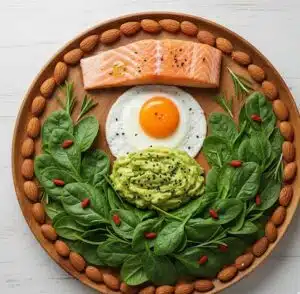
Beyond supplementation, incorporating biotin rich foods for hair growth provides nutrients while supporting overall postpartum recovery.
Top biotin-rich foods for new moms:
- Eggs (10 mcg per whole egg): Easy protein source for quick meals; always cook thoroughly
- Salmon (5 mcg per 3-ounce serving): Provides omega-3 fatty acids supporting scalp health
- Sweet potatoes (2.4 mcg per half-cup): Adds beta-carotene for vitamin A conversion
- Almonds (1.5 mcg per quarter-cup): Portable snack providing healthy fats and vitamin E
- Avocado (2-6 mcg per medium fruit): Monounsaturated fats support nutrient absorption
- Spinach (0.5 mcg per half-cup cooked): Iron and folate support red blood cell production
Practical meal planning for busy new moms:
- Prepare hard-boiled eggs weekly for quick protein
- Keep pre-washed spinach for smoothies or quick sautés
- Stock almond butter for toast or apple slices
- Batch-cook salmon fillets for easy reheating
- Pre-cut sweet potato fries for oven roasting
Combining multiple biotin sources throughout your day easily meets requirements without supplementation. One scrambled egg (10 mcg) plus a handful of almonds (1.5 mcg) and half an avocado (2 mcg) provides 13.5 mcg—nearly 40% of your daily needs.
When Does Postpartum Hair Loss Stop?
Most women experience peak shedding between 3–6 months postpartum, with gradual improvement by 12 months after delivery. Supporting recovery through a balanced diet that includes foods with biotin for hair growth can help strengthen new strands during this regrowth phase.
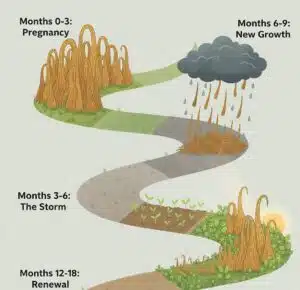
Timeline for postpartum hair regrowth:
- Months 0-3: Minimal shedding; enjoying pregnancy hair thickness
- Months 3-6: Peak shedding phase; most noticeable hair loss occurs
- Months 6-9: Shedding decreases; new growth begins appearing
- Months 9-12: Continued improvement; hair density gradually increases
- Months 12-18: Hair returns to pre-pregnancy baseline for most women
Other Essential Nutrients for Postpartum Hair Health
While biotin receives significant attention, hair follicle health requires comprehensive nutritional support. Managing stress and hormonal balance also plays a crucial role in postpartum recovery.
Iron and ferritin: Essential for oxygen delivery to follicles; deficiency causes excessive shedding
Zinc: Supports protein synthesis and cell division in hair follicles
Vitamin D: Regulates hair growth cycle and follicle stem cell activity
Omega-3 fatty acids: Reduce inflammation around follicles and support scalp health
Protein: Provides building blocks for keratin production throughout the body
Vitamin C: Enhances iron absorption and supports collagen production for follicle structure
Myths vs Facts About Biotin and Postpartum Hair
Separating evidence from marketing claims helps make informed decisions about supplementation.
MYTH: Taking 10,000 mcg biotin accelerates hair growth beyond normal rates.
FACT: Biotin only helps if you’re deficient; excess amounts don’t speed growth.
MYTH: All postpartum hair loss stems from biotin deficiency.
FACT: Hormonal changes cause most postpartum shedding, not nutrient deficiency.
MYTH: Biotin supplements work within 2-4 weeks.
FACT: Minimum 3 months required for visible improvement; hair grows slowly.
MYTH: Higher biotin doses are always better and completely safe.
FACT: Megadoses interfere with medical tests and offer no additional benefits.
MYTH: Biotin alone will restore pre-pregnancy hair thickness.
FACT: Comprehensive nutrition, stress management, and time are equally important.
Understanding these distinctions prevents disappointment from unrealistic expectations while highlighting the importance of addressing multiple factors affecting postpartum hair health.
When to Seek Medical Advice
While postpartum hair loss is typically benign and self-limiting, certain situations warrant professional evaluation.
Consult your healthcare provider if:
✗ Excessive shedding continues beyond 12 months postpartum
✗ Hair loss occurs in patches rather than diffuse thinning
✗ You experience fatigue, weight changes, or temperature sensitivity
✗ Scalp develops redness, scaling, or inflammation
✗ You notice other symptoms like brittle nails or skin changes
✗ Hair loss severity seems disproportionate to normal postpartum patterns
Frequently Asked Questions
Is biotin safe for breastfeeding mothers?
Yes, biotin is safe during breastfeeding at recommended doses of 30-35 mcg daily. Higher therapeutic doses (2,500-5,000 mcg) should be discussed with your healthcare provider, though no adverse effects on breastfed infants have been reported.
How long does biotin take to work for postpartum hair loss?
Expect minimum 3 months for visible improvement when correcting true deficiency. Hair grows approximately 0.5 inches monthly, so new, healthier growth must replace damaged strands. Immediate results are impossible regardless of dose.
Can you take biotin while pregnant?
Pregnant women need 30 mcg biotin daily, the same as non-pregnant adults. Most prenatal vitamins contain adequate amounts. Consult your healthcare provider before adding separate supplements of biotin during pregnancy. Read in detail Biotin During Pregnancy: Is It Safe?
What’s better for postpartum hair loss—biotin or collagen?
Neither is inherently “better”—they work differently. Biotin supports keratin production while collagen provides structural proteins. Learn more in our detailed comparison of biotin vs collagen for hair and nails.
Will my hair return to normal after postpartum loss?
Yes, most women’s hair returns to pre-pregnancy baseline within 12-18 months after delivery. However, some women notice permanent changes in texture or density, particularly after multiple pregnancies.
Do I need biotin supplements if I eat a balanced diet?
Probably not. A varied diet including eggs, nuts, fish, and vegetables easily provides adequate biotin. Consider supplementation only if blood work confirms deficiency or your healthcare provider recommends it based on risk factors. Read our guide Biotin Deficiency: Signs You Might Not Be Getting Enough
Can biotin cause weight gain during postpartum?
No evidence links biotin to weight gain. Postpartum weight fluctuations stem from hormonal changes, breastfeeding demands, lifestyle factors, and metabolism adjustments—not biotin supplementation.
Should I stop biotin before getting lab work done?
Yes, inform your healthcare provider about biotin supplementation before any blood tests. High biotin levels interfere with thyroid, cardiac, and hormone assays. Your provider may request stopping biotin 3-7 days before testing.
Does biotin help with postpartum hair loss?
Biotin can support postpartum hair health by strengthening hair strands and reducing breakage, but it does not stop hormonal shedding. New moms can benefit by including biotin rich foods vegetarian for hair growth—such as nuts, seeds, legumes, oats, and bananas—to support healthy regrowth naturally.
Conclusion
Does biotin help with postpartum hair loss? The answer depends on whether you’re experiencing true biotin deficiency or normal hormonal shedding. While biotin for postpartum hair loss while breastfeeding is safe at recommended doses (35 mcg daily), most women benefit more from comprehensive nutritional support, stress management, and patience as hormones rebalance.