
Is Biotin Safe for Teenagers? Parent’s Guide
Your teenager wants to take biotin supplements for hair growth, and you are wondering if biotin for teenagers is actually safe. With countless beauty influencers promoting biotin as the secret to thick hair and strong nails, it is no surprise teens are interested. Before you purchase that bottle of supplements, parents need to understand the safety, dosage, and potential risks involved.
Understanding Biotin: What Parents Need to Know
Biotin, also known as vitamin B7 or vitamin H, is a water-soluble vitamin essential for converting food into energy. This nutrient plays crucial roles in metabolizing carbohydrates, proteins, and fats while supporting skin, hair, and nail health.
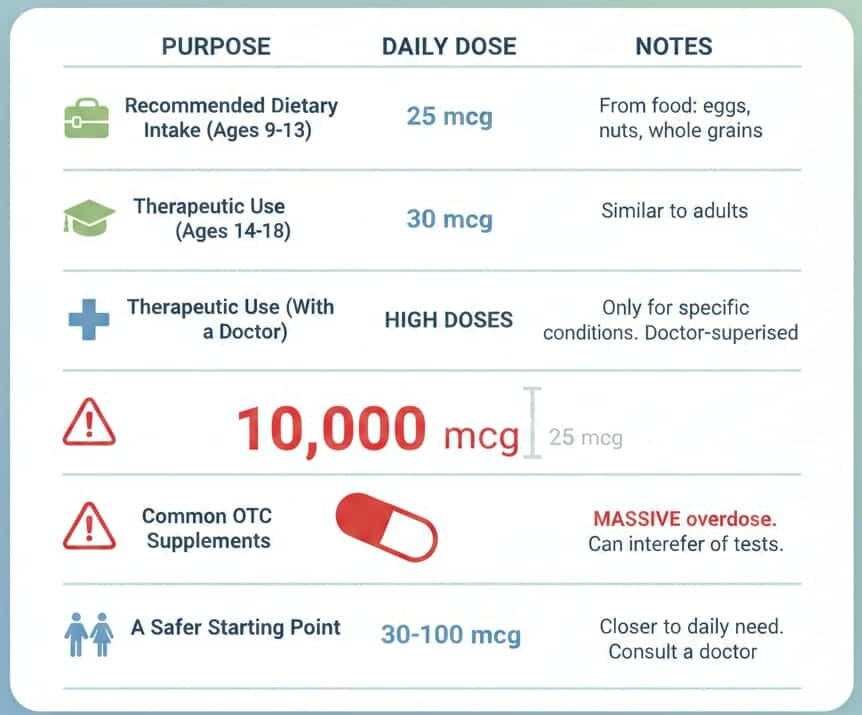
According to the National Institutes of Health, the adequate intake for adolescents aged 14-18 years is 25 mcg daily. Most teenagers easily meet this requirement through diet alone, making supplementation unnecessary in most cases. The body cannot store biotin since it is water-soluble, meaning excess amounts are excreted through urine rather than accumulated.
Is Biotin Safe for Teenagers? The Medical Perspective
Can a 13 year old take biotin? Is biotin safe for 15 year old teens? These are common questions parents ask dermatologists and pediatricians. Mayo Clinic reports that problems in children and teenagers have not been documented with intake of normal daily recommended amounts, and no side effects have been reported for biotin in amounts up to 10 milligrams daily.
Key Safety Points:
- Biotin is generally considered safe when taken at recommended doses
- Water-soluble nature means toxicity is extremely rare
- No established upper limit due to low risk of adverse effects
- Most teens do not need supplementation if eating balanced diets
However, safety does not automatically mean necessity. Biotin deficiency is rare beyond rare in North American adolescents unless they have specific genetic conditions affecting biotin metabolism, such as biotinidase deficiency.
When Might Teenagers Actually Need Biotin?
While most teens get sufficient biotin from food, certain situations may increase requirements:
Medical Conditions:
- Biotinidase deficiency (rare genetic disorder)
- Malabsorption disorders like Crohn’s disease or celiac disease
- Long-term antibiotic or anti-seizure medication use
Dietary Factors:
- Strict vegan or restrictive diets limiting biotin-rich foods
- Eating disorders affecting nutrient absorption
- Consuming excessive raw egg whites (contain avidin, which binds biotin)
Hair Loss Concerns:
- Diagnosed biotin deficiency causing hair thinning
- Trichotillomania (hair-pulling disorder)
- Alopecia areata under medical supervision
Understanding the difference between supplementation needs and supplement trends becomes critical for parents navigating teenage health decisions.
Biotin Dosage for Teenagers: How Much Is Safe?
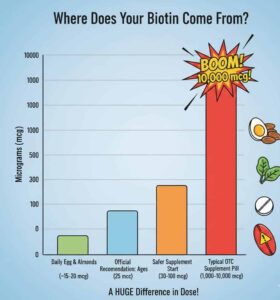
How much biotin should a teenager take? The answer depends on age, diet, and whether a deficiency exists.
Recommended Daily Intake:
- Ages 9-13: 20 mcg
- Ages 14-18: 25 mcg
- Therapeutic doses: 300-3,000 mcg under medical supervision
Common Supplement Doses: Most over-the-counter biotin supplements contain 1,000 to 10,000 mcg, which far exceeds daily requirements. Is 10000 mcg biotin safe for teens? While high doses are not typically toxic, they are unnecessary for most teenagers and may cause unwanted side effects or interfere with laboratory tests.
For parents considering biotin supplements, starting with lower doses (30-100 mcg) makes more sense than mega-doses marketed for dramatic hair transformation.
Does Biotin Cause Acne in Teens? Separating Fact from Fiction
Does biotin cause acne in teenagers? This concern tops the list of parent questions about biotin supplements for teenage acne prevention. The scientific evidence presents a nuanced picture.
Research shows minimal evidence that biotin directly causes acne. However, the biotin and acne connection may involve its interaction with vitamin B5 (pantothenic acid). Both vitamins share the same absorption pathway in the body. When teenagers take high doses of biotin, it may interfere with B5 absorption.
The Vitamin B5 Connection: Pantothenic acid supports healthy skin barrier function and helps regulate oil production. Some studies suggest B5 supplementation can reduce facial acne lesions by more than 60% after 12 weeks. If biotin blocks B5 absorption, this could theoretically disrupt skin balance.
Teenage Acne Reality:
- Up to 30% of people report skin changes after starting biotin
- Breakouts typically appear 2-6 weeks after supplementation begins
- Acne often clusters around jawline, chin, and forehead
- Individual responses vary significantly based on genetics and skin type
Acne-Prone Teens Should:
- Start with lower biotin doses if supplementing
- Ensure adequate B5 intake through diet or supplements
- Drink plenty of water to support detoxification
- Monitor skin changes closely after starting supplements
For comprehensive guidance on how biotin affects skin health, explore information about biotin side effects and skin reactions to make informed decisions.
Natural Biotin Sources for Teenagers

Before reaching for supplements, teenagers should focus on biotin-rich foods that provide this vitamin alongside other essential nutrients.
Animal-Based Sources:
- Egg yolks: 10 mcg per large egg (cooked, not raw)
- Salmon: 4-5 mcg per 3 oz serving
- Beef liver: 31 mcg per 3 oz serving
- Chicken breast: 0.3 mcg per 3 oz serving
- Dairy products: Variable amounts in milk, cheese, yogurt
Plant-Based Sources:
- Sweet potatoes: 2.4 mcg per half cup
- Almonds: 1.5 mcg per quarter cup
- Sunflower seeds: 2.6 mcg per quarter cup
- Spinach: 0.5 mcg per half cup cooked
- Bananas: 0.2 mcg per medium banana
Teenagers following varied diets automatically consume adequate biotin without supplementation. Even vegetarian and vegan teens can easily meet requirements through nuts, seeds, legumes, and vegetables.
To discover more food options that naturally boost biotin intake, check out this comprehensive list of biotin-rich foods for hair growth suitable for teenage dietary preferences.
Biotin for Teenage Hair Loss: Does It Help?
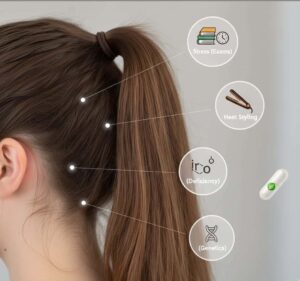
Biotin for teenage hair loss ranks among the most searched supplement queries. Parents notice their teen’s hair thinning and desperately seek solutions. Does biotin actually help?
The Reality Check: Hair loss in teenagers typically stems from factors biotin cannot address, including hormonal changes during puberty, stress from academic pressure, nutritional deficiencies beyond biotin, thyroid disorders, or styling damage from heat tools and tight hairstyles.
Research indicates biotin supplementation helps primarily when documented deficiency exists. For teens with normal biotin levels experiencing hair loss, supplements are unlikely to provide meaningful improvement.
Better Approaches for Teenage Hair Health:
- Identify underlying causes through medical evaluation
- Ensure adequate protein intake (essential for hair structure)
- Address iron deficiency (common in menstruating teens)
- Manage stress through healthy coping mechanisms
- Avoid excessive heat styling and chemical treatments
If your teenager insists on trying biotin, understanding proper biotin dosage recommendations ensures safe supplementation practices while managing expectations about results.
Biotin Side Effects Teenagers Should Know
While biotin is generally safe, teenagers and parents should be aware of potential concerns:
Laboratory Test Interference High-dose biotin can cause falsely elevated or decreased results in blood tests, including thyroid function tests, cardiac markers, and hormone panels. The FDA issued warnings about this interference, which becomes particularly concerning if teenagers undergo medical testing.
Always inform healthcare providers about biotin supplementation before any blood work.
Digestive Issues Some teenagers experience mild nausea, cramping, or digestive upset when starting biotin, especially at higher doses. Taking supplements with food typically minimizes these effects.
Skin Reactions Beyond potential acne, rare cases of skin rashes or allergic reactions occur. Discontinue use and consult healthcare providers if unusual skin changes develop.
Drug Interactions Biotin may interact with certain medications, including anti-seizure drugs and antibiotics. Teens taking prescription medications should discuss supplementation with their doctor first.
Can Teenagers Take Biotin Gummies?
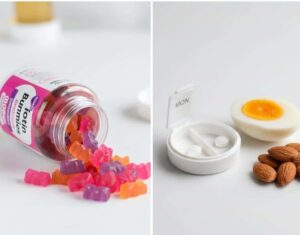
Can teenagers take biotin gummies? Yes, but parents should approach gummy supplements with extra caution. Biotin gummies appeal to teens because they taste like candy, which creates several concerns.
Gummy Supplement Considerations:
- Often contain sugar and artificial ingredients
- May include doses far exceeding recommendations
- Can be consumed like candy, risking overconsumption
- Typically more expensive than traditional tablets
- May contain additional vitamins creating unintended excess
If choosing gummy supplements, select brands with reasonable doses (30-100 mcg) rather than mega-dose formulations, verify third-party testing for quality and purity, keep bottles secured to prevent overconsumption, and treat them as medicine, not candy.
Biotin for Teenage Boys: Special Considerations
Biotin for teenage boys beard growth represents another common supplement motivation. Young men hoping to speed facial hair development often turn to biotin supplements.
Beard Growth Reality: Beard development is primarily controlled by genetics and testosterone levels during puberty, not biotin. No evidence suggests biotin supplements accelerate beard growth in healthy teenage boys. Most dermatologists advise patience as facial hair naturally develops throughout late teens and early twenties.
Athletic Teen Boys: Male teenagers engaged in competitive sports may have slightly increased biotin needs due to higher metabolic demands. However, increased food intake to support athletic activity typically provides sufficient biotin without supplementation.
When to See a Healthcare Provider
Parents should consult healthcare providers before starting biotin supplements if their teenager experiences sudden or severe hair loss, unexplained skin rashes or changes, signs of nutritional deficiencies, diagnosed medical conditions affecting nutrient absorption, or persistent acne not improving with standard treatments.
Medical evaluation can identify underlying issues requiring specific treatment rather than generic supplementation.
Creating Healthy Habits Beyond Supplements
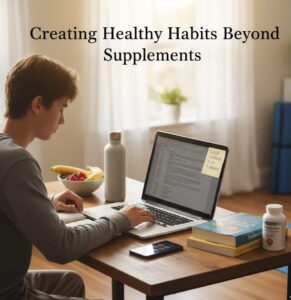
Rather than focusing solely on biotin for teenagers, parents can support teen health through comprehensive approaches.
Nutrition Education: Teach teenagers about balanced diets including adequate protein, healthy fats, fruits, vegetables, and whole grains. Help them understand how food choices affect hair, skin, and nail health naturally.
Stress Management: Academic pressure, social challenges, and hormonal changes create significant stress affecting teen health. Support healthy stress management through exercise, adequate sleep, and open communication.
Realistic Expectations: Help teenagers understand that dramatic transformations from supplements are marketing myths. Healthy hair, skin, and nails develop gradually through consistent healthy habits.
Professional Guidance: Encourage consulting dermatologists or healthcare providers for legitimate concerns rather than self-treating with supplements based on social media advice.
FAQ
Is biotin safe for teenagers to take daily?
Yes, biotin is safe for teenagers when taken at recommended doses (25-100 mcg daily). Excessive doses are unnecessary and may interfere with lab tests. Most teens get sufficient biotin from diet alone, making supplementation optional rather than essential.
Can a 13 or 14-year-old take biotin supplements?
A 13-year-old can take biotin supplements, but it is rarely necessary. The adequate intake for this age is 20 mcg daily, easily obtained through food. Supplementation should only occur under medical guidance if a deficiency is diagnosed or specific health conditions warrant it.
How much biotin should a 16-year-old take?
A 16-year-old should consume 25 mcg of biotin daily, the adequate intake for adolescents 14-18 years. If supplementing, doses of 30-100 mcg are reasonable. High doses (5,000-10,000 mcg) provide no additional benefits and are unnecessary for healthy teenagers.
Does biotin cause acne in teenagers?
Biotin does not directly cause acne, but high doses may interfere with vitamin B5 absorption, potentially affecting skin health. Some teenagers report breakouts after starting biotin supplements. Those prone to acne should start with lower doses and ensure adequate B5 intake.
Will biotin help my teenager’s hair grow faster?
Biotin helps hair growth only if your teenager has biotin deficiency, which is rare. For teens with normal biotin levels, supplements will not accelerate hair growth. Genetics, nutrition, hormones, and overall health determine hair growth rate more than biotin supplementation.
Are biotin gummies safe for teens?
Biotin gummies are safe when used appropriately, but parents should supervise consumption. Choose gummies with reasonable doses (30-100 mcg) rather than mega-doses, and treat them as medicine, not candy, to prevent overconsumption of sugar and unnecessary vitamins.
Can biotin help with teenage acne?
Evidence suggests biotin may help certain types of acne, particularly when combined with other vitamins and topical treatments. However, biotin alone is not a standard acne treatment. Teenagers with acne should consult dermatologists for evidence-based treatment recommendations rather than relying on supplements.
Should my daughter take biotin for thinning hair?
Before giving biotin for teenage girls hair growth, identify why hair is thinning. Common causes include iron deficiency, thyroid issues, stress, or hormonal changes. Medical evaluation should determine if biotin supplementation is appropriate or if other treatments are needed.
What is the maximum amount of biotin per day for a teenager?
Stick to doses closer to adequate intake levels (25-100 mcg) for safer supplementation. 10,000 mcg significantly exceeds teenage biotin needs. While not toxic, such high doses are unnecessary and may interfere with laboratory tests or create imbalanced B-vitamin absorption.
Can teenagers take biotin long-term?
Teenagers can take biotin long-term at appropriate doses without documented harm. However, continuous supplementation is unnecessary for most teens eating balanced diets. Periodic evaluation with healthcare providers ensures supplementation remains appropriate and beneficial.
Conclusion
Is biotin safe for teenagers? Yes, when used appropriately and at reasonable doses. However, safety does not equal necessity. Most teenagers obtain adequate biotin through diet without requiring supplementation.
Biotin for teenagers represents one small piece of the health puzzle. Focus on supporting your teen through balanced nutrition, stress management, adequate sleep, and regular medical check-ups.
Remember that teenage years bring natural changes to hair, skin, and nails as bodies develop. Patience, healthy habits, and realistic expectations serve teenagers better than chasing quick fixes through high-dose supplements marketed by beauty influencers.
Related Read
For more biotin insights relevant to your family’s health:
- How Much Biotin Should I Take Daily? Complete Dosage Guide
- Biotin Deficiency: Signs You Might Not Be Getting Enough
- Biotin Side Effects: Acne & Breakouts Explained
- Top 15 Biotin Rich Foods for Hair Growth Naturally