
Biotin Deficiency: Signs You Might Not Be Getting Enough
Biotin Deficiency is a growing concern, especially as more people notice issues like brittle nails, dull skin, and unexplained fatigue. Biotin also known as Vitamin B7 or Vitamin H is a water-soluble nutrient your body needs to convert food into energy and maintain healthy hair, skin and nails.
When you’re not getting enough biotin, your body starts sending subtle signals: tiredness, hair thinning, skin rashes, or weak nails. These biotin deficiency symptoms in adults may seem minor at first but can progress if ignored.
Although severe deficiency is rare, mild cases are becoming more common due to restrictive diets, digestive disorders, or certain medications. Recognizing these signs early can help you restore balance naturally before symptoms worsen.
In this guide, we’ll explore what causes biotin deficiency, the main biotin deficiency symptoms, scientific research on its impact, and simple ways to cure biotin deficiency and protect your long-term health.
What Causes Biotin Deficiency?
Understanding what causes biotin deficiency is the first step toward prevention. Although your body needs only small amounts of biotin (Vitamin B7), several factors can interfere with how it’s absorbed or utilized — leading to noticeable symptoms over time.
1. Poor Diet and Low Biotin Intake
A diet lacking in biotin-rich foods such as eggs, nuts, seeds, salmon, and whole grains is one of the most common reasons for vitamin B7 deficiency diseases. Cooking methods and processed foods can further reduce natural vitamin content.
2. Raw Egg Whites
Eating raw egg whites frequently can cause deficiency. Raw eggs contain avidin, a protein that binds biotin and prevents its absorption.
🧬 Research Insight: A controlled study (Stratton et al., 2012) found that consuming raw egg whites for four weeks led to decreased biotin absorption, confirming that dietary habits directly affect biotin status.
(PubMed 22157538)
3. Digestive and Absorption Disorders
Conditions like Crohn’s disease, celiac disease, or chronic gut inflammation can affect how well your body absorbs nutrients, leading to biotin deficiency symptoms in adults even with a balanced diet.
4. Pregnancy and Breastfeeding
During pregnancy, your body’s biotin requirement increases. Studies show mild biotin deficiency can develop in pregnant women, potentially contributing to fatigue, dry skin, or brittle nails.
5. Medications
Certain medications, such as antibiotics or anti-seizure drugs, can lower biotin levels by disrupting gut bacteria or altering metabolism.
6. Alcohol and Smoking
Chronic alcohol use reduces biotin absorption, while smoking increases its breakdown — both can contribute to biotin deficiency: signs you might not be getting enough.
7. Genetic and Metabolic Disorders
Rarely, biotinidase deficiency — a genetic condition — prevents the body from recycling biotin efficiently, leading to more severe biotin deficiency neurological symptoms if untreated.
🧠 Case Study (Wolf, 2004): Children with biotinidase deficiency showed major neurological improvement after receiving biotin therapy.
(PubMed 14754524)
Common Biotin Deficiency Symptoms in Adults
Even though biotin deficiency is uncommon, mild shortages can lead to several physical and neurological changes. Recognizing these biotin deficiency symptoms in adults early can help prevent long-term issues.
Here are the most common signs your body might not be getting enough Vitamin B7:
Hair Thinning or Hair Loss
- One of the first noticeable biotin deficiency symptoms in hair is thinning or shedding.
- Biotin supports keratin production — a key protein for strong, healthy hair.
Innis & Allardyce (1983) reported hair regrowth in adults after biotin supplementation.
(AJCN Journal)
Brittle or Weak Nails
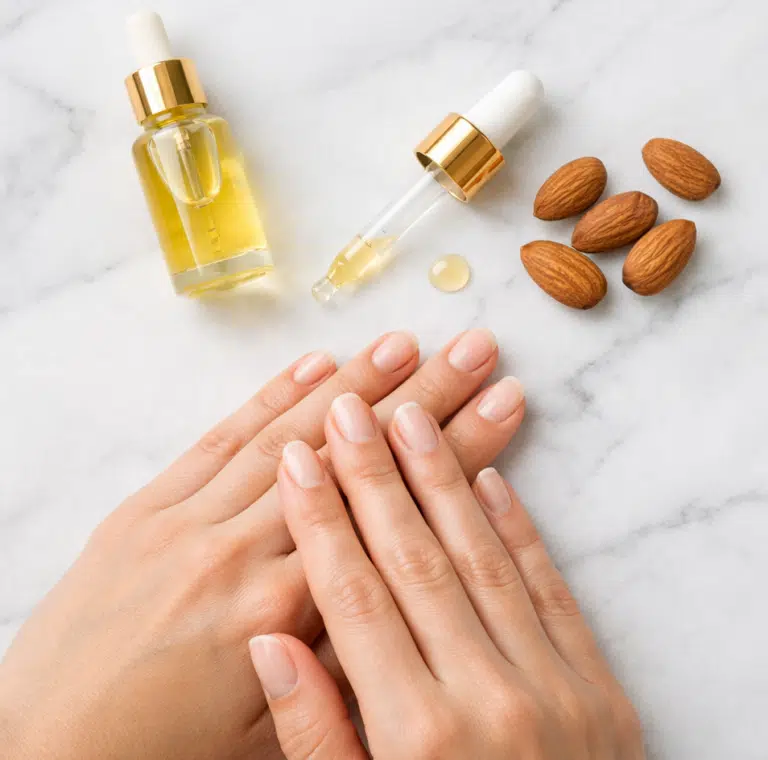
- A classic deficiency of Vitamin H results in fragile, splitting nails.
- Lipner & Scher (2017) found oral biotin improved nail hardness and thickness in clinical studies.
Dry or Flaky Skin
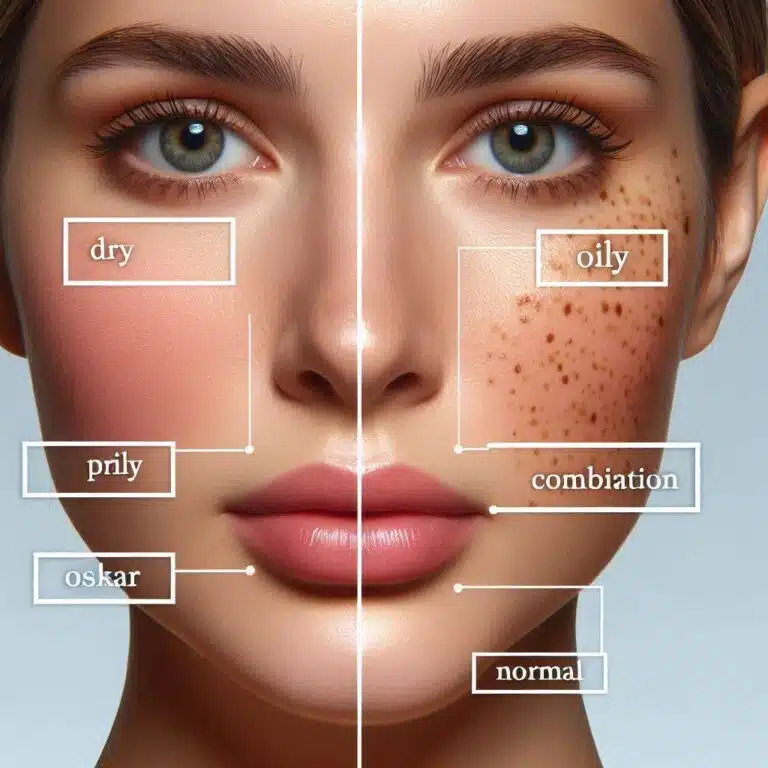
- Biotin deficiency face often appears as dryness, dullness, or a rough texture.
- Some people develop red or scaly patches around the eyes, nose, and mouth — similar to dermatitis.
- While we can’t display biotin deficiency rash pictures, these are common documented symptoms.
Fatigue and Low Energy
- Biotin is essential for converting food into glucose.
- Deficiency can slow metabolism, causing persistent tiredness and poor concentration.
Mood Swings or Depression
- Low biotin may affect neurotransmitter activity, leading to irritability, mood changes, or mild depression.
Muscle Pain and Weakness
- Low energy at the cellular level may result in muscle fatigue or cramps.
Neurological Symptoms (Severe Deficiency)
- In long-term or genetic cases, biotin deficiency neurological symptoms may include:
- Tingling or numbness in hands and feet
- Balance or coordination problems
- Seizures (in severe genetic deficiency)
Wolf (2004) reported patients with biotinidase deficiency showed major neurological improvement after biotin therapy.
(PubMed 14754524)
Skin Rashes or Inflammation Around Mouth and Eyes
- This condition can worsen if the deficiency persists and is often one of the first visible biotin deficiency signs you might not be getting enough.
Together, these symptoms show how wide-ranging biotin deficiency results in effects throughout your body — from appearance to energy and brain function.
Who Is Most at Risk for Vitamin B7 Deficiency Diseases?
While biotin deficiency is uncommon in healthy individuals, certain groups face a higher likelihood of developing vitamin B7 deficiency diseases due to their body’s increased demand, absorption issues, or lifestyle factors. Understanding these risk groups can help answer an important question: how do you know if you have a biotin deficiency—by highlighting early signs that suggest you might not be getting enough before symptoms worsen.
🧬 1. People with Impaired Nutrient Absorption
Individuals with gastrointestinal disorders (such as inflammatory bowel disease, short bowel syndrome, or celiac disease) are unable to efficiently absorb nutrients — including biotin.
This malabsorption can contribute to biotin deficiency symptoms in adults such as chronic fatigue, dry skin, or brittle nails.
🤰 2. Pregnant or Breastfeeding Women
During pregnancy and lactation, the demand for biotin rises significantly.
A 2018 study published in The American Journal of Clinical Nutrition found that up to 50% of pregnant women experience mild biotin deficiency, even when their diet meets standard requirements.
This deficiency may lead to biotin deficiency face issues like rashes or dullness.
💊 3. Long-Term Medication Users
Certain drugs — including antibiotics, anticonvulsants, and isotretinoin (used for acne) — can interfere with biotin absorption or metabolism.
As a result, these individuals may slowly develop biotin deficiency neurological symptoms such as numbness, tingling, or weakness.
🍳 4. People Who Eat Raw Egg Whites Regularly
Raw egg whites contain avidin, a protein that binds to biotin and prevents its absorption.
Athletes or people following extreme high-protein diets may unknowingly trigger deficiency of vitamin H results in symptoms like skin inflammation or hair thinning.
🧓 5. Older Adults
With age, the body’s ability to absorb nutrients decreases.
Seniors are at higher risk of biotin deficiency results in weak nails, slow wound healing, and fatigue, especially if their diet lacks variety.
🚬 6. Smokers and Heavy Drinkers
Nicotine and alcohol both deplete biotin levels and reduce liver function efficiency.
Over time, this can lead to biotin deficiency symptoms including pale or dry skin and low energy levels.
🧠 7. Individuals with Genetic Enzyme Disorders
Rare metabolic conditions like biotinidase deficiency prevent the body from recycling biotin.
Such individuals are prone to biotin deficiency neurological symptoms, developmental delays, and dermatitis if not treated early.
🔍 Research Insight (2018):
According to a 2018 review in Nutrients Journal, populations with poor gut health, pregnant women, and those on anticonvulsant therapy show a measurable decline in serum biotin levels — confirming that biotin deficiency: signs you might not be getting enough are most pronounced in these groups.
Biotin Deficiency Symptoms: How to Recognize the Warning Signs
When your body isn’t getting enough biotin, it starts showing subtle but important warning signs. These biotin deficiency symptoms in adults can affect your skin, hair, nails, and even the nervous system. Recognizing them early helps you take steps to cure biotin deficiency before it worsens.
💇♀️ 1. Hair Thinning and Slow Growth
One of the earliest biotin deficiency symptoms in hair is thinning — especially around the crown and scalp edges.
You may also notice slower regrowth after shedding. Although biotin alone doesn’t cause hair loss, insufficient levels weaken the keratin infrastructure that supports healthy strands.
💅 2. Brittle or Peeling Nails
Weak, splitting nails are one of the most visible biotin deficiency: signs you might not be getting enough.
Studies show that biotin supplementation can improve nail strength and thickness in those with deficiency-related brittleness. This symptom is often one of the first to respond positively to treatment.
🌿 3. Skin Problems and Facial Rashes
Biotin plays a vital role in maintaining healthy skin. When levels drop, the result may include biotin deficiency face problems — dryness, flakiness, or an acne-like rash around the eyes, nose, and mouth.
In severe cases, biotin deficiency rash pictures show red, scaly patches that resemble eczema.
Related Read:
👉 Methods on How to Take Care of the Skin and Eradicate Skin Issues
Discover simple, affordable ways to calm irritated skin, reduce acne, and rebuild your natural skin barrier — even if you’re struggling with dryness or breakouts caused by vitamin imbalance.
🧠 4. Neurological Changes
Low biotin levels can affect nerve function, leading to biotin deficiency neurological symptoms such as:
- Tingling or numbness in hands and feet
- Muscle pain or weakness
- Difficulty concentrating or mood swings
These symptoms occur because biotin is essential for nerve signal transmission and energy production in brain cells.
Related Read:
👉 The Role of Exercise in Stress Management
Learn how regular exercise helps reduce stress hormones, boost mood, and enhance brain health — complementing your efforts to restore balance if you’re struggling with fatigue or nutrient deficiencies.
😴 5. Chronic Fatigue and Low Energy
Biotin helps convert carbohydrates, fats, and proteins into usable energy.
When deficiency occurs, the body struggles to maintain energy levels — resulting in constant tiredness, poor focus, or reduced motivation.
Related Read:
👉 Mindfulness and Stress Reduction: Relax and Refocus
Discover how mindfulness can help you manage stress, improve focus, and support better nutrient absorption — an essential part of maintaining overall health and energy levels.
👶 6. In Infants: Developmental Delays
Although rare, vitamin B7 deficiency diseases in infants can cause delayed motor development and seizures due to their higher metabolic needs. This emphasizes why adequate biotin is crucial from birth.
🔬 Research Insight
A 2018 review published in Nutrients Journal found that biotin deficiency can lead to visible symptoms like dermatitis, alopecia, and neurological impairment in both adults and children.
The study emphasized early recognition of biotin deficiency signs you might not be getting enough to prevent long-term consequences.
How to Cure Biotin Deficiency Naturally and Effectively
If you’ve noticed biotin deficiency symptoms such as weak nails, dull skin, or low energy, the good news is that the deficiency can often be corrected naturally. The key is identifying the cause, improving dietary intake, and supporting overall absorption.
Here’s how to cure biotin deficiency safely and effectively:
🥦 1. Add Biotin-Rich Foods to Your Diet
Your first step should always be through food. Include natural sources that restore vitamin B7 levels:
- Eggs (cooked, not raw, to avoid avidin interference)
- Salmon and sardines
- Almonds, walnuts, and sunflower seeds
- Sweet potatoes and spinach
- Whole grains and mushrooms
A balanced diet helps prevent biotin deficiency results in symptoms like brittle nails or tiredness.
💊 2. Consider Biotin Supplements (With Guidance)
If dietary changes aren’t enough, your healthcare provider may recommend biotin tablets or vitamin B complex supplements.
Most adults take 30–100 mcg daily, though doses may vary based on deficiency levels.
⚠️ Important:
Always consult a doctor before starting supplements, especially if you’re pregnant or taking other medications.
Overuse may lead to mild biotin side effects for females, such as digestive upset or skin breakouts.
💧 3. Improve Gut Health for Better Absorption
Healthy gut bacteria naturally produce biotin. To support absorption:
- Eat probiotic foods like yogurt and kefir
- Limit processed sugars and antibiotics where possible
- Stay hydrated
These habits help prevent biotin deficiency: signs you might not be getting enough due to poor nutrient uptake.
🚭 4. Avoid Habits That Deplete Biotin
Certain habits can lower your biotin levels even if your diet is healthy:
- Excess alcohol intake
- Smoking (which speeds up biotin breakdown)
- High consumption of raw egg whites
Avoiding these helps maintain healthy biotin levels and reduce risk of vitamin B7 deficiency diseases.
🧬 5. Address Underlying Medical Conditions
If you have a metabolic disorder, celiac disease, or use long-term medication, your doctor may monitor your biotin levels regularly.
In such cases, deficiency of vitamin H results in more persistent symptoms — and medical supervision ensures proper dosage and long-term safety.
🧠 6. Combine Biotin with Other Nutrients
Biotin works best alongside zinc, vitamin E, and B12 for healthy hair, skin, and nervous function.
This synergy enhances results and prevents recurrence of biotin deficiency symptoms in adults.
🔍 Research Insight
A 2018 clinical study published in the Journal of Clinical & Aesthetic Dermatology found that biotin supplementation improved nail thickness by 25% and reduced brittleness in 91% of participants after consistent use for 6 months.
This research reinforces how addressing biotin deficiency, signs you might not be getting enough through diet and supplementation, can visibly restore strength and vitality.
Potential Side Effects and Myths About Biotin Supplements
While biotin is generally safe and water-soluble — meaning excess amounts are excreted in urine — some people still experience mild reactions or misunderstand its effects. Understanding the biotin tablets side effect risks and separating myths from facts can help you take it responsibly.
1. Mild Skin Breakouts
One of the most common biotin side effects reported, especially by women, is mild acne or breakouts — often around the jawline or cheeks. You might hear people ask, “Does biotin make your skin break out?” or “Can biotin cause pimples?” The truth is, biotin doesn’t directly cause acne for everyone, but it can sometimes trigger breakouts when taken in high doses. This happens because excess biotin may interfere with vitamin B5, which helps keep your skin clear and balanced. If you start noticing biotin-related acne, simply lowering your dose or adding a vitamin B5 supplement can help calm things down.
2. Possible Interference with Lab Tests
High doses of biotin can interfere with certain blood tests, especially thyroid, hormone, or cardiac enzyme readings.
Always inform your doctor if you’re taking biotin tablets before getting tested to avoid false results.
3. Myth: Biotin Supplements Cause Weight Gain
There’s a common misconception that biotin supplements cause weight gain, but research does not support this claim.
Biotin helps convert food into energy. It doesn’t add calories or store fat. However, increased appetite or muscle gain from better energy use may be misinterpreted as weight gain.
4. Myth: Biotin Is Only for Hair Growth
Although widely promoted for hair, biotin supports much more, including nail strength, skin repair, and nervous system health.
Limiting its benefits to hair alone overlooks its essential role in metabolism and vitamin B7 deficiency diseases.
5. Biotin Tablets Age Limit
Most adults can safely take biotin supplements, but children should only use them under medical supervision.
Typical guidelines recommend:
- Children (under 10 years): Only if prescribed by a doctor
- Teens & adults: 30–100 mcg daily
- Pregnant women: May require slightly higher doses as advised by a healthcare provider
Following age-appropriate dosage helps avoid unnecessary side effects while treating biotin deficiency symptoms in adults effectively.
6. When to Seek Medical Advice
If you notice unusual fatigue, skin irritation, or digestive discomfort while taking biotin, stop supplementation and consult your doctor.
In rare cases, biotin tablet side effects reactions could indicate overuse or an underlying absorption issue.
🧾Research Insight
A 2018 review published in Dermato-Endocrinology concluded that biotin supplementation is safe for most individuals but should be used under clinical guidance to avoid testing interference and maintain balance with other B vitamins.
The study reinforced that biotin deficiency: signs you might not be getting enough can be safely corrected through balanced supplementation — not excessive dosing.
If you’re curious about how biotin affects your skin and want to understand why some people experience breakouts, check out our detailed guide:
👉 Biotin Side Effects: Does Biotin Cause Acne & Breakouts?
It explains the science behind biotin side effects for females, common triggers, and safe ways to manage acne while using supplements — a must-read before starting your biotin routine!
Conclusion: Why Recognizing Biotin Deficiency Early Matters
Recognizing biotin deficiency early is important — your body gives subtle warnings for a reason. Brittle nails, dry or flaky skin, thinning hair, and constant fatigue are all signs that your cells may not be getting enough vitamin B7.
While some people wonder, “Does biotin cause acne?” or “Can biotin make you break out?”, the truth is that a lack of biotin is more likely to leave your skin dull, dry, or irritated. In rare cases, taking high doses of biotin supplements can lead to mild breakouts or biotin acne, but this usually happens when excess biotin interferes with other B vitamins, such as vitamin B5 — not because biotin itself is harmful.
The key is balance. Focus on a diet rich in biotin-containing foods, support your gut health, and use supplements wisely under professional guidance. When taken correctly, biotin strengthens your hair, nails, and skin — rather than causing pimples or breakouts.
By identifying biotin deficiency symptoms early and taking simple preventive steps, you can restore your body’s natural vitality. Remember, good health isn’t about taking more vitamins; it’s about giving your body exactly what it needs, at the right time.
Remember, health isn’t about taking more vitamins; it’s about knowing what your body truly needs. Recognizing these biotin deficiency signs early helps you act before small issues become long-term problems.
Frequently Asked Questions (FAQs)
1. What causes biotin deficiency?
Biotin deficiency can occur due to several factors, including poor diet, prolonged antibiotic use, digestive disorders (like celiac disease), pregnancy, and excessive alcohol intake.
In rare cases, genetic enzyme disorders prevent proper biotin absorption or recycling, leading to vitamin B7 deficiency diseases.
2. What are the common biotin deficiency symptoms in adults?
Adults may experience brittle nails, hair thinning, skin rashes, fatigue, and even mild biotin deficiency, neurological symptoms such as tingling or weakness. These warning signs usually improve once biotin levels are restored.
3. How does biotin deficiency affect the face and skin?
Low biotin levels can lead to biotin deficiency face symptoms like dryness, flakiness, or an acne-like rash around the mouth, nose, or eyes. In severe cases, biotin deficiency rash pictures show red, scaly patches that reneursemble dermatitis.
4. How can I cure biotin deficiency naturally?
You can cure biotin deficiency by:
- Eating biotin-rich foods such as eggs, nuts, fish, and sweet potatoes
- Taking biotin tablets under medical advice
- Supporting gut health with probiotics
- Avoiding alcohol and smoking
These steps help reverse biotin deficiency: signs you might not be getting enough
5. Does biotin deficiency result in permanent damage?
Usually not. Mild biotin deficiency results in temporary symptoms like tiredness or brittle nails, which are reversible. However, long-term untreated deficiency may affect the nervous system and skin health.
6. What are the side effects of biotin tablets?
Most people tolerate biotin well, but biotin tablets side effect complaints may include mild acne, nausea, or interference with lab test results. Always take supplements in moderation and consult your doctor before use.
7. Can biotin supplements cause weight gain?
No, biotin supplements cause weight gain is a myth. Biotin helps convert food into energy — it doesn’t store fat. Improved energy levels might increase appetite or muscle tone, which can be mistaken for weight gain.
8. What is the safe age limit for taking biotin tablets?
There’s no strict biotin tablets age limit, but supplementation should match age and health needs:
- Children: only under medical guidance
- Adults: typically 30–100 mcg daily
- Pregnant women: slightly higher doses if prescribed
9. What happens when there is a deficiency of Vitamin H?
Deficiency of Vitamin H results in skin inflammation, brittle nails, thinning hair, and in rare cases, neurological changes. Since Vitamin H is another name for biotin, these symptoms reflect the same underlying nutrient shortage.
10. Are there visible signs that I might not be getting enough biotin?
Yes. If you notice brittle nails, dull skin, or constant fatigue, these are clear biotin deficiency: signs you might not be getting enough. Early detection and dietary improvement can restore healthy skin, hair, and energy levels quickly.
11. Is the belief that “biotin causes acne” true or just a myth?
It’s partly true. Biotin doesn’t directly cause acne for most people, but when taken in very high doses or without balancing other B vitamins, it can indirectly trigger breakouts. For the majority, biotin supports healthy skin, hair, and nails — as long as it’s taken in the right amount.
👉 Biotin for Hair Growth: Does It Really Work?
Discover what research says about biotin’s effectiveness for hair growth, how long it takes to see results, and the real factors that influence hair health.