
AHA vs BHA vs Azelaic Acid: Which Is Right for You?
AHA vs BHA vs azelaic acid isn’t just about picking the trendiest ingredient; it’s about matching the right acid to your specific skin concerns and type.
Walking into the skincare aisle or browsing online, you’ve likely encountered products labeled with AHA, BHA, or azelaic acid. These three letter combinations promise clearer, brighter, smoother skin, but understanding the difference between AHA and BHA and azelaic acid can feel overwhelming.
This comprehensive guide breaks down exactly how each acid works, which skin concerns they address best, and how to determine which is right for you. Whether you’re battling stubborn acne, fighting hyperpigmentation, addressing signs of aging, or dealing with sensitive skin, understanding AHA vs BHA vs azelaic acid helps you make informed decisions.

Understanding the Three Acid Categories
Before diving into the AHA vs BHA vs azelaic acid debate, you need to understand what each category actually is.
What Are AHAs (Alpha Hydroxy Acids)?
Alpha hydroxy acids are water-soluble acids derived from natural sources like fruits, milk, and sugar cane. The most common AHAs you’ll encounter include glycolic acid (from sugar cane), lactic acid (from milk), mandelic acid (from almonds), and citric acid (from citrus fruits). These acids work primarily on the skin’s surface, breaking down the bonds between dead skin cells to reveal fresher skin underneath.
AHAs are beloved for their ability to improve skin texture, reduce fine lines, and brighten dull complexions.
Glycolic acid is the most researched and widely used AHA due to its small molecular size, which allows deeper penetration compared to other AHAs. According to the American Academy of Dermatology, AHAs are particularly effective for sun-damaged and aging skin.
The water-soluble nature of AHAs means they work best on the skin’s surface layers rather than penetrating into pores. This makes them ideal for addressing surface-level concerns like texture, tone, and fine lines. For a comprehensive breakdown of how glycolic acid specifically works and what concentrations to use, check our complete glycolic acid guide.
What Are BHAs (Beta Hydroxy Acids)?
Beta hydroxy acids are oil-soluble acids, with salicylic acid being the primary (and essentially only) BHA used in skincare. This oil solubility is the critical factor that sets BHAs apart in the AHA vs BHA vs azelaic acid comparison. Because salicylic acid can penetrate through sebum, it travels deep into pores to dissolve the oil and debris that cause blackheads, whiteheads, and inflammatory acne.
Research published in Dermatologic Therapy shows that salicylic acid at 2% concentration effectively reduces acne lesions while calming redness and irritation. This dual action makes it particularly valuable for acne-prone and oily skin types.
What Is Azelaic Acid?
Azelaic acid stands alone in the AHA vs BHA vs azelaic acid discussion because it’s neither an alpha nor beta hydroxy acid. It’s classified as a dicarboxylic acid, a completely different chemical structure that gives it unique multi-functional properties. This acid occurs naturally in grains like wheat, rye, and barley, though skincare formulations use lab-synthesized versions for consistency and purity.
It inhibits tyrosinase (the enzyme responsible for melanin production), kills acne-causing bacteria, reduces inflammation, normalizes keratinization (preventing clogged pores), and acts as an antioxidant. According to the Mayo Clinic, azelaic acid is FDA-approved for treating acne and rosacea at prescription strengths.
Azelaic acid is water-soluble like AHAs but works differently, targeting the processes that cause hyperpigmentation and acne rather than just exfoliating. It’s suitable for all skin types, including sensitive skin and rosacea-prone complexions that can’t tolerate traditional AHAs or BHAs.
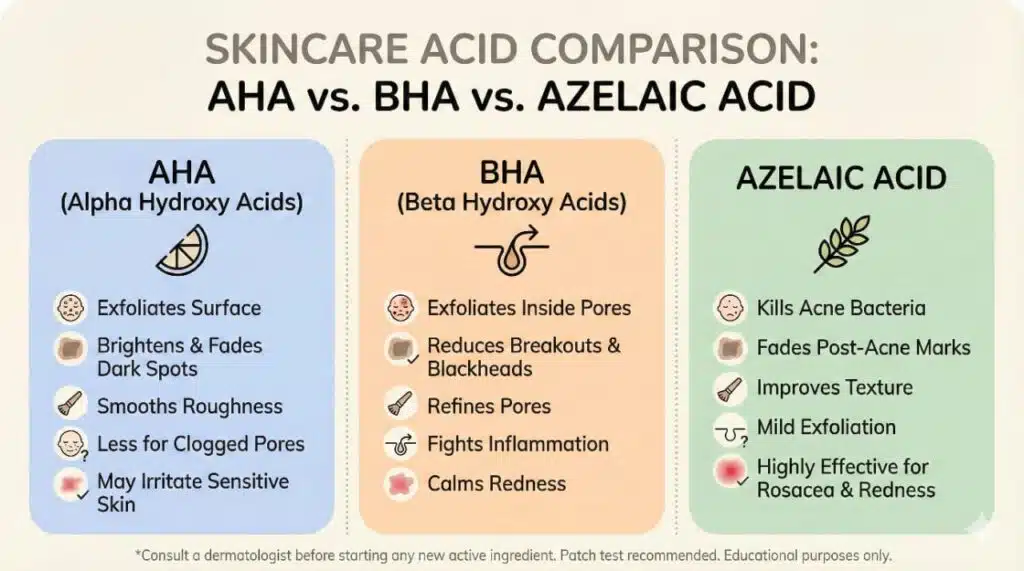
Quick Visual Comparison: AHA vs BHA vs Azelaic Acid Basics
| Feature | AHA | BHA | Azelaic Acid |
| Chemical Class | Alpha Hydroxy Acid | Beta Hydroxy Acid | Dicarboxylic Acid |
| Solubility | Water-soluble | Oil-soluble | Water-soluble |
| Penetration Depth | Surface layers | Deep into pores | Mid-level (epidermis) |
| Primary Action | Exfoliation | Pore decongestion | Multi-functional |
| pH Range | 3.0-4.0 | 3.0-4.0 | 4.0-5.0 |
| Best For | Dry, aging, sun-damaged skin | Oily, acne-prone skin | All skin types, especially sensitive |
| Main Examples | Glycolic, lactic, mandelic | Salicylic acid | Azelaic acid (standalone) |
| Photosensitivity | High (daily SPF required) | Moderate (daily SPF required) | Low-moderate (daily SPF recommended) |
Understanding these fundamental differences in the AHA vs BHA vs azelaic acid comparison helps you choose the right acid for your specific needs.
How AHA vs BHA vs Azelaic Acid Work: The Science Behind Each
Understanding how each acid works at the molecular level explains why AHA vs BHA vs azelaic acid produce such different results. This knowledge empowers you to choose the right acid and set realistic expectations for results.
How AHAs Work: Surface Exfoliation and Collagen Stimulation
Alpha hydroxy acids work by loosening the “glue” (desmosomes) that holds dead skin cells together on your skin’s surface. When you apply an AHA like glycolic or lactic acid, it weakens these bonds through a process called desmosome degradation. This allows dead cells to shed naturally, revealing the fresh, healthy skin cells underneath that give you that coveted glow.
But AHAs do more than just exfoliate. Research from the Journal of the American Academy of Dermatology shows that glycolic acid penetrates the dermis to stimulate collagen and elastin production. This is why AHAs are effective for anti-aging, they don’t just make your skin look better temporarily by removing dead cells, they actually improve skin structure over time by promoting new collagen formation.
AHAs also help your skin retain moisture. This dual action of exfoliation plus hydration makes them particularly effective for dry, mature, or sun-damaged skin. The increased cell turnover rate (from 28-45 days down to 21-28 days) means newer, more vibrant skin cells reach the surface faster, giving you consistent brightness and smoother texture.
The most common AHA for skin texture improvement is glycolic acid due to its smallest molecular size (allowing deepest penetration), while lactic acid is gentler and better for sensitive or dehydrated skin types.
How BHAs Work: Deep Pore Penetration and Oil Dissolution
Beta hydroxy acids, specifically salicylic acid, work completely differently because of their oil-soluble nature. Instead of working on the surface like AHAs, BHA for acne prone skin travels through your skin’s natural oils (sebum) to penetrate deep inside your pores. Once inside, salicylic acid breaks down the mixture of dead skin cells, bacteria, and excess oil that causes blackheads, whiteheads, and inflammatory acne.
Salicylic acid is also keratolytic, meaning it breaks down keratin protein that clogs pores. The acid literally dissolves the plugs blocking your pores while simultaneously calming the redness and irritation around breakouts.
BHAs also have mild antibacterial properties against C. acnes bacteria, though this isn’t their primary mechanism. The real magic happens in how they normalize the hyperkeratinization that leads to clogged pores in the first place. By regulating how quickly skin cells are produced and shed inside pores, salicylic acid prevents future breakouts rather than just treating existing ones.
BHA cuts through oil, dissolves clogs, and keeps things flowing smoothly. This is why salicylic acid vs glycolic acid debates usually conclude that BHA wins for oily, acne-prone skin while AHA wins for dry, aging skin. The oil-soluble vs water-soluble distinction is the deciding factor.
How Azelaic Acid Works: Multi-Targeted Comprehensive Approach
Azelaic acid stands apart in the AHA vs BHA vs azelaic acid comparison because it works through multiple distinct mechanisms simultaneously. This multi-functional approach is why dermatologists often call it a “Swiss Army knife” ingredient that addresses several concerns at once, something neither AHAs nor BHAs can claim.
Mechanism 1: Melanin Inhibition Azelaic acid inhibits tyrosinase, the enzyme responsible for producing melanin (skin pigment). By blocking this enzyme, it prevents the formation of new dark spots and gradually fades existing hyperpigmentation. Research in the British Journal of Dermatology shows azelaic acid is as effective as 4% hydroquinone for melasma treatment, but without the safety concerns.
Mechanism 2: Antibacterial Action Unlike AHAs which don’t directly kill bacteria, azelaic acid has proven antibacterial effects against Cutibacterium acnes (formerly P. acnes), the bacteria responsible for inflammatory acne. It disrupts bacterial protein synthesis, reducing the bacterial load in follicles without contributing to antibiotic resistance, a growing concern with traditional acne antibiotics.
Mechanism 3: Anti-Inflammatory Effects Azelaic acid reduces inflammation by decreasing the production of reactive oxygen species and inflammatory mediators. This is particularly valuable for rosacea patients, which is why the FDA approved prescription azelaic acid (15% Finacea) specifically for rosacea treatment. The National Rosacea Society lists azelaic acid as a first-line topical treatment.
Mechanism 4: Normalization of Keratinization Like BHAs, azelaic acid normalizes the keratinization process, preventing the buildup of dead skin cells that clog pores. However, it does this through a different pathway than salicylic acid, making it effective even for people who don’t respond well to traditional BHAs.
Mechanism 5: Antioxidant Properties Azelaic acid scavenges free radicals, protecting skin from oxidative stress. This antioxidant action complements its other benefits, particularly for preventing post-inflammatory hyperpigmentation after acne heals.
Think of azelaic acid for hyperpigmentation and acne as a comprehensive treatment that doesn’t just address symptoms but targets the underlying processes causing your skin concerns. Our azelaic acid deep dive explores each of these mechanisms in greater detail with supporting research.
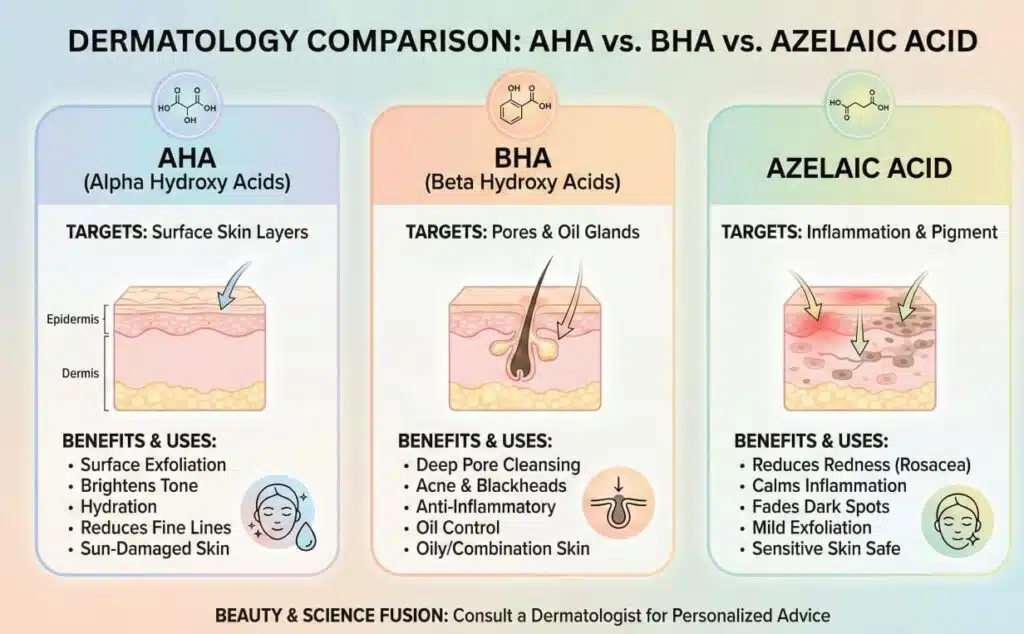
Visual Comparison: Mechanism of Action
| Acid Type | Primary Mechanism | Secondary Benefits | Works Best On | Timeline for Results |
| AHA | Breaks desmosome bonds, exfoliates surface | Collagen stimulation, hydration | Skin surface and upper epidermis | 2-4 weeks for brightness, 8-12 weeks for texture |
| BHA | Penetrates pores, dissolves oil/debris | Anti-inflammatory, antibacterial | Inside pores and follicles | 4-6 weeks for blackheads, 6-8 weeks for acne |
| Azelaic Acid | Inhibits tyrosinase, kills bacteria, reduces inflammation | Normalizes keratinization, antioxidant | Multiple skin layers, comprehensive | 4-8 weeks for acne, 8-12 weeks for hyperpigmentation |
This AHA BHA azelaic acid mechanism comparison shows why choosing the right acid depends on where your skin concern originates.
Why Molecular Size Matters in the AHA vs BHA vs Azelaic Acid Debate
Molecular Size Directly Impacts Penetration Depth:
- Glycolic acid (76 daltons) has the smallest molecular weight among AHAs, allowing it to penetrate deepest into skin layers and work most aggressively on texture and collagen stimulation.
- Lactic acid (90 daltons) is slightly larger, making it gentler and slower-penetrating, which is why it causes less irritation while still providing effective exfoliation.
- Mandelic acid (152 daltons) has an even larger molecular structure, making it the gentlest AHA option perfect for sensitive skin that can’t tolerate glycolic acid.
BHA Penetration Depends on Solubility, Not Just Size:
- Salicylic acid (138 daltons) has a mid-range molecular size, but its oil solubility is what matters most for penetration into sebaceous follicles.
- The oil-soluble nature allows it to bypass the water-based surface layer and dive directly into oil-filled pores, regardless of molecular weight.
- This is why BHA for oily skin works better than smaller AHAs for blackheads and deep pore congestion, the mechanism trumps size.
Azelaic Acid’s Larger Size Contributes to Tolerability:
- Azelaic acid (188 daltons) has the largest molecular structure in the AHA vs BHA vs azelaic acid comparison, resulting in slower, more gradual penetration.
- This larger size means it works in the epidermis without penetrating too aggressively, which explains its excellent safety profile even at 15-20% concentrations.
- According to Paula’s Choice Ingredient Research, this balanced molecular size allows azelaic acid to be effective without the irritation risk of smaller molecules.
How Size Determines Which Concerns Each Acid Addresses:
- Small molecules (glycolic acid): Best for surface concerns like fine lines, texture, dullness, and sun damage where deep penetration accelerates results.
- Mid-size oil-soluble (salicylic acid): Ideal for concerns originating inside pores like blackheads, whiteheads, and inflammatory acne where oil-cutting ability matters more than size.
- Larger molecules (azelaic acid, mandelic acid): Perfect for sensitive skin, rosacea, and conditions requiring gentle but comprehensive action across multiple skin layers.
Matching Molecular Size to Your Skin’s Tolerance:
- Sensitive or compromised skin barriers benefit from larger molecules (mandelic acid, azelaic acid) that penetrate slowly and cause minimal disruption.
- Resilient, thick skin can handle smaller molecules (glycolic acid) that penetrate quickly and work aggressively to produce faster visible results.
- Understanding molecular size helps explain why glycolic acid vs azelaic acid for sensitive skin always favors azelaic acid despite glycolic being more potent.
The Concentration and pH Factor:
- Smaller molecules need lower concentrations to be effective (5-10% glycolic acid) because they penetrate so efficiently.
- Larger molecules can be used at higher concentrations safely (15-20% azelaic acid) without overwhelming the skin.
- The pH of formulation also matters: lower pH (3.0-3.5) increases penetration of any molecule, while higher pH (4.0-5.0) slows it down, which is why azelaic acid formulations typically have higher pH for better tolerance.
AHA vs BHA vs Azelaic Acid: Choosing by Your Skin Concern

This section breaks down exactly which is better AHA or BHA for acne, brightening, aging, and other common concerns based on how each acid works.
For Acne-Prone Skin: BHA Takes the Lead
When determining the best acid for acne prone skin, BHA (salicylic acid) consistently outperforms the other options for active breakouts. Its oil-soluble nature allows it to penetrate sebaceous follicles and dissolve the mixture of oil, dead skin cells, and bacteria causing inflammatory acne.
Azelaic acid comes in as a strong second choice for acne because it kills C. acnes bacteria directly while reducing inflammation. Research published in Dermatologic Therapy shows that 20% azelaic acid performs comparably to 5% benzoyl peroxide for inflammatory acne, but with better tolerability. The advantage of azelaic acid for hyperpigmentation and acne is that it treats both the active breakouts and the dark marks they leave behind simultaneously.
AHAs rank third for acne-prone skin because they work primarily on the surface and don’t penetrate pores like BHA. However, glycolic acid can help prevent future breakouts by keeping dead skin cells from accumulating on the surface.
Best Strategy for Acne:
- Active inflammatory acne: Start with 2% salicylic acid (BHA)
- Acne + hyperpigmentation: Use BHA morning, azelaic acid evening
- Sensitive acne-prone skin: Choose azelaic acid as primary treatment
- Post-acne texture: Add glycolic acid (AHA) 2-3x weekly once acne is controlled
For Closed Comedones and Blackheads: BHA Is Essential
If you’re wondering which acid for closed comedones works best, BHA is the definitive answer. Closed comedones (those small flesh-colored bumps) and blackheads form when pores become clogged with sebum and dead skin cells. The Cleveland Clinic specifically recommends salicylic acid for comedonal acne because it’s the only acid that can penetrate through oil to dissolve these plugs from within.
For stubborn acid for large pores and blackheads, the winning combination is consistent BHA use (3-4 times weekly) to keep pores clear, plus occasional AHA use to refine surface texture. Azelaic acid maintains results and prevents new clogs from forming through its keratinization-normalizing effects.
Best Strategy for Comedones & Blackheads:
- Primary treatment: 2% salicylic acid (BHA) 3-4x weekly
- Maintenance: Azelaic acid daily to prevent recurrence
- Surface refinement: Glycolic acid (AHA) 1-2x weekly
- Stubborn cases: Layer BHA, wait 10 minutes, then apply azelaic acid
For Hyperpigmentation, Dark Spots & Melasma: Azelaic Acid Wins
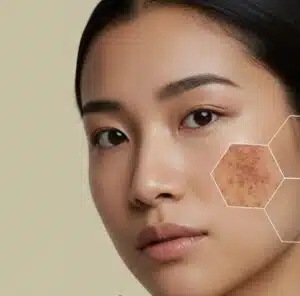
The debate of azelaic acid vs AHA for hyperpigmentation clearly favors azelaic acid for melanin-related concerns. Azelaic acid directly inhibits tyrosinase, the enzyme that produces melanin, making it a targeted brightening treatment. Studies in the British Journal of Dermatology show 20% azelaic acid is as effective as 4% hydroquinone for melasma, but without the safety concerns or rebound hyperpigmentation risk.
AHAs, particularly glycolic acid, help fade dark spots through accelerated cell turnover. By speeding up the rate at which pigmented cells shed, AHAs gradually lighten hyperpigmentation over 8-12 weeks.
BHA has minimal effect on pigmentation. While it can help prevent post-inflammatory hyperpigmentation from acne by reducing inflammation, it doesn’t actively fade existing dark spots.
Best Strategy for Hyperpigmentation:
- Melasma: 15-20% azelaic acid twice daily (prescription strength)
- Post-acne marks: Azelaic acid evening + glycolic acid 2-3x weekly
- Sun damage/age spots: Start with azelaic acid, add AHA after 4 weeks
- Maintenance: Azelaic acid morning + AHA evening (alternate with retinol if using)
For a detailed comparison of how azelaic acid stacks up against other powerful brightening acids like kojic and glycolic, check our comprehensive guide: Azelaic vs Kojic vs Glycolic Acid: Complete Brightening Comparison.
For Anti-Aging, Fine Lines & Wrinkles: AHA Leads the Pack
When considering what acid is best for aging skin, AHAs (particularly glycolic and lactic acid) are the gold standard backed by decades of research. The anti aging acid comparison consistently shows that AHAs stimulate collagen production in the dermis while improving surface texture through exfoliation. Research from the Journal of Cosmetic Dermatology demonstrates that 8-12% glycolic acid used consistently for 12 weeks significantly reduces fine lines and improves skin firmness.
AHAs work for anti-aging through multiple pathways: they increase cell turnover (revealing fresher skin), stimulate fibroblasts to produce collagen and elastin, improve skin hydration by acting as humectants, and reduce the appearance of photoaging (sun damage). Glycolic acid’s small molecular size allows it to penetrate deeply enough to reach the dermis where collagen production occurs.
Best Strategy for Anti-Aging:
- Primary treatment: 8-10% glycolic acid nightly (or alternate with retinol)
- Sensitive/dry mature skin: 8% lactic acid (gentler AHA)
- Pore refinement: Add 2% BHA 2x weekly
- Age spot prevention: Layer azelaic acid in morning under SPF
For Rosacea & Sensitive Skin: Azelaic Acid Is the Clear Choice
If you’re dealing with rosacea or highly reactive skin, the acid for rosacea prone skin that dermatologists recommend is azelaic acid. It’s the only acid FDA-approved specifically for rosacea treatment (15% Finacea gel) because of its unique anti-inflammatory properties.
Traditional AHAs and BHAs can be too irritating for rosacea-prone skin, especially at concentrations needed for efficacy. The exfoliation from AHAs and the penetrating action of BHAs often cause stinging, burning, and increased redness in sensitive individuals. Azelaic acid’s larger molecular size and higher formulation pH (4.0-5.0 vs. 3.0-3.5 for AHAs/BHAs) make it significantly gentler while still providing anti-inflammatory and antibacterial benefits.
For the best exfoliating acid for sensitive skin that still needs gentle exfoliation, mandelic acid (a larger-molecule AHA) is tolerable for some people. However, azelaic acid remains the safest choice because it doesn’t rely on aggressive exfoliation to deliver results.
Best Strategy for Rosacea/Sensitive Skin:
- Rosacea with papules/pustules: 15% prescription azelaic acid twice daily
- Redness-prone: 10% OTC azelaic acid daily, can increase to twice daily
- Gentle exfoliation needed: Start with mandelic acid 1x weekly, monitor response
- Avoid: Glycolic acid, salicylic acid, lactic acid above 5%
For Uneven Texture & Rough Skin: AHA Delivers Results
When addressing the best acid for uneven skin texture, AHAs are unmatched in their ability to smooth and refine. Glycolic acid’s exfoliating power removes the buildup of dead cells that create a rough, bumpy surface texture.
The key to AHAs’ texture-improving effects is their dual action: they break down dead cell buildup on the surface while simultaneously stimulating new collagen in deeper layers. This creates both immediate smoothness (from exfoliation) and long-term improvement (from structural changes). Lactic acid provides similar benefits but is gentler, making it better for texture issues on sensitive or dry skin.
BHA contributes to texture improvement primarily around pores. If your texture issues include enlarged pores or rough patches around the nose and chin, adding BHA to an AHA routine refines these areas. Azelaic acid improves texture by normalizing keratinization, preventing the irregular cell buildup that creates roughness, though its texture benefits are more gradual than AHAs.
Best Strategy for Texture Issues:
- Rough, bumpy texture: 8-10% glycolic acid 5-6x weekly
- Dry skin with texture: 8% lactic acid nightly
- Texture + large pores: Glycolic acid 5x weekly, BHA 2x weekly
- Maintenance: Add azelaic acid to prevent future texture issues
For Oily Skin & Excess Sebum: BHA Controls Oil Production
The BHA vs azelaic acid for oily skin question depends on whether you’re dealing with just oiliness or oiliness plus other concerns. For pure oil control and shine reduction, BHA (salicylic acid) is superior because it penetrates into sebaceous glands and helps regulate oil production. Its oil-soluble nature means it works directly within the oil-filled environment causing your concerns.
Research shows that regular BHA use reduces sebum production over time through its effects on follicular hyperkeratinization. The Journal of Drugs in Dermatology reports that 2% salicylic acid used consistently for 12 weeks significantly reduces sebum levels in oily skin types. BHA also keeps pores clear, preventing the congested appearance that makes oily skin look dull and uneven.
Azelaic acid helps oily skin indirectly by normalizing keratinization and killing bacteria, which prevents the acne that often accompanies excess oil. It doesn’t directly reduce sebum production like BHA, but it addresses the consequences of oiliness effectively. For comprehensive oily skin management, combining BHA (oil control) with azelaic acid (acne prevention and brightening) covers all bases.
Best Strategy for Oily Skin:
- Excess oil/shine: 2% salicylic acid (BHA) daily
- Oily + acne: BHA morning, azelaic acid evening
- Oily + dark spots: BHA 4x weekly, azelaic acid daily
- Avoid: Heavy AHA creams; choose lightweight AHA toners if adding
Quick Reference: Best Acid by Primary Concern
| Skin Concern | 1st Choice | 2nd Choice | 3rd Choice | Combination Strategy |
| Active Acne | BHA (2%) | Azelaic Acid (15-20%) | AHA | BHA AM + Azelaic PM |
| Closed Comedones | BHA (2%) | Azelaic Acid | AHA | BHA 3-4x/week + Azelaic daily |
| Hyperpigmentation | Azelaic Acid (15-20%) | AHA (Glycolic 8%) | BHA | Azelaic 2x daily + AHA 3x/week |
| Melasma | Azelaic Acid (15-20%) | AHA (Glycolic) | N/A | Azelaic 2x daily + AHA 2x/week |
| Fine Lines/Aging | AHA (Glycolic 8-10%) | AHA (Lactic 8%) | Azelaic Acid | AHA nightly + Azelaic AM |
| Rosacea | Azelaic Acid (15%) | Mandelic Acid | Avoid BHA | Azelaic only, add mandelic cautiously |
| Uneven Texture | AHA (Glycolic 8-10%) | AHA (Lactic) | BHA | AHA 5x/week + BHA 2x/week |
| Large Pores | BHA (2%) | Azelaic Acid | AHA | BHA 3-4x/week + AHA 2x/week |
| Oily Skin | BHA (2%) | Azelaic Acid | AHA | BHA daily + Azelaic as needed |
| Sensitive Skin | Azelaic Acid (10%) | Mandelic Acid | Lactic Acid | Azelaic daily, test others carefully |
This comprehensive AHA vs BHA vs azelaic acid guide by concern helps you make evidence-based decisions rather than guessing.
Choosing the Right Acid for Your Skin Type
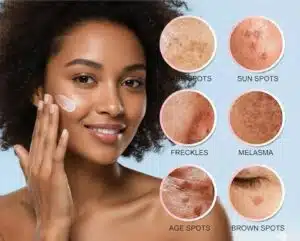
Your skin type determines how you’ll tolerate each acid and which delivery format works best. Understanding can you use AHA and BHA and azelaic acid effectively starts with knowing your skin’s baseline characteristics. While skin concerns guide which acid to choose, your skin type dictates the concentration, frequency, and formulation that will work without causing irritation or adverse reactions.
Oily Skin: BHA as Your Foundation
Oily skin thrives with BHA (salicylic acid) because its oil-soluble nature cuts through excess sebum while preventing clogged pores. Use 2% salicylic acid daily as your primary acid, either as a toner, serum, or lightweight gel. The American Academy of Dermatology recommends BHA for oily skin types due to its pore-penetrating abilities and sebum-regulating effects.
Add azelaic acid if you’re dealing with acne or post-inflammatory hyperpigmentation alongside oiliness. Layer BHA in the morning (it works well under makeup for oil control) and azelaic acid at night. You can incorporate AHAs 2-3 times weekly for additional exfoliation and brightness, but avoid heavy AHA creams that might feel too rich. Stick to lightweight AHA toners or serums with glycolic or mandelic acid.
Oily Skin Protocol:
- Daily: 2% salicylic acid (BHA) morning
- Daily: Azelaic acid 10-15% evening
- 2-3x weekly: Glycolic acid 7-8% (replace evening azelaic on these nights)
- Always: Oil-free, gel-based moisturizer and lightweight mineral SPF
Dry Skin: AHAs for Exfoliation Plus Hydration
Dry skin benefits most from AHAs, particularly lactic acid, which exfoliates while acting as a humectant to draw moisture into skin. Avoid BHA as your primary acid since salicylic acid can be drying and isn’t necessary if you’re not dealing with oily pores. According to Dermstore, lactic acid at 5-8% concentration provides effective exfoliation for dry skin without stripping moisture.
Dry Skin Protocol:
- 3-4x weekly: 5-8% lactic acid evening
- Daily: Azelaic acid 10% in cream formula (if needed for specific concerns)
- Always: Rich moisturizer with ceramides after acids
- Morning: Hydrating cream-based SPF 30+
Combination Skin: Strategic Zone Approach
For the best acid for combination skin, you have two options: use one versatile acid everywhere or apply different acids to different zones. Azelaic acid is the single best choice for combination skin because it works effectively on both oily and dry areas without exacerbating either condition. Its balanced formulation addresses multiple concerns (acne in T-zone, dryness on cheeks) simultaneously.
Alternatively, use the zone approach: apply BHA to your oily T-zone (forehead, nose, chin) where pores tend to be larger and more congested, and use AHA on your drier cheek areas for brightness and smoothness. This targeted strategy addresses each zone’s specific needs. Research in the Journal of Clinical and Aesthetic Dermatology shows that customizing acid application by zone improves results for combination skin types.
Combination Skin Protocol – Option 1 (Single Acid):
- Daily: Azelaic acid 10-15% morning and evening all over face
- 2-3x weekly: Add glycolic acid 7% all over (replace one evening azelaic application)
Combination Skin Protocol – Option 2 (Zone Approach):
- T-zone: 2% salicylic acid (BHA) 4-5x weekly
- Cheeks: 8% lactic or glycolic acid (AHA) 3-4x weekly
- Optional: Azelaic acid all over on alternate days for balance
Sensitive Skin: Azelaic Acid First, Others Cautiously
Sensitive skin requires the gentlest approach, and azelaic acid is universally recommended as the safest starting point. Its larger molecular size, anti-inflammatory properties, and higher formulation pH (typically 4.0-5.0) make it significantly less irritating than traditional AHAs or BHAs. The National Eczema Association notes that azelaic acid is one of the few acids well-tolerated by eczema-prone and reactive skin.
If you need exfoliation beyond what azelaic acid provides, add mandelic acid (the gentlest AHA with largest molecular size) once weekly and monitor your skin’s response carefully.
Sensitive Skin Protocol:
- Daily: Azelaic acid 10% (start every other day, increase to daily over 2 weeks)
- Once weekly: Mandelic acid 5-8% (only after 4+ weeks of tolerating azelaic acid)
- Always: Fragrance-free moisturizer with soothing ingredients (centella, niacinamide)
- Avoid: Glycolic acid, salicylic acid, lactic acid above 5%
Mature/Aging Skin: AHA for Collagen, Azelaic for Prevention
Mature skin benefits from AHA’s proven collagen-stimulating effects. Glycolic acid at 8-10% concentration remains the gold standard for addressing fine lines, wrinkles, and loss of firmness. The Cleveland Clinic reports that consistent glycolic acid use over 12 weeks produces measurable improvements in skin thickness and collagen density in aging skin.
Combine AHA’s anti-aging effects with azelaic acid’s ability to prevent and fade age spots for comprehensive mature skin care. Many aging individuals also develop rosacea or sensitivity, making azelaic acid’s anti-inflammatory properties particularly valuable. Use glycolic acid for structural improvements and azelaic acid for maintaining even tone and preventing new sun damage.
Mature Skin Protocol:
- Evening: 8-10% glycolic acid 5-6x weekly (or alternate nights with retinol)
- Morning: Azelaic acid 10-15% under SPF for age spot prevention
- 2x weekly: Consider adding 2% BHA if enlarged pores are a concern
- Critical: SPF 50+ daily (mineral preferred) to prevent further photoaging
Normal/Balanced Skin: Flexibility to Use All Three
If you’re fortunate enough to have balanced, non-reactive skin, you can experiment with all three acid categories and learn what AHA BHA azelaic acid together can accomplish. Start with one acid for 4-6 weeks to establish tolerance, then add a second, and finally a third if desired. Normal skin tolerates higher concentrations and more frequent application than other skin types.
Use this flexibility to target multiple concerns: AHA for prevention of aging and texture maintenance, BHA for occasional pore refinement, and azelaic acid for overall skin health and brightness. Rotate acids based on seasonal needs (more AHA in winter for dryness, more BHA in summer for oil control).
Normal Skin Protocol:
- Foundation: Choose based on primary concern (AHA for aging, BHA for pores, azelaic for brightening)
- Add second acid: After 6 weeks, introduce complementary acid 2-3x weekly
- Advanced: After 3 months, can layer or rotate all three acids
- Monitor: Even normal skin needs assessment; reduce frequency if irritation develops
Can You Use AHA, BHA, and Azelaic Acid Together?
One of the most common questions in skincare is can you use AHA and BHA and azelaic acid in the same routine. The short answer is yes, but strategic layering and gradual introduction are essential to avoid overwhelming your skin. Understanding how to layer AHA BHA azelaic acid properly maximizes benefits while minimizing irritation risks, especially since all three increase cellular turnover and can compromise your skin barrier if used incorrectly.
The Layering Rules: pH and Penetration Order
When deciding which acid should I use first, follow the pH rule: apply acids from lowest to highest pH, allowing each to work at its optimal acidity level. BHA (salicylic acid) typically has the lowest pH around 3.0-3.5, followed by AHA (glycolic/lactic acid) at 3.5-4.0, and finally azelaic acid at 4.0-5.0. According to Paula’s Choice Skincare Research, this pH-ascending order prevents higher pH products from raising the skin’s pH before lower pH acids can work effectively.
The correct AHA BHA azelaic acid layering order for same-routine use is: cleanse on completely dry skin, apply BHA, wait 5-10 minutes, apply AHA, wait 5-10 minutes, apply azelaic acid, wait 3-5 minutes, then continue with serums and moisturizer. The waiting periods allow each acid to penetrate and work at its intended pH level before introducing the next product.
However, layering all three acids in one routine is advanced territory. Most people get better results using time-separation strategies rather than layering multiple exfoliating acids simultaneously. Even experienced acid users should limit same-routine combinations to special occasions or specific treatment nights rather than daily practice.
Basic Layering Principles:
- Always apply to completely dry skin (damp skin increases penetration and irritation risk)
- Use thinnest to thickest consistency if pH levels are similar
- Wait minimum 1-2 minutes between acid layers (5-10 minutes ideal)
- Never mix acids together in your palm before applying
- Start with lower concentrations when combining multiple acids
Time-Separation Strategy: The Safer Approach
For most people wondering can I use AHA and azelaic acid together or can I use BHA and azelaic acid together, time-separation provides the same benefits with significantly less irritation risk. This means using different acids at different times of day or on alternating days rather than layering them in the same routine.
The most sustainable approach for combining AHA BHA azelaic acid together is morning/evening separation: use one acid in your morning routine and a different acid in your evening routine. Azelaic acid works beautifully in morning routines because it’s anti-inflammatory, has lower photosensitivity than AHAs/BHAs, and layers well under SPF. Reserve your more aggressive exfoliating acids (AHA or BHA) for evening use when skin enters its natural repair mode.
Alternating night strategy works well for those who prefer keeping acids in evening routines only. Use BHA Monday/Wednesday/Friday, AHA Tuesday/Thursday/Saturday, and azelaic acid on Sunday as a recovery day (or daily if it’s your primary treatment). This rotation gives skin time to recover between exfoliating sessions while still maintaining consistent active ingredient use.
Time-Separation Strategies:
Option 1 – Morning/Evening Split:
- Morning: Azelaic acid 10-15% + vitamin C + SPF
- Evening: BHA or AHA (alternate nights) + moisturizer
Option 2 – Alternating Nights:
- Monday/Wednesday/Friday: BHA evening
- Tuesday/Thursday/Saturday: AHA evening
- Daily morning: Azelaic acid
- Sunday: Azelaic acid only or recovery night
Option 3 – Concern-Based Rotation:
- Breakout-prone days: BHA morning, azelaic acid evening
- Dullness/texture days: AHA evening, azelaic acid morning
- Sensitive/recovery days: Azelaic acid only
Weekly Schedule: Combining All Three Acids Safely
This sample weekly schedule shows how to use AHA BHA azelaic acid routine effectively for someone with normal-to-oily skin dealing with multiple concerns (acne, hyperpigmentation, texture). Adjust frequency based on your skin’s tolerance and sensitivity level.
| Day | Morning Routine | Evening Routine | Notes |
| Monday | Azelaic Acid 15% | BHA 2% (Salicylic Acid) | Start week with pore-clearing |
| Tuesday | Azelaic Acid 15% | Azelaic Acid 15% | Recovery day, single acid |
| Wednesday | Azelaic Acid 15% | AHA 8% (Glycolic Acid) | Surface exfoliation mid-week |
| Thursday | Azelaic Acid 15% | Azelaic Acid 15% | Recovery day |
| Friday | Azelaic Acid 15% | BHA 2% + wait 15 min + Azelaic 15% | Advanced: layering for deeper treatment |
| Saturday | Azelaic Acid 15% | AHA 8% (Glycolic Acid) | Second exfoliation session |
| Sunday | Vitamin C or Azelaic | Azelaic Acid only or skip acids | Recovery before new week |
This AHA BHA azelaic acid schedule uses azelaic acid as the consistent daily foundation while rotating exfoliating acids to prevent over-exfoliation.
Schedule Customization Tips:
- Sensitive skin: Reduce to 2-3 acid sessions total per week
- Oily/resilient skin: Can increase BHA to 4-5x weekly
- Dry skin: Replace BHA sessions with additional AHA or azelaic acid
- Beginners: Start with azelaic acid daily only for 4-6 weeks before adding second acid
Gradual Introduction: How to Start Using Multiple Acids
The biggest mistake when people want to know can you mix all three acids is introducing them simultaneously. Your skin needs time to build tolerance to each acid individually before you attempt combinations. According to The Journal of Clinical and Aesthetic Dermatology, gradual introduction prevents barrier damage and allows you to identify which acid (if any) causes problems.
4-Month Introduction Protocol:
Month 1 – Single Acid Foundation: Choose your primary acid based on main concern (azelaic for acne/pigmentation, AHA for aging/texture, BHA for oily/congested pores). Use 3-4 times weekly, gradually increasing to daily if tolerated. Monitor for persistent irritation, which indicates you need to slow down or choose a gentler option.
Month 2 – Increase Frequency: If no irritation occurred in Month 1, increase to daily use of your primary acid. Continue for full month to ensure your skin barrier remains healthy at this frequency. This is not the time to add new acids; focus on consistency and tolerance-building.
Month 3 – Add Second Acid: Introduce your second acid 2 times weekly on non-consecutive days. For example, if you’ve been using azelaic acid daily, add glycolic acid Tuesday and Friday evenings (skip azelaic on these nights). Maintain this pattern for the full month, assessing tolerance.
Month 4 – Optimize Routine: If Month 3 went smoothly, you can either increase second acid frequency to 3-4x weekly or introduce a third acid 1x weekly. At this point, you understand your skin’s limits and can create a sustainable long-term rotation like the weekly schedule above.
Red Flags to Stop and Simplify:
- Stinging that lasts more than 2 minutes after application
- Increased breakouts that persist beyond initial purging period (2-3 weeks)
- Flaking, peeling, or visible barrier damage
- Redness that doesn’t fade within an hour
- Increased sensitivity to previously tolerated products
- Tight, uncomfortable skin feeling
Ingredients That Enhance or Conflict With Acid Combinations
When using AHA BHA azelaic acid together, certain ingredients support your routine while others cause problems. The Cleveland Clinic recommends being strategic about what you pair with multiple acids to avoid overwhelming your skin.
Safe to Combine With Acids:
- Niacinamide (wait 10 minutes after acids, helps reduce irritation)
- Hyaluronic acid (excellent hydration support for acid users)
- Ceramides (strengthen barrier compromised by exfoliation)
- Peptides (work well with acids for anti-aging)
- Vitamin C (morning use with azelaic acid is well-tolerated)
Use Cautiously or Separate:
- Retinoids (alternate nights with acids, never same evening)
- Benzoyl peroxide (can be inactivated by acids; use at different times)
- Vitamin C at low pH (may be too acidic combined with multiple acids)
- Physical exfoliants (redundant with chemical exfoliation, causes over-exfoliation)
Avoid Combining:
- Multiple strong acids + retinoids in same routine (severe irritation risk)
- Acids + prescription treatments without dermatologist approval
- DIY high-concentration acid mixing (dangerous pH imbalances)
Conclusion
Your Path to Choosing the Right Acid
Understanding AHA vs BHA vs azelaic acid empowers you to make evidence-based decisions rather than following trends or guessing. The right acid for you depends on three factors: your primary skin concern, your skin type’s tolerance level, and whether you’re addressing single or multiple issues. No single acid is universally “best” because each works through different mechanisms targeting different skin layers and concerns.
For those dealing with multiple concerns, strategic combinations of AHA vs BHA vs azelaic acid deliver comprehensive results. Remember that more acids don’t automatically mean better results, consistency and proper usage of one or two well-chosen acids outperform haphazard use of all three.
Your skin will guide you through tolerance signals. Start conservatively with lower concentrations and less frequent application, increasing gradually as your skin adapts. The goal isn’t using every available acid but finding the strategic combination that addresses your specific concerns without compromising your skin barrier
Frequently Asked Questions About AHA vs BHA vs Azelaic Acid
Is azelaic acid an AHA or BHA?
No, azelaic acid is neither an AHA nor a BHA. It’s classified as a dicarboxylic acid, which is a completely different chemical category with its own unique properties and mechanisms. While AHAs are alpha hydroxy acids and BHAs are beta hydroxy acids (both named for where the hydroxyl group attaches to the acid molecule), azelaic acid has two carboxyl groups making it structurally and functionally distinct from both categories.
Are AHAs better than BHAs?
Neither is universally “better” because they serve different purposes based on where they work in your skin. AHAs are better for surface concerns like fine lines, texture, dullness, and sun damage because they exfoliate the uppermost layers while stimulating collagen. BHAs are better for pore-related issues like blackheads, whiteheads, and oil control because they penetrate through sebum into follicles, making the AHA vs BHA vs azelaic acid choice entirely dependent on your specific concern and skin type.
Which acid is best for beginners?
Azelaic acid is the safest starting acid for beginners because of its excellent tolerability, anti-inflammatory properties, and lower irritation risk compared to AHAs and BHAs. Start with 10% azelaic acid used once daily for 2-3 weeks, then increase to twice daily if tolerated. According to the American Academy of Dermatology, azelaic acid’s gentle nature makes it ideal for those new to active ingredients while still delivering noticeable results for multiple concerns.
Can I use these acids while pregnant or breastfeeding?
Azelaic acid is considered safe during pregnancy and breastfeeding (FDA Category B), while low-concentration AHAs like glycolic and lactic acid (under 10%) are generally accepted by most dermatologists. BHA (salicylic acid) requires caution: concentrations above 2% should be avoided, and many doctors recommend switching to azelaic acid entirely during pregnancy.
How long until I see results from each acid?
AHAs show brightness improvements within 2-4 weeks, with texture and fine line benefits appearing around 8-12 weeks. BHA reduces blackheads in 4-6 weeks and improves inflammatory acne within 6-8 weeks of consistent use. Azelaic acid begins fading hyperpigmentation and reducing acne around 4-8 weeks, with maximum results at 12-16 weeks, making patience essential when comparing AHA vs BHA vs azelaic acid timelines.
Do I need to use all three acids?
No, most people achieve excellent results with just one or two acids chosen for their specific concerns. Using all three acids is unnecessary and increases irritation risk without proportionally better results.
Can I use vitamin C with these acids?
Yes, vitamin C pairs well with azelaic acid in morning routines for enhanced brightening and antioxidant protection. However, using vitamin C with AHAs or BHAs in the same routine can be irritating due to combined low pH levels. The Cleveland Clinic recommends using vitamin C in the morning and reserving AHAs/BHAs for evening routines to maximize benefits while minimizing irritation.
Which acid works fastest for acne?
BHA (salicylic acid) typically works fastest for active acne because it penetrates pores immediately to dissolve clogs and reduce inflammation. You may notice reduced breakouts within 1-2 weeks, though full results take 6-8 weeks. Azelaic acid works more gradually (4-8 weeks for acne improvement) but offers the advantage of simultaneously fading post-acne dark spots, making it a better long-term solution even if BHA shows quicker initial improvement.
Can acids cause purging, and how long does it last?
Yes, all three acid types can cause purging, which is the accelerated turnover of existing clogged pores bringing hidden breakouts to the surface faster. Purging typically lasts 2-4 weeks and occurs only in areas where you normally break out.
Should I use acids every day?
Not necessarily. While azelaic acid is gentle enough for twice-daily use, AHAs and BHAs are typically most effective at 3-5 times weekly for most skin types. Daily use of exfoliating acids can compromise your skin barrier, leading to increased sensitivity, redness, and breakouts.
Which acid is best for large pores?
BHA (salicylic acid) is most effective for minimizing the appearance of large pores because it penetrates into follicles to clear oil and debris that stretch pores. Use 2% salicylic acid 3-4 times weekly for best results. Azelaic acid supports pore refinement by normalizing keratinization (preventing buildup), while AHAs improve the appearance of pores by smoothing surrounding texture.
Can I use acids with retinol?
Yes, but use them on alternating nights rather than in the same routine to prevent excessive irritation. The most sustainable strategy is using acids (AHA or BHA) Monday/Wednesday/Friday evenings and retinol Tuesday/Thursday/Saturday evenings, with azelaic acid reserved for morning use.
Do natural/fruit acids work as well as synthetic versions?
Natural extracts containing AHAs (like lemon juice or apple cider vinegar) are not formulated at the correct pH for effective exfoliation and can cause severe irritation or chemical burns. Cosmetic-grade acids, whether derived from natural sources or synthesized in labs, are formulated at specific pH levels (3.0-4.0) and concentrations proven effective through research.
Ready to dive deeper into specific acids? Explore our comprehensive guides:
- Complete Azelaic Acid Guide – Multi-functional benefits explained
- Glycolic Acid Deep Dive – AHA mechanisms and usage
- Kojic Acid Breakdown – Alternative brightening option
- Azelaic vs Kojic vs Glycolic: Brightening Acids Compared – Side-by-side brightening analysis
Your journey to healthier skin starts with informed choices, not complicated routines.