
Does Azelaic Acid Work On Dark Lips?
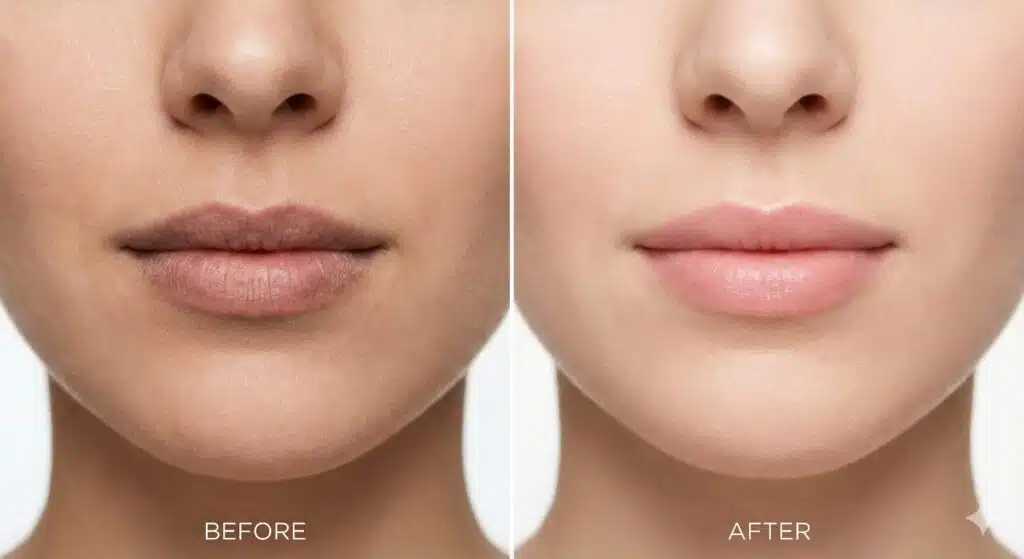
Does azelaic acid work on dark lips? Yes, azelaic acid can effectively lighten dark lips by inhibiting melanin production and reducing hyperpigmentation. However, it requires consistent use over 8-12 weeks and must be applied carefully since lip skin is more sensitive than facial skin. Results vary based on the cause of darkening and proper application technique.
Why Do Lips Turn Dark?
Dark lips are a common concern caused by several factors. Understanding the root cause helps determine if azelaic acid works on dark lips in your specific case.
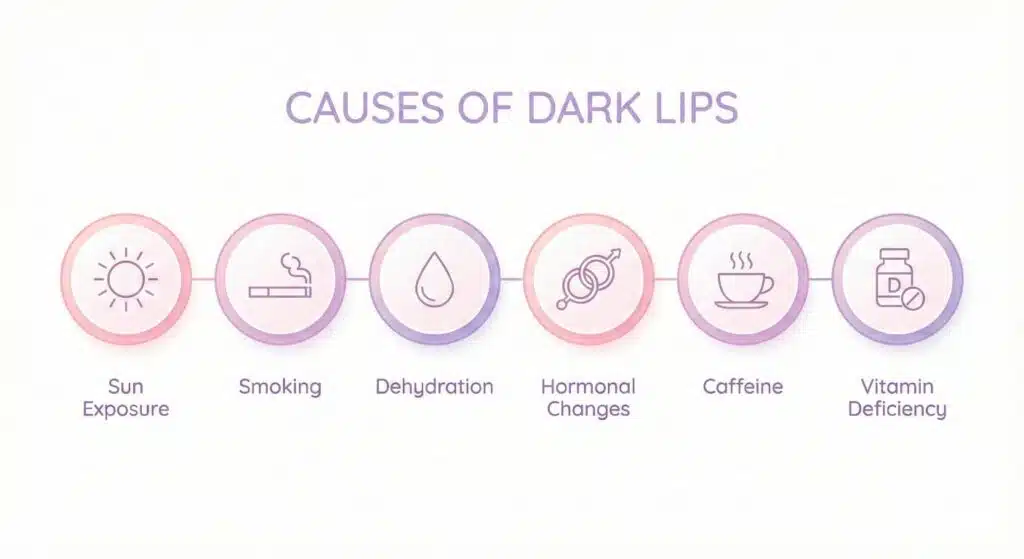
Common causes include:
Sun exposure: Just like facial skin, lips can develop sun spots and hyperpigmentation from UV damage. Unlike the rest of your face, lips lack significant melanin protection.
Smoking: Nicotine and tobacco products cause lips to darken over time through repetitive exposure to heat and chemicals.
Dehydration: Chronic dryness leads to dead skin buildup, making lips appear darker than their natural color.
Hormonal changes: Pregnancy, birth control, or hormonal imbalances can trigger melasma on lips.
Lifestyle factors: Excessive caffeine, iron deficiency, or certain medications may contribute to lip darkening.
How Azelaic Acid Works on Dark Lips
Azelaic acid is a multi-functional ingredient that targets hyperpigmentation through several mechanisms. When applied to lips, it works by inhibiting tyrosinase, the enzyme responsible for melanin production. This means it prevents new dark spots from forming while gradually fading existing pigmentation.
Additionally, azelaic acid has gentle exfoliating properties that remove dead skin cells, revealing fresher, lighter skin underneath. Unlike harsher acids, it’s less likely to cause severe irritation, making it a better option for the delicate lip area. Many people wonder, does azelaic acid work on dark lips as effectively as it does on facial hyperpigmentation? The answer is yes, though the timeline may be slightly longer due to the lip’s unique structure.
Azelaic acid is a multi-functional ingredient that targets hyperpigmentation through several mechanisms. According to research published in the Journal of Clinical and Aesthetic Dermatology, when applied to skin, it works by inhibiting tyrosinase, the enzyme responsible for melanin production.
Expected timeline for results:
- Weeks 1-2: Improved texture, slight brightening
- Weeks 4-6: Noticeable reduction in dark patches
- Weeks 8-12: Significant lightening and even tone
Consistency is crucial. Missing applications will slow your progress considerably.
Is Azelaic Acid Safe to Use on Lips?
While azelaic acid is generally safe for facial use, applying it to lips requires extra caution. Lip skin is thinner, more sensitive, and lacks the protective barrier of facial skin.
While azelaic acid is generally safe for facial use, the FDA has approved concentrations up to 20% for treating acne and rosacea. However, applying it to lips requires extra caution since lip skin is thinner and more sensitive.
Safety guidelines:
Use lower concentrations: Stick to 10% or lower for lip application. Higher concentrations (15-20%) designed for facial use may cause excessive irritation on lips.
Avoid ingestion: Since lips are close to your mouth, be careful not to lick or eat immediately after application. Wait at least 30 minutes before drinking or eating.
Watch for reactions: Mild tingling is normal, but stop immediately if you experience burning, swelling, or blistering.
Patch test first: Apply a small amount to one corner of your lip for 24 hours before full application.
If you have extremely sensitive skin or active lip conditions like herpes or angular cheilitis, consult a dermatologist before using azelaic acid on your lips.
How to Use Azelaic Acid on Dark Lips Correctly
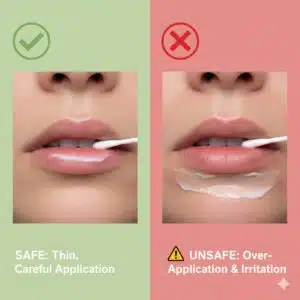
Follow this step-by-step guide for safe and effective application:
Step 1: Gently exfoliate your lips with a soft toothbrush or lip scrub to remove dead skin cells. This helps the product penetrate better.
Step 2: Cleanse your lips with lukewarm water and pat completely dry. Never apply azelaic acid to damp lips.
Step 3: Apply a thin layer of 10% azelaic acid cream or serum to darkened areas only. Use a clean cotton swab or your fingertip for precise application.
Step 4: Wait 5-10 minutes for the product to absorb completely before applying anything else.
Step 5: Follow with a nourishing lip balm containing ceramides or hyaluronic acid to prevent dryness.
Step 6: Apply SPF 30+ lip balm every morning without fail. Azelaic acid increases photosensitivity.
Frequency: Start with once daily application in the evening. If your lips tolerate it well after two weeks, you can increase to twice daily. Never exceed twice daily use.
What to avoid: Don’t combine azelaic acid with other exfoliating acids like glycolic acid or retinoids on your lips. This combination is too harsh for the delicate lip tissue.
Better Alternatives: Kojic Acid vs Azelaic Acid for Lips
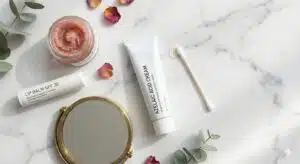
While azelaic acid does work on dark lips kojic acid might be more effective specifically for lip hyperpigmentation. Kojic acid is a powerful melanin inhibitor that’s commonly used in lip-lightening products.
Comparison:
- Kojic acid: Faster results (4-6 weeks), specifically targets melanin
- Azelaic acid: Gentler, additional anti-inflammatory benefits
- Glycolic acid: Better for texture, less effective for pigmentation alone
For best results, some dermatologists recommend using kojic acid and azelaic acid on alternate days. Learn more in our guide: Glycolic vs Azelaic vs Kojic Acid: Which Is Right for You?
Additional Tips for Lightening Dark Lips
Maximize your results with these complementary practices:
Sun protection: Use SPF lip balm religiously. UV exposure will undo your progress.
Stay hydrated: Drink 8 glasses of water daily to prevent dryness-related darkening.
Quit smoking: If applicable, this single change will dramatically improve lip color.
Vitamin E oil: Apply at night to nourish and repair lip tissue.
FAQs
Azelaic acid vs glycolic acid: which is better for dark lips?
Between azelaic acid vs glycolic acid, azelaic acid is better for dark lips because it reduces melanin production while being gentle on sensitive skin. Glycolic acid mainly exfoliates and can irritate lips, potentially worsening pigmentation if overused.
How long for azelaic acid to work on dark lips?
Usually 8–12 weeks with daily use. Mild brightening may appear within 2–3 weeks, but consistent application and sun protection are essential for visible, lasting results.
How long does azelaic acid take to work on lips?
Compared to facial skin, lips take longer due to slower cell turnover. Most users see noticeable lightening after 8–12 weeks of consistent use.
Can azelaic acid lighten dark lips permanently?
Azelaic acid can lighten dark lips significantly, but results are not permanent without maintenance. Continued sun exposure, smoking, or dehydration can cause pigmentation to return, so regular SPF lip balm use is necessary.
Is azelaic acid safe for daily use on lips?
Yes, azelaic acid is safe for daily lip use when limited to 10% or lower concentrations. Start once daily and moisturize afterward to avoid dryness or irritation.
Can azelaic acid and glycolic acid be used together on lips?
No. Even when comparing azelaic acid vs glycolic acid, using both on lips is not recommended. The combination is too harsh for delicate lip skin and may cause irritation or worsen darkening.
Final Thoughts
Does azelaic acid work on dark lips? Absolutely—but patience and proper technique are essential for the best results. Start with a 10% concentration, apply consistently, and protect your lips from the sun. While results take 8-12 weeks, the gradual lightening is safe and sustainable. If you don’t see improvement after 12 weeks, consult a dermatologist to explore stronger treatments or investigate underlying causes.
Related Reading
Want to learn more about effective skin brightening ingredients? Check out these articles:
Kojic Acid for Melasma- Complete Guide
Discover everything you need to know about kojic acid, from how it works to the best products and application techniques for dark spots and uneven skin tone.
Glycolic Acid for Hyperpigmentation: Ultimate Guide (2025)
Learn how glycolic acid can transform your skin by removing dead cells, reducing fine lines, and improving texture for a radiant complexion.
Azelaic Acid for Skin: The Gentle Powerhouse You Need to Know
Explore why azelaic acid is a dermatologist’s favorite for treating acne, rosacea, and hyperpigmentation without harsh side effects.
Glycolic vs Azelaic vs Kojic Acid: Complete Guide 2025
Not sure which acid to choose? Compare these three powerful ingredients side-by-side to find the perfect match for your skin concerns and type