
Can Kojic Acid Burn Skin? What You Need to Know
Can kojic acid burn skin? Yes, kojic acid can cause a burning sensation, especially when used incorrectly or in high concentrations. While this skin-lightening ingredient is effective for treating dark spots and hyperpigmentation, it can irritate sensitive skin and cause discomfort if not used properly.

What Is Kojic Acid?
Kojic acid is a natural compound derived from certain fungi during the fermentation process of rice, soy, and sake. It works by inhibiting the production of melanin, the pigment responsible for skin color. Dermatologists commonly recommend kojic acid for treating various forms of hyperpigmentation, including melasma, age spots, sun damage, and post-inflammatory marks.
You’ll find kojic acid in serums, creams, soaps, and face masks, typically in concentrations ranging from 1% to 4%. The ingredient has gained popularity as a gentler alternative to hydroquinone, though it still requires careful use.
Does Kojic Acid Actually Burn Your Skin?
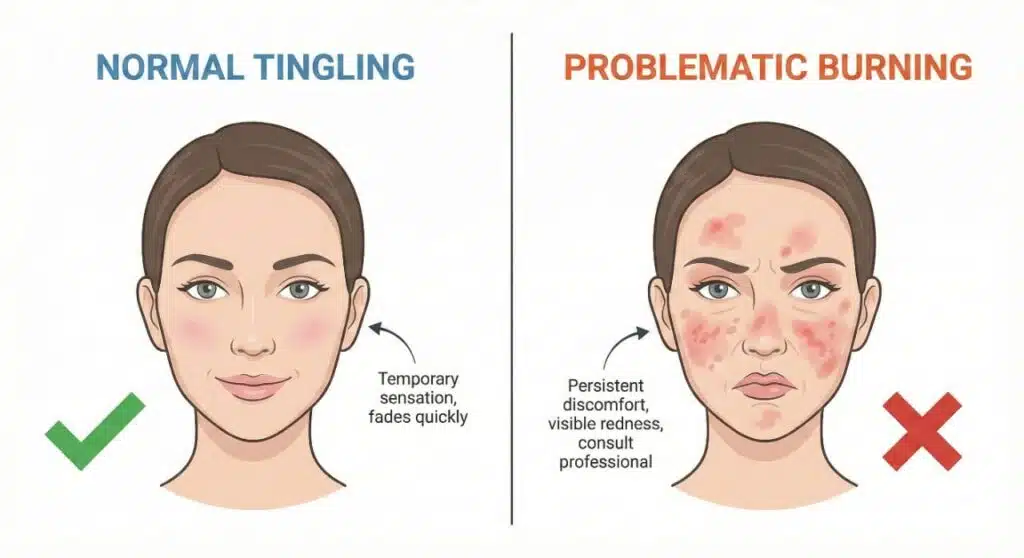
The short answer is yes, kojic acid can cause a burning sensation on your skin. However, there’s an important distinction to make between a mild tingling feeling and actual burning that indicates damage.
Normal reaction: A slight tingling or warming sensation when you first apply kojic acid is common and usually subsides within a few minutes. This typically means the product is working and your skin is adjusting to the ingredient.
Problematic burning: If you experience intense, persistent burning that doesn’t fade, accompanied by redness, inflammation, or pain, your skin is likely reacting negatively to the product.
Several factors contribute to kojic acid burning:
Concentration levels: Products with higher concentrations (above 2%) are more likely to cause irritation, especially for beginners or those with sensitive skin.
Skin sensitivity: People with naturally sensitive skin, rosacea, or compromised skin barriers are more susceptible to burning sensations.
Overuse: Applying kojic acid too frequently or leaving it on longer than recommended increases the risk of irritation.
Combination with other actives: Using kojic acid alongside other exfoliating ingredients like AHAs, BHAs, or retinoids can intensify burning.
The American Academy of Dermatology notes that while kojic acid is effective for treating hyperpigmentation, it can cause contact dermatitis and skin irritation in some individuals, especially at higher concentrations
Warning Signs Your Skin Is Reacting Badly
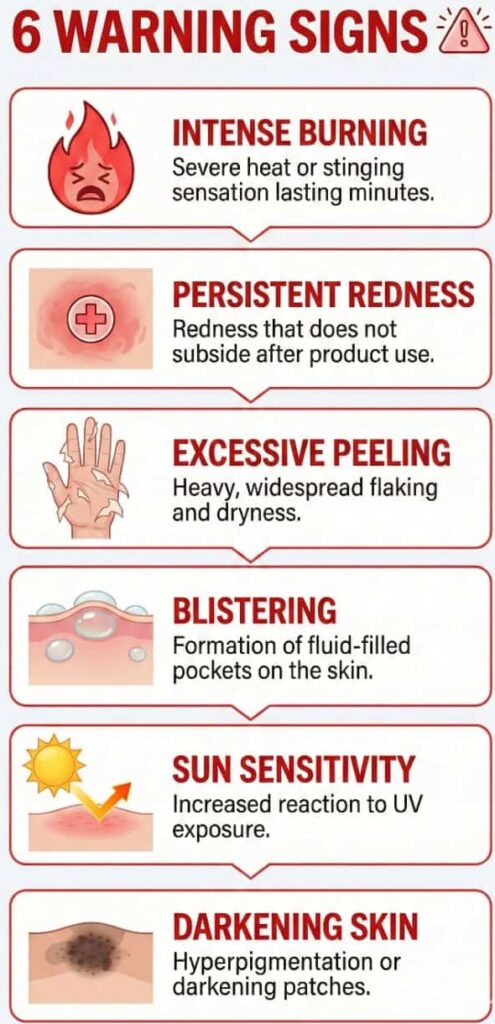
Watch for these red flags that indicate kojic acid is burning or damaging your skin:
- Intense, persistent burning that lasts more than 10 minutes
- Visible redness or inflammation that doesn’t subside
- Dry, flaky patches or excessive peeling
- Blistering or open wounds
- Increased sensitivity to sunlight
- Darkening of skin (paradoxical hyperpigmentation)
If you experience any of these symptoms, discontinue use immediately and consult a dermatologist.
According to Cleveland Clinic, signs of contact dermatitis from skincare ingredients include persistent burning, redness, blistering, and increased skin sensitivity—all indicators to stop using the product immediately.
How to Prevent Kojic Acid Skin Burning
Follow these guidelines to minimize the risk of burning:
Start low and go slow: Begin with products containing 1% kojic acid and gradually increase concentration as your skin builds tolerance.
Always patch test: Apply a small amount to your inner forearm or behind your ear 24-48 hours before using it on your face.
Use proper application technique: Apply kojic acid to clean, completely dry skin. Wait 5-10 minutes before layering other products.
Moisturize religiously: Follow kojic acid application with a hydrating, barrier-repairing moisturizer to minimize irritation.
Limit frequency: Start by using kojic acid 2-3 times per week, not daily. Increase frequency only if your skin tolerates it well.
Never skip sunscreen: Kojic acid makes your skin more photosensitive. Apply SPF 30 or higher every morning, even on cloudy days.
What to Do If Kojic Acid Burns Your Skin

If you’re experiencing burning from kojic acid:
- Rinse immediately: Wash the product off with cool water and a gentle cleanser
- Apply a cold compress: Use a clean, damp cloth to soothe the burning sensation
- Use calming ingredients: Apply products with aloe vera, centella asiatica, or colloidal oatmeal
- Skip active ingredients: Avoid all exfoliants and actives until your skin heals completely
- See a professional: If burning persists or worsens, consult a dermatologist for proper treatment
Final Thoughts
Kojic acid can burn skin when used improperly, but it doesn’t have to. By starting with lower concentrations, patch testing, and following proper application guidelines, you can safely incorporate this effective brightening ingredient into your routine. Listen to your skin—mild tingling is normal, but persistent burning is your skin’s way of saying “stop.” When used correctly, kojic acid can help you achieve brighter, more even-toned skin without the burn.
Related Reading
Want to learn more about effective skin brightening ingredients? Check out these articles:
Kojic Acid for Melasma- Complete Guide
Discover everything you need to know about kojic acid, from how it works to the best products and application techniques for dark spots and uneven skin tone.
Glycolic Acid for Hyperpigmentation: Ultimate Guide (2025)
Learn how glycolic acid can transform your skin by removing dead cells, reducing fine lines, and improving texture for a radiant complexion.
Azelaic Acid for Skin: The Gentle Powerhouse You Need to Know
Explore why azelaic acid is a dermatologist’s favorite for treating acne, rosacea, and hyperpigmentation without harsh side effects.
Glycolic vs Azelaic vs Kojic Acid: Complete Guide 2025
Not sure which acid to choose? Compare these three powerful ingredients side-by-side to find the perfect match for your skin concerns and type