
Biotin Deficiency in Vegans : Signs, Sources & Prevention Guide
Are you following a vegan diet and worried about getting enough biotin for healthy hair, skin, and nails? Understanding biotin deficiency in vegans is crucial because while plant-based diets offer numerous health benefits, certain nutrients require extra attention.
The good news? Research shows that vegans can absolutely meet their biotin needs through strategic food choices. Let’s explore the causes, symptoms, and practical solutions for maintaining optimal biotin levels on a plant-based diet.
Understanding Biotin: What Every Vegan Should Know
Biotin is a water-soluble B-complex vitamin that functions as a cofactor for several carboxylase enzymes involved in fatty acid synthesis, amino acid metabolism, and glucose production. Your body needs biotin to convert food into usable energy and support healthy cell growth.
Unlike fat-soluble vitamins, your body doesn’t store biotin in large amounts. This means you need a consistent daily intake from dietary sources.
How much biotin per day do vegans actually need?
| Life Stage | Daily Biotin Requirement |
| Adults (19+ years) | 30 mcg |
| Pregnant women | 30 mcg |
| Breastfeeding women | 35 mcg |
| Adolescents (14-18 years) | 25 mcg |
| Children (9-13 years) | 20 mcg |
How much biotin is safe to take for vegans? Biotin has no established upper limit because it’s water-soluble and excess amounts are excreted through urine. Studies show doses up to 10,000 mcg daily are generally safe, though food sources remain preferable to mega-dose supplements.
Learn the optimal daily biotin intake based on your age, dietary restrictions, and specific health needs to prevent deficiency symptoms. How Much Biotin Should I Take Daily?
Do Vegans Have Biotin Deficiency?
The short answer is no, vegans don’t characteristically have biotin deficiency.
According to the National Institutes of Health, biotin deficiency is rare in the general population due to its widespread presence in foods and bacterial synthesis in the gut. The populations at highest risk include individuals with biotinidase deficiency, those on long-term antibiotic or anticonvulsant therapy, and people receiving total parenteral nutrition.
Key research findings:
- Vegans show adequate plasma biotin concentrations
- Urinary biotin excretion in vegans equals or exceeds other diet groups
- Biotin deficiency rates are similar across all dietary patterns
- Well-planned vegan diets provide sufficient biotin
What Are the Signs of Biotin Deficiency?
Recognizing the symptoms of biotin deficiency vegans might experience is important for early intervention.
Early symptoms include:
- Thinning hair or progressive hair loss (alopecia)
- Brittle, splitting nails that break easily
- Scaly, red rash around eyes, nose, and mouth (seborrheic dermatitis)
- Persistent fatigue and lethargy
- Mild depression or mood changes
Advanced symptoms (if deficiency continues):
- Conjunctivitis (eye inflammation)
- Paresthesia (numbness and tingling in extremities)
- Muscle pain and weakness
- Loss of coordination and balance (ataxia)
- Seizures (in severe cases)
- Cognitive impairment or confusion
Hair loss from biotin deficiency differs from other types of alopecia. It typically presents as diffuse thinning rather than pattern baldness, affecting the entire scalp uniformly.
Important note: These symptoms aren’t specific to biotin deficiency and can result from various nutritional deficiencies or medical conditions. If you experience several of these symptoms, consult a healthcare provider for proper evaluation rather than self-diagnosing.
Primary Causes of Biotin Deficiency in Plant-Based Diets
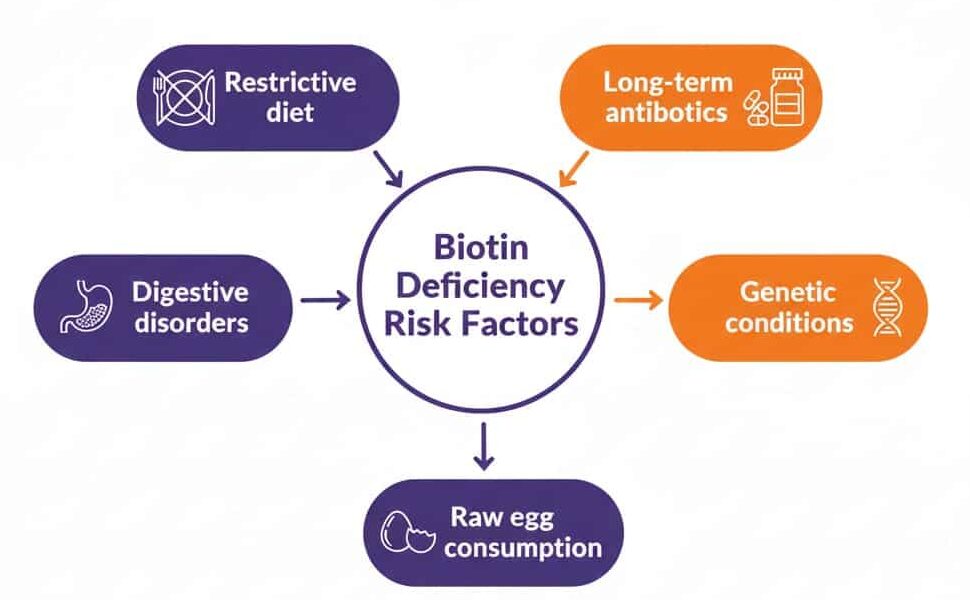
While biotin deficiency in vegans is uncommon, understanding the potential causes helps you avoid this nutritional gap. Several factors can contribute to inadequate biotin status on a vegan diet.
Limited food variety tops the list of causes. The richest biotin sources are animal-derived foods like egg yolks, liver, and dairy products. When transitioning to veganism, people sometimes rely heavily on a narrow range of foods without incorporating diverse vegan sources of biotin for hair and overall health.
High consumption of raw egg whites by some vegans poses a unique risk. However, most vegans don’t consume eggs, making this factor irrelevant for strict vegans.
Digestive issues affecting absorption can impair biotin uptake:
- Inflammatory bowel disease (Crohn’s, ulcerative colitis)
- Leaky gut syndrome
- Small intestinal bacterial overgrowth (SIBO)
- Recent bowel surgery
Long-term antibiotic use disrupts gut bacteria that produce biotin. While this isn’t vegan-specific, the reduced bacterial synthesis combined with potentially lower dietary intake from plant sources can create a perfect storm for deficiency.
Medication interactions that affect biotin include:
- Anticonvulsants (phenytoin, carbamazepine, phenobarbital)
- Isotretinoin (used for acne treatment)
- Some antimicrobial medications
Genetic conditions like biotinidase deficiency prevent proper biotin recycling in the body. This rare inherited disorder requires high-dose biotin supplementation regardless of dietary pattern.
Top Plant-Based Foods Rich in Biotin
Meeting your biotin needs on a vegan diet becomes straightforward when you know which best plant based biotin foods to prioritize. While plant sources generally contain less biotin than animal products, strategic food choices easily cover your requirements.
| Food Source | Serving Size | Biotin Content (mcg) | % Daily Value |
| Nutritional yeast | 2 tablespoons | 21 | 70% |
| Roasted peanuts | ¼ cup | 4.9 | 16% |
| Soybeans (cooked) | ½ cup | 19.3 | 64% |
| Sunflower seeds | ¼ cup | 2.6 | 9% |
| Almonds | ¼ cup | 1.5 | 5% |
| Sweet potato | ½ cup | 2.4 | 8% |
| Mushrooms | ½ cup | 5.6 | 19% |
| Spinach (cooked) | ½ cup | 0.5 | 2% |
| Broccoli | ½ cup | 0.4 | 1% |
| Avocado | ½ medium | 2.0 | 7% |
Nutritional yeast stands out as the biotin champion among vegan biotin rich foods list options. Just two tablespoons provide 70% of your daily biotin needs plus B vitamins, protein, and trace minerals.
Legumes deserve special attention. Beyond the well-studied peanuts and soybeans, research on natto (fermented soybeans) shows biotin content comparable to almonds at 13-40 mcg per gram. Soy milk contains approximately 3 mcg per milliliter, making it an excellent biotin source that’s often overlooked.
Nuts and seeds provide concentrated biotin. While you’d need substantial quantities to meet 100% of your needs from these alone, they contribute meaningfully when eaten regularly as snacks or meal components.
Vegetables and fruits contain smaller biotin amounts but add up throughout the day. Sweet potatoes, mushrooms, and leafy greens like spinach contribute to your total intake while providing fiber, vitamins, and minerals.
The biotin content in plant foods can vary based on soil quality, growing conditions, and food processing methods. This natural variation means eating diverse vegan sources of biotin for hair health ensures consistent intake.
How to Get Enough Biotin as a Vegan
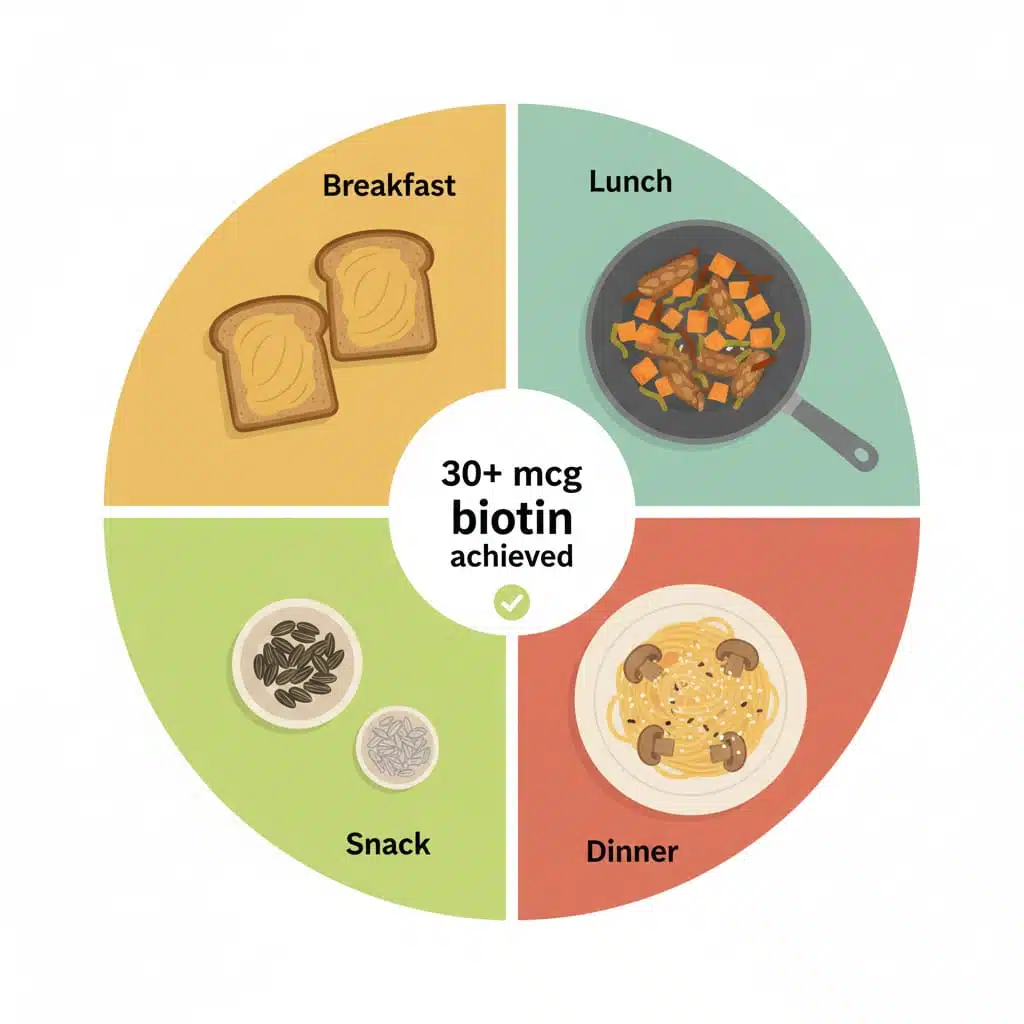
Meeting your biotin needs as a vegan requires strategic meal planning rather than restriction. Here are practical approaches to ensure adequate intake of biotin deficiency in vegans never becomes your concern.
Build biotin-rich meals daily:
| Meal | Foods | Approximate Biotin |
| Breakfast | Oatmeal with 2 tbsp peanut butter, banana | 7 mcg |
| Snack | ¼ cup sunflower seeds | 2.6 mcg |
| Lunch | Buddha bowl with sweet potato, spinach, 2 tbsp nutritional yeast | 24 mcg |
| Snack | Avocado toast on whole grain bread | 3 mcg |
| Dinner | Stir-fry with tofu, broccoli, mushrooms | 8 mcg |
| Total | 44.6 mcg (149% DV) |
Supplementation considerations:
- Most vegans don’t need biotin supplements with proper food planning
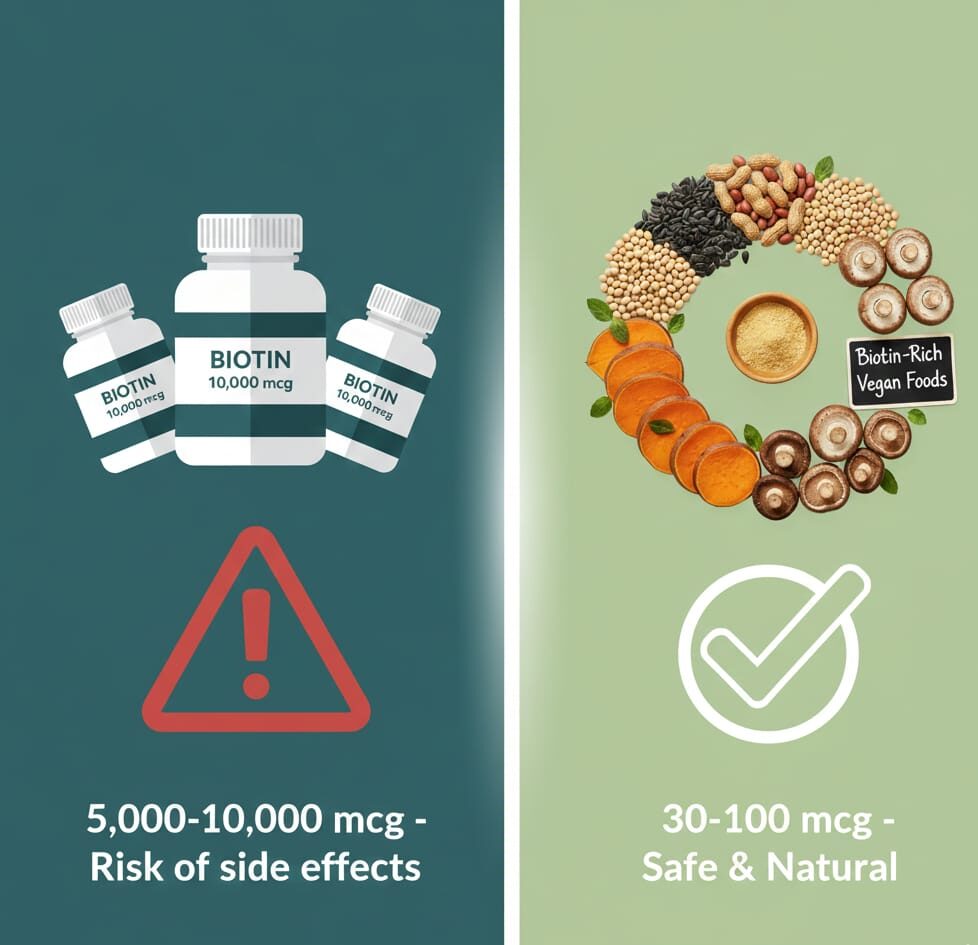
- If supplementing, choose 30-100 mcg doses (not mega-doses)
- Look for vegan-certified supplements without gelatin or animal-derived ingredients
- Third-party testing ensures accuracy of biotin content
Monitor your intake periodically using nutrition tracking apps to verify you’re meeting biotin needs.
Top 15 Biotin-Rich Foods for Hair Growth Naturally
Explore plant-based biotin sources and vegan-friendly foods that naturally boost your biotin levels without supplements.
What Is the 30-30-30 Rule for Vegans?
The 30-30-30 rule for vegans refers to a trending dietary approach focused on morning nutrition and exercise. This rule involves eating 30 grams of protein within 30 minutes of waking, followed by 30 minutes of steady-state cardiovascular exercise.
While not directly related to biotin intake, this rule offers benefits for vegans concerned about overall nutrition. Starting your day with protein-rich foods helps stabilize blood sugar levels, reduces cravings throughout the day, and ensures consistent nutrient intake.
How vegans can apply the 30-30-30 rule:
- Consume protein smoothies with plant protein powder, nut butter, and seeds
- Eat tofu scrambles with vegetables and nutritional yeast
- Prepare overnight oats with protein powder, chia seeds, and nuts
- Make bean-based breakfast burritos with avocado
Optimal Timing: When Should Vegans Take Biotin?
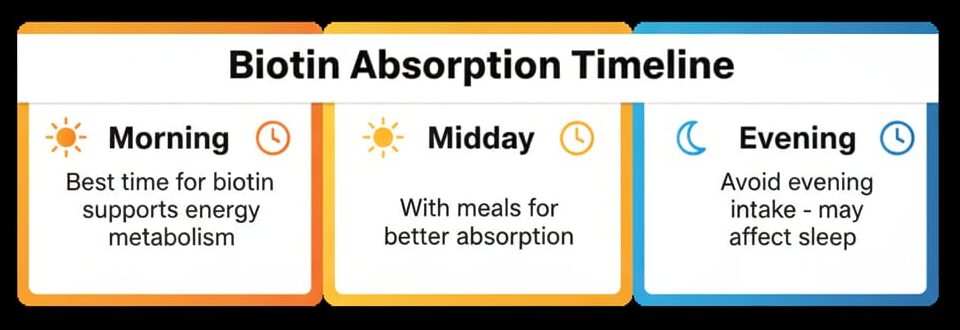
Whether from food or supplements, timing your biotin intake can influence absorption and effectiveness. Should I take biotin in the morning or at night? Research suggests morning consumption offers several advantages for vegans.
Best time of day to take biotin recommendations for vegans:
- ⏰ Morning (6-9 AM): Optimal for energy metabolism support
- 🍽️ With breakfast: Enhanced absorption with food
- 💪 Pre-workout: Supports energy production during exercise
- 🌙 Avoid late evening: May interfere with sleep in sensitive individuals
The most important factor isn’t the exact hour but consistency. Establishing a regular pattern of biotin intake, whether through morning oatmeal with nuts or evening stir-fry with nutritional yeast, matters more than perfect timing.
Most vegans following varied, whole-food diets don’t need biotin supplements. However, certain situations warrant consideration of supplementation to prevent biotin deficiency in vegans.
Best Time to Take Biotin: Morning vs Night
Find out the optimal time to take your biotin supplement for maximum absorption and effectiveness in treating deficiency.
Consider supplementation if you:
- Have documented biotin deficiency confirmed by lab tests
- Take long-term antibiotics that disrupt gut bacteria
- Use anticonvulsant medications that affect biotin metabolism
- Have digestive disorders impairing nutrient absorption
- Experience unexplained hair loss after ruling out other causes
- Follow a very restricted diet with limited food variety
- Are pregnant or breastfeeding with inadequate dietary intake
Choosing vegan biotin supplements:
- Verify vegan certification (avoid gelatin capsules)
- Select 30-100 mcg doses rather than mega-doses
- Look for third-party testing (USP, NSF, ConsumerLab)
- Check for additives like carmine (derived from beetles)
- Consider B-complex supplements for comprehensive support
Supplement timing and dosage:
- Take biotin with food for better absorption
- Morning intake works well for most people
- Start with lower doses (30-50 mcg) before increasing
- Avoid doses exceeding 10,000 mcg without medical supervision
Important warning about lab test interference: High-dose biotin supplementation (typically above 5,000 mcg) can interfere with immunoassays used for thyroid function tests, cardiac biomarker tests, and other diagnostics. This interference can produce false-positive or false-negative results, potentially leading to misdiagnosis.
If you take biotin supplements and need lab work, inform your healthcare provider and consider stopping supplementation 72 hours before testing. This precaution prevents biotin interference with test accuracy.
Monitor your response to supplementation:
- Hair growth improvements take 3-6 months to become visible
- Nail strength changes appear within 6-8 weeks
- Skin improvements may occur within 4-6 weeks
- Discontinue if you experience adverse effects
The supplement industry heavily markets biotin for hair, skin, and nail health. Can vegans get enough biotin without supplements? Absolutely yes, with proper dietary planning.
Conclusion
Understanding biotin deficiency in vegans reveals that this concern is largely unfounded for those following well-planned plant-based diets.
The key to meeting your biotin needs lies in incorporating vegan sources of biotin for hair, skin, and overall health into your daily meals. Nutritional yeast, peanuts, soybeans, sunflower seeds, and sweet potatoes provide ample biotin when consumed regularly.
Do vegans need biotin supplements? For the vast majority, the answer is no. Focus instead on eating varied, whole-food sources of biotin throughout the day.
By recognizing the symptoms of biotin deficiency vegans might experience and knowing how to get enough biotin as a vegan through strategic food choices, you can confidently maintain healthy hair, strong nails, and vibrant skin on your plant-based journey.
Frequently Asked Questions
Do vegans have biotin deficiency?
No, vegans don’t characteristically have biotin deficiency. Research shows vegans have adequate biotin levels comparable to vegetarians and omnivores. Well-planned vegan diets with diverse food choices provide sufficient biotin for most people.
What is the 30-30-30 rule for vegans?
The 30-30-30 rule involves eating 30 grams of protein within 30 minutes of waking, followed by 30 minutes of steady-state cardio exercise.
What are the signs of biotin deficiency?
Biotin deficiency symptoms include progressive hair thinning or loss, brittle nails that split easily, scaly red rash around the eyes, nose and mouth, persistent fatigue, and depression. Advanced deficiency can cause numbness in extremities, muscle pain, loss of coordination, and in severe cases, seizures.
Biotin Deficiency: Signs You Might Not Be Getting Enough
Recognize the early warning signs and symptoms of biotin deficiency before they impact your hair, skin, and overall health.
How to get enough biotin as a vegan?
Vegans can meet biotin needs by eating nutritional yeast (21 mcg per 2 tablespoons), peanuts (4.9 mcg per ¼ cup), soybeans (19.3 mcg per ½ cup), sunflower seeds, sweet potatoes, and mushrooms daily. Combining multiple biotin sources throughout the day easily provides the 30 mcg daily requirement. Most vegans don’t need supplements with proper food planning.
What is the best time of day to take biotin?
Morning is optimal for biotin intake, whether from food or supplements. Biotin supports energy metabolism, which is most active during waking hours. Taking biotin with breakfast enhances absorption and aligns with your body’s natural metabolic rhythms. Consistency matters more than exact timing for long-term results.
How much biotin is safe to take for vegans?
Biotin is considered safe up to 10,000 mcg daily with no established upper limit due to its water-soluble nature. However, vegans typically need only 30-100 mcg from food sources. High doses (5,000+ mcg) may interfere with lab tests and potentially trigger acne in sensitive individuals. Food sources are safer than mega-dose supplements.
Should I take biotin in the morning or at night?
Take biotin in the morning rather than at night. Morning intake supports daytime energy metabolism and may improve absorption when taken with food. Some people experience mild sleep disturbances with evening B-vitamin intake, though this is rare.
Can biotin cause acne in vegans?
Biotin from vegan food sources (30-100 mcg daily) rarely causes acne. However, high-dose supplements (5,000-10,000 mcg) may trigger breakouts in acne-prone individuals by interfering with vitamin B5 absorption. If you have acne-prone skin, stick to whole food biotin sources like nutritional yeast, nuts, and seeds rather than mega-dose supplements.
What are the best vegan sources of biotin for hair?
The best vegan sources include nutritional yeast (highest concentration), peanuts and peanut butter, soybeans and soy products, sunflower seeds, almonds, sweet potatoes, and mushrooms. Eating 2 tablespoons of nutritional yeast plus ¼ cup of peanuts daily provides approximately 26 mcg of biotin, nearly meeting the 30 mcg daily requirement for healthy hair growth.
Can you get biotin deficiency from a vegan diet?
Biotin deficiency from a vegan diet alone is extremely rare. Research confirms vegans maintain adequate biotin status when eating varied plant foods. Deficiency typically occurs only with very restricted diets, long-term antibiotic use, digestive disorders affecting absorption, or genetic conditions like biotinidase deficiency, not from veganism itself.
Should vegans take biotin supplements?
Most vegans don’t need biotin supplements if eating varied diets with nuts, seeds, nutritional yeast, and legumes. Consider supplements only if you have documented deficiency, take medications affecting biotin metabolism, have digestive disorders, or follow very restricted diets.
Related Read
Is Biotin Safe for Teenagers? Parent’s Guide
Discover the safety guidelines and dosage recommendations for biotin supplementation in teens, especially important for vegan adolescents at risk of deficiency.
Biotin Side Effects: Does Biotin Cause Acne Breakouts?
Understand potential side effects of biotin supplementation and how to avoid adverse reactions when correcting a deficiency.