
Biotin for PCOS: Does It Help or Make It Worse?
The answer is complicated. Research shows biotin may improve blood sugar control and reduce triglycerides in PCOS patients, but high doses can also trigger acne breakouts and interfere with hormone tests. This guide examines the science behind biotin for PCOS, helping you decide if supplementation is right for your situation.
Women with PCOS face a frustrating combination of symptoms including hair loss, hormonal acne, insulin resistance, and metabolic dysfunction. Many turn to biotin supplements hoping for relief, but does biotin for PCOS actually help or make symptoms worse?
Understanding PCOS and Its Impact on Your Body
Polycystic Ovary Syndrome affects approximately one in ten women of reproductive age worldwide. PCOS is a complex endocrine disorder that creates a cascade of metabolic and hormonal problems.
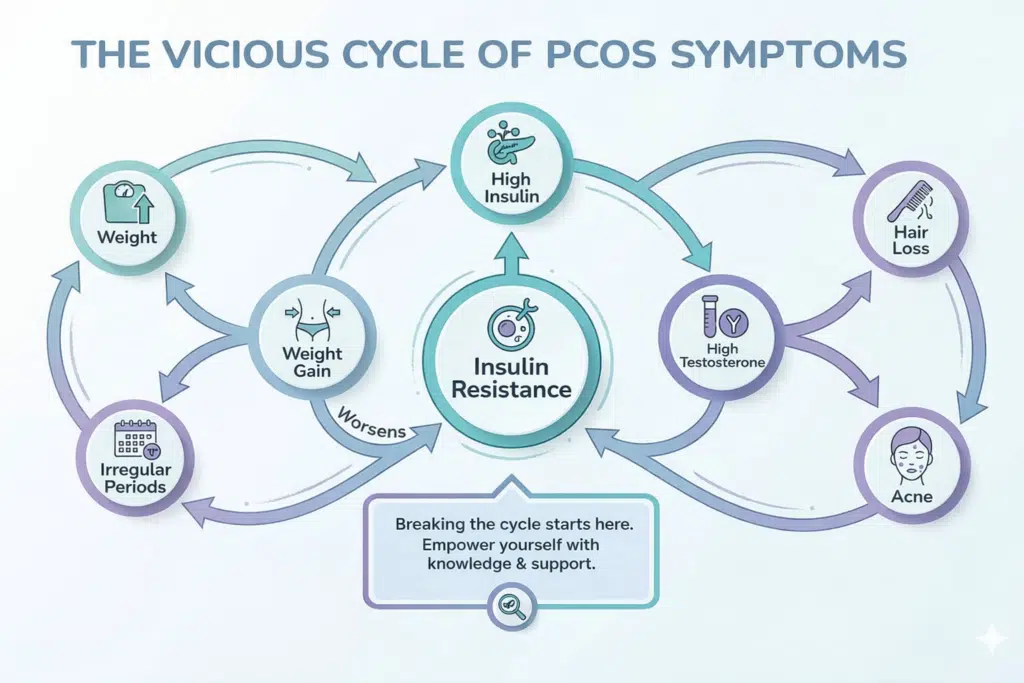
Common PCOS Symptoms:
- Hormonal imbalances: Elevated androgens (testosterone)
- Insulin resistance: Cells become less responsive to insulin
- Irregular periods: Missed or unpredictable menstrual cycles
- Hair loss: Thinning hair on scalp (androgenic alopecia)
- Acne: Hormonal breakouts, especially jawline and chin
- Weight gain: Difficulty losing weight despite efforts
- Ovarian cysts: Multiple small cysts on ovaries
- High triglycerides: Elevated blood fats and cholesterol
- Increased inflammation: Chronic low-grade inflammation
The condition creates a vicious cycle. Insulin resistance forces the pancreas to produce more insulin, which triggers the ovaries to produce more testosterone. This leads to hair loss, acne, irregular periods, and difficulty conceiving.
What Is Biotin and How Does It Work?
Biotin, also known as vitamin B7 or vitamin H, is a water-soluble B vitamin essential for converting food into energy. Your body cannot produce biotin, so you must obtain it through diet or supplementation.
Key Functions of Biotin:
- Converts carbohydrates, fats, and proteins into usable energy
- Supports enzymes that regulate glucose metabolism
- Helps produce fatty acids needed for hormone synthesis
- Strengthens keratin structure in hair, skin, and nails
- Supports gene expression and cell signaling
The recommended adequate intake for adults is 30 micrograms daily. Most supplements contain doses 100 to 300 times higher (2,500-10,000 mcg).
Biotin Benefits for PCOS Management
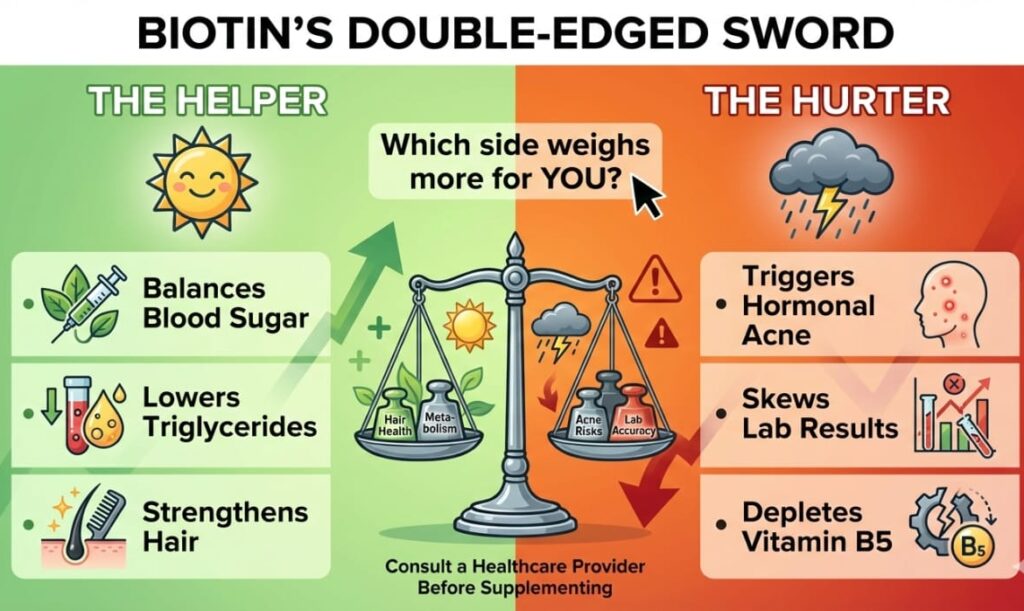
Research suggests biotin for PCOS may provide specific therapeutic benefits when used appropriately.
Blood Sugar Control and Insulin Resistance
Studies demonstrate that biotin supplementation can improve glucose tolerance and reduce insulin resistance, two core issues in PCOS.
Research Findings:
- One Japanese study found biotin reduced blood glucose levels by 45% after just one month in diabetic patients
- Research on diabetic rats showed biotin prevented insulin resistance in skeletal muscles
- Biotin activates enzymes involved in glucose metabolism
- Suppresses genes that promote excess glucose production in the liver
A combination of biotin and chromium has shown particularly promising results. One clinical trial found this combination significantly improved glucose control and reduced cardiovascular disease risk markers in diabetics.
Triglyceride and Cholesterol Reduction
Women with PCOS frequently have elevated triglycerides and unhealthy cholesterol patterns that increase cardiovascular disease risk.
Lipid Profile Benefits:
- Reduces triglycerides: Multiple studies confirm high-dose biotin effectively lowers triglycerides
- Lowers VLDL cholesterol: Decreases very low-density lipoprotein
- Improves cholesterol ratios: Better total cholesterol to HDL and LDL to HDL ratios
- Cardiovascular protection: Particularly important for PCOS patients at elevated heart disease risk
Clinical trials combining biotin with chromium demonstrated the most significant improvements in lipid profiles.
Hair Loss Prevention and Growth
Approximately 30% of women with PCOS experience hair thinning or androgenic alopecia due to elevated androgens shrinking hair follicles.
How Biotin Supports Hair:
- Plays crucial role in keratin production (structural protein forming hair)
- Strengthens hair structure and reduces brittleness
- Promotes follicle health
- May counter some hormonal effects on hair growth
Clinical studies show biotin supplementation improves nail thickness by 25% and reduces brittleness.
Women using biotin for PCOS hair concerns typically report improvements after 3-6 months of consistent supplementation.
Metabolic Function Support
Biotin supports efficient energy production from food, which helps stabilize energy levels throughout the day. This benefit is particularly valuable for PCOS patients who frequently experience energy fluctuations related to blood sugar instability.
Metabolic Pathways Biotin Supports:
- Fatty acid synthesis
- Amino acid metabolism
- Gluconeogenesis (glucose production)
- Energy production from macronutrients
By supporting these processes, biotin may indirectly improve overall hormonal balance and metabolic health.
The Dark Side: How Biotin Can Worsen PCOS Symptoms
Despite potential benefits, biotin for PCOS carries significant risks that deserve serious consideration.
Acne Breakouts and Hormonal Disruption
High-dose biotin frequently triggers acne breakouts, especially in women already prone to hormonal acne. PCOS patients are particularly vulnerable because they already have elevated androgens and insulin resistance.
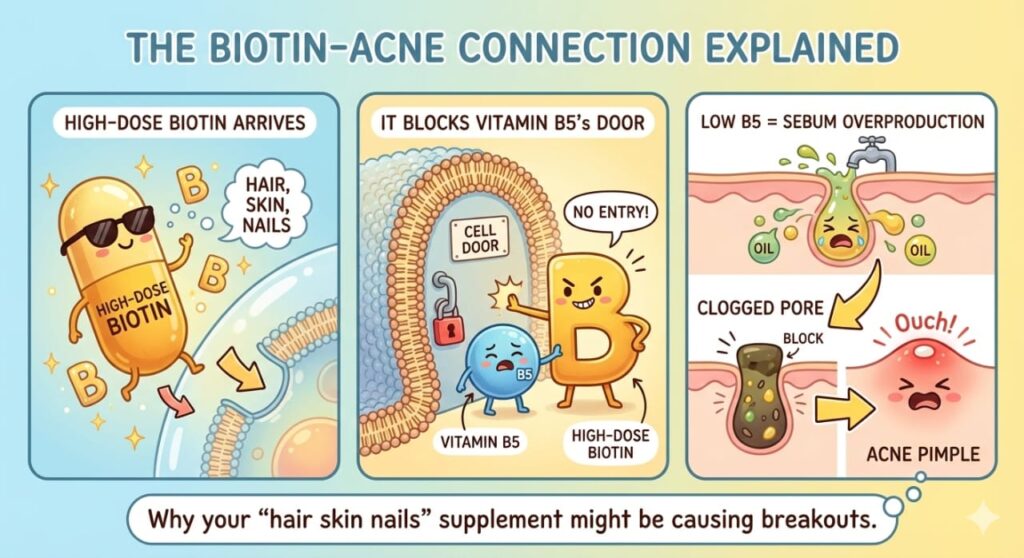
Why Biotin Causes Acne:
- Competes with Vitamin B5: Both vitamins use the same absorption pathways
- Depletes B5 levels: Excessive biotin reduces vitamin B5 in your body
- Increases sebum production: Low B5 leads to excess skin oil
- Clogs pores: More oil means more clogged pores and breakouts
Typical Acne Pattern:
- Appears on jawline, chin, and forehead
- Develops within 2-6 weeks of starting supplements
- Resists standard topical treatments
- Clears within 2-4 weeks after stopping biotin
Research confirms that biotin may exacerbate existing hormonal imbalances in PCOS patients, potentially disrupting the delicate hormonal balance.
Laboratory Test Interference
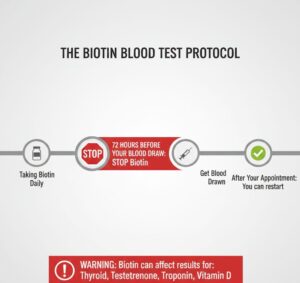
One of the most serious risks of high-dose biotin is interference with blood tests. This is especially dangerous for PCOS patients who require regular hormone monitoring.
Tests Affected by Biotin:
- ⚠️ Thyroid function tests: Falsely low TSH, falsely elevated T3/T4
- ⚠️ Hormone assays: Incorrect testosterone, estrogen, progesterone levels
- ⚠️ Cardiac markers: False troponin results (heart attack tests)
- ⚠️ Vitamin D tests: Inaccurate readings
- ⚠️ Fertility hormones: FSH, LH, prolactin interference
Biotin doses above 5,000 mcg significantly affect test accuracy. False results can lead to misdiagnosis or incorrect treatment decisions.
Critical Action: Stop biotin at least 48-72 hours before any blood work.
Digestive and Skin Reactions
Some women experience side effects from biotin supplementation that require dose reduction or discontinuation.
Common Side Effects:
- Nausea and stomach upset
- Cramping and bloating
- Diarrhea
- Skin rashes or itching
- Allergic reactions (rare but serious)
If you develop unexpected skin reactions or breathing difficulties after starting biotin, discontinue use immediately.
Biotin Dosage Guidelines for PCOS
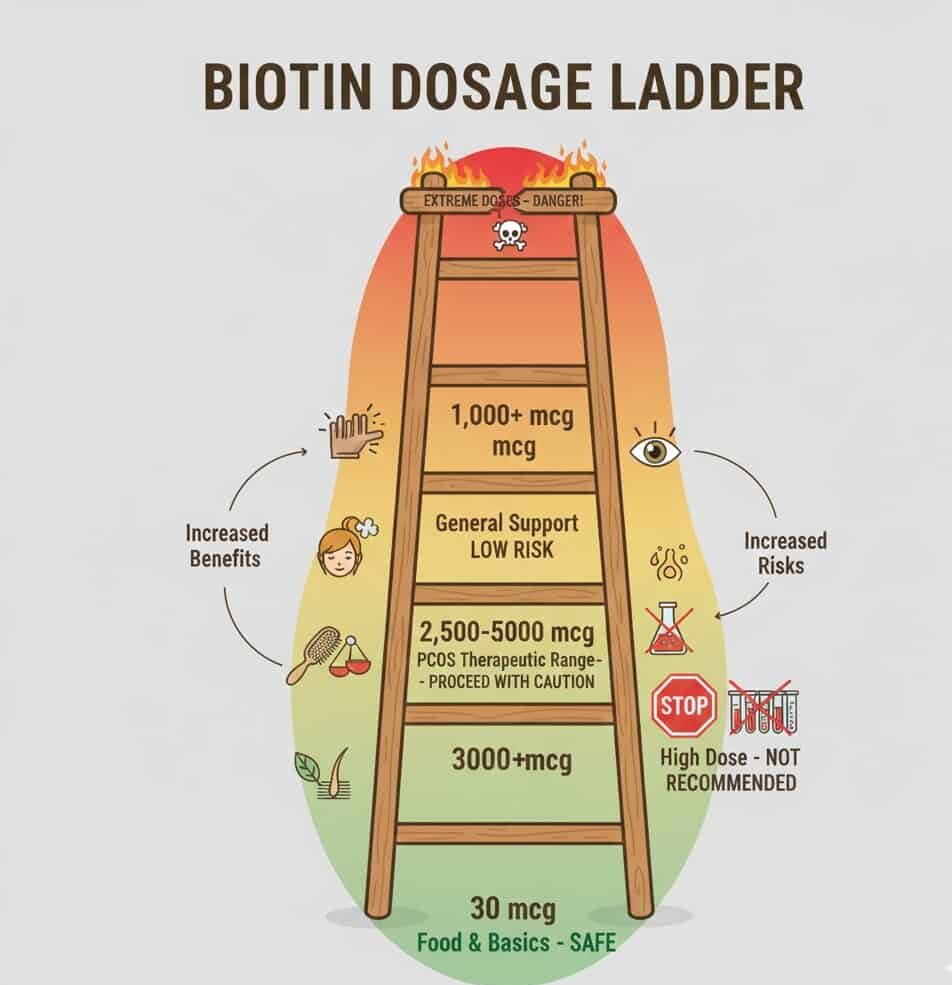
Determining the right biotin for PCOS dosage requires balancing therapeutic benefits against side effect risks.
| Biotin Dosage | Purpose | Risk Level |
| 30 mcg/day | Adequate intake (AI) for healthy adults | ✓ Safe |
| 100-300 mcg/day | Low-dose supplementation | ✓ Low risk |
| 2,500-5,000 mcg/day | Therapeutic dose for PCOS | ⚠️ Moderate risk |
| 5,000-10,000 mcg/day | High-dose for severe hair loss | ⚠️ High acne/test interference risk |
| 10,000+ mcg/day | Very high dose | ✗ Not recommended |
Recommended Starting Protocol:
- Begin with 2,500-5,000 mcg daily taken with food
- Monitor skin carefully for 6 weeks
- If acne develops, reduce dose or add Vitamin B5 (100-250 mg daily)
- Stop biotin 48-72 hours before blood tests
- Consult healthcare provider before starting
Some clinicians use extremely high doses (5,000-8,000 mg daily) for severe hair loss, but these should only be used under medical supervision.
Who Should Avoid Biotin Supplements?
Certain PCOS patients should exercise extreme caution or avoid biotin for PCOS supplementation entirely.
❌ Avoid Biotin If You Have:
- Active hormonal acne: High risk of worsening breakouts
- Acne-prone skin: Especially jawline and chin breakouts
- Regular blood testing needs: Thyroid, hormone, or cardiac monitoring
- Anti-seizure medications: Carbamazepine, phenobarbital, phenytoin
- Upcoming medical procedures: Lab tests required for diagnosis
⚠️ Use Caution If You Are:
- Pregnant or breastfeeding (only with medical supervision)
- A cigarette smoker (increased biotin needs)
- Taking multiple B-complex vitamins
- Under 18 years old
Always consult your healthcare provider before taking biotin for PCOS, especially if you fall into any of these categories.
Natural Food Sources of Biotin
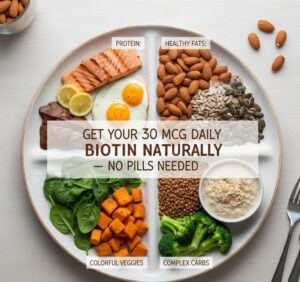
Obtaining biotin through whole foods rather than high-dose supplements minimizes risks while providing adequate nutrition. Dietary biotin rarely causes the side effects associated with supplements.
Top Biotin-Rich Foods:
| Food Source | Biotin Content | Serving Size |
| Beef liver | 30 mcg | 3 ounces |
| Egg yolk | 10 mcg | 1 large egg |
| Salmon | 5 mcg | 3 ounces |
| Pork chop | 4 mcg | 3 ounces |
| Almonds | 1.5 mcg | 1/4 cup |
| Sweet potato | 2.4 mcg | 1/2 cup |
| Spinach | 0.5 mcg | 1/2 cup |
| Broccoli | 0.4 mcg | 1/2 cup |
| Sunflower seeds | 2.6 mcg | 1/4 cup |
| Mushrooms | 2.6 mcg | 1/2 cup |
Plant-Based Sources:
- Nuts: almonds, walnuts, peanuts
- Seeds: sunflower seeds, chia seeds
- Legumes: lentils, beans, peas
- Whole grains: oats, barley, wheat germ
A balanced diet combining these foods throughout the day easily meets the 30 mcg adequate intake without supplement risks. Food-based biotin is absorbed more gradually and doesn’t create competitive absorption issues with vitamin B5.
Alternative Supplements for PCOS Hair Loss
If biotin for PCOS proves problematic but you need hair loss support, several effective alternatives exist that address root hormonal causes.
✓ Better Alternatives to Biotin:
- Inositol (Myo-Inositol + D-Chiro-Inositol)
Dosage: 2,000-4,000 mg daily (40:1 ratio)
Benefits: Improves insulin sensitivity, regulates cycles, reduces testosterone
Why it’s better: Addresses root PCOS causes, not just symptoms
- Saw Palmetto
Dosage: 160-320 mg daily
Benefits: Blocks DHT conversion (primary hormone causing hair loss)
Why it’s better: Natural DHT blocker without acne risks
- Omega-3 Fatty Acids
Dosage: 1,000-2,000 mg EPA/DHA daily
Benefits: Reduces inflammation, supports scalp health, improves insulin sensitivity
Sources: Fish oil, flaxseed oil, algae oil (vegan)
- Zinc
Dosage: 15-30 mg daily
Benefits: Balances androgen levels, supports hair follicles
Why it’s better: Many PCOS patients are zinc deficient
- Vitamin D
Dosage: 1,000-4,000 IU daily (test levels first)
Benefits: Improves insulin resistance, supports hair growth
Note: 67-85% of PCOS patients are vitamin D deficient
- Collagen Peptides
Dosage: 10-20 grams daily
Benefits: Provides amino acids for keratin without competing with B5
Why it’s better: No acne risk, supports hair/skin/nails
These alternatives avoid biotin’s acne risks while often providing superior results for PCOS management.
Combining Biotin with Other PCOS Treatments
Biotin for PCOS should complement, not replace, evidence-based treatments.
Safe Combinations:
- ✓ Metformin + Biotin: No interaction (monitor B12 levels with metformin)
- ✓ Inositol + Biotin: May provide synergistic benefits
- ✓ Birth control + Biotin: Generally safe (discuss with provider)
- ✓ Lifestyle changes + Biotin: Diet, exercise, stress management essential
Requires Monitoring:
- ⚠️ Spironolactone + Biotin: Both affect hormones differently, needs supervision
- ⚠️ Thyroid medication + Biotin: Test interference risk
Priority Treatment Approach:
- First: Lifestyle interventions (diet, exercise, sleep, stress management)
- Second: Evidence-based supplements (inositol, vitamin D, omega-3)
- Third: Prescription medications if needed (metformin, spironolactone)
- Last: Biotin supplementation (only if other approaches insufficient)
No supplement replaces the essential foundations of PCOS management.
Conclusion
Biotin for PCOS presents a complex picture of potential benefits and significant risks. Research demonstrates biotin can improve blood sugar control, reduce triglycerides, and support hair health through enhanced keratin production.
However, high-dose biotin frequently triggers acne breakouts in PCOS patients through vitamin B5 depletion and may worsen existing hormonal imbalances. Laboratory test interference creates serious diagnostic risks for women requiring regular monitoring.
The Bottom Line:
- Focus first on whole food biotin sources
- Address insulin resistance with proven interventions (inositol, lifestyle)
- Reserve biotin supplementation for cases where benefits outweigh risks
- Always use under medical supervision
Your PCOS management strategy should prioritize evidence-based treatments that address root causes rather than isolated symptoms. Biotin may play a supporting role for some women, but it is not a primary solution for PCOS.
Key Takeaways
- Biotin improves blood sugar and triglycerides in some studies, potentially benefiting PCOS metabolic dysfunction
- High-dose biotin triggers acne by depleting vitamin B5 and increasing skin oil production
- Lab test interference is serious for PCOS patients requiring hormone and thyroid monitoring
- Therapeutic doses are 2,500-10,000 mcg daily, far exceeding the 30 mcg adequate intake
- Food sources provide adequate biotin without supplement risks (eggs, nuts, salmon, vegetables)
- Better alternatives exist like inositol, omega-3s, zinc, and saw palmetto for PCOS hair loss.
Related Reads: Dive Deeper into Biotin
Our comprehensive guide on biotin for PCOS touches on many aspects of this complex vitamin. To explore specific questions in more detail, check out these related articles from our archives:
-
🤔 Does Biotin Cause Acne? Biotin Side Effects (2025 Guide)
-
Why it’s related: This article provides an essential deep dive into the #1 side effect discussed in your PCOS guide. It explains the science behind biotin-induced breakouts and how to prevent them, which is crucial information for acne-prone individuals with PCOS.
-
-
💇 Biotin for Hair Growth: Does It Really Work?
-
Why it’s related: Hair loss is a primary reason many with PCOS consider biotin. This article breaks down the evidence for biotin’s role in hair health, separating myth from fact and helping readers set realistic expectations.
-
-
⚠️ Biotin Deficiency: Signs You Might Not Be Getting Enough
-
Why it’s related: Before considering high-dose supplementation, it’s important to understand true deficiency. This guide covers the rare signs of a biotin deficiency, reinforcing the “food-first” approach recommended for most people.
-
FAQ
Can biotin help with PCOS hair loss?
Does biotin make PCOS acne worse?
Yes, high doses can worsen acne in PCOS patients. Biotin interferes with vitamin B5 absorption, leading to increased skin oil and clogged pores. Women with PCOS are particularly vulnerable to biotin-induced breakouts along the jawline and chin.
How much biotin per day is required for PCOS?
Start with 2,500-5,000 mcg daily taken with food. Monitor skin carefully for 6 weeks. Clinical studies showing benefits typically use 2,500-10,000 mcg daily. Always consult your healthcare provider before supplementing.
How long does it take to see results from biotin for PCOS?
Hair and nail improvements require 3-6 months of consistent supplementation. Blood sugar and triglyceride benefits may appear within 1-3 months. If acne develops, breakouts usually appear within 2-6 weeks.
Should I take biotin if I have PCOS and thyroid problems?
Exercise extreme caution. High-dose biotin interferes with thyroid function tests, causing false results that could lead to incorrect medication dosing. If you require regular thyroid monitoring, avoid biotin or stop 48-72 hours before tests.
Can I take biotin and inositol together for PCOS?
Yes, they work through different mechanisms. Inositol improves insulin sensitivity and hormone balance while biotin supports metabolic function. Start with inositol first since it addresses core PCOS mechanisms, then add low-dose biotin if needed.
Does biotin help with PCOS insulin resistance?
Research suggests biotin may improve insulin sensitivity and glucose tolerance. Studies show biotin reduced blood glucose by 45% in some diabetic patients. However, biotin should complement, not replace, proven treatments like metformin, inositol, and lifestyle interventions.
What are the side effects of taking biotin with PCOS?
Common side effects include acne breakouts (jawline/chin), digestive upset (nausea, bloating), skin rashes, and lab test interference affecting thyroid, hormone, and cardiac results. PCOS patients face higher acne risk due to existing hormonal imbalances.
Are there better alternatives to biotin for PCOS hair loss?
Yes. Inositol addresses root hormonal causes by improving insulin sensitivity and reducing androgens. Saw palmetto blocks DHT conversion. Omega-3s reduce inflammation. Zinc balances androgen levels. These alternatives avoid biotin’s acne risks.
How does biotin affect hormones in PCOS?
Biotin influences hormone metabolism through its role in fatty acid synthesis and gene expression. It may affect insulin signaling and androgen production. Research on biotin’s hormonal effects specifically in PCOS is limited, but some women report worsened symptoms.
Can biotin cause weight gain in PCOS?
No direct evidence links biotin to weight gain. Biotin supports energy metabolism and may improve metabolic function. Weight changes with biotin are more likely related to other PCOS factors rather than the supplement itself.
Should I stop taking biotin before blood tests for PCOS?
Yes, absolutely stop 48-72 hours before any blood work. Biotin interferes with thyroid function, hormone levels, cardiac markers, and vitamin D tests. False results can lead to misdiagnosis. Always inform healthcare providers about biotin use.