
Biotin for Women Over 40: Menopause & Hair Loss
Women over 40 face unique challenges as their bodies transition through menopause. One of the most distressing symptoms is hair loss, which affects up to 50% of women during this period. Biotin for women over 40 has emerged as a popular solution, but does this vitamin truly help combat menopausal hair thinning?
Understanding Hair Loss During Menopause
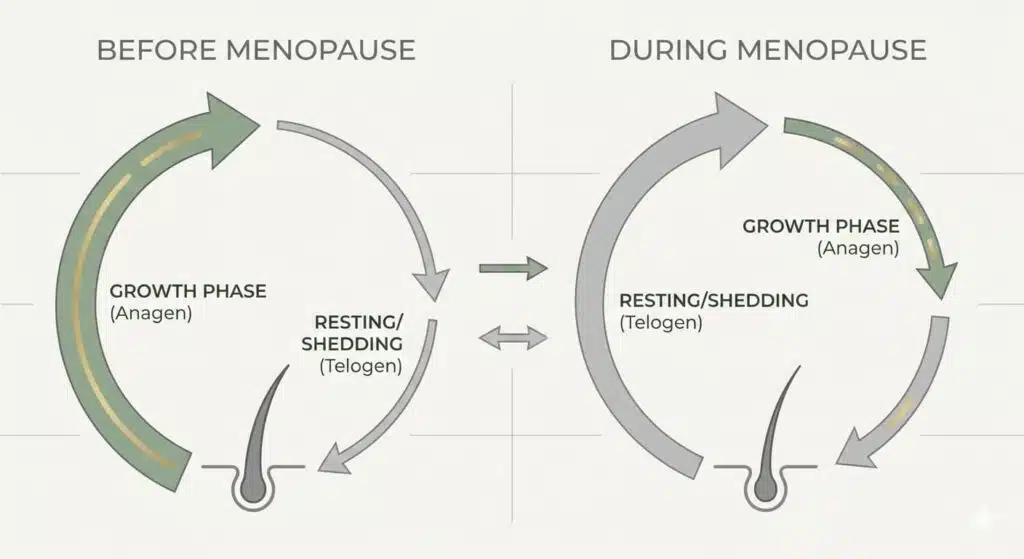
Menopause triggers significant changes in your body. Declining estrogen levels disrupt hair follicle function, leading to noticeable thinning, loss of volume, and texture changes. The hair growth cycle slows down, and follicles may miniaturize, producing finer, weaker strands.
Hormonal shifts during menopause create a higher ratio of testosterone relative to estrogen. This imbalance can shorten the growth phase of hair follicles while extending the resting phase, resulting in increased shedding and slower regrowth. Research shows that postmenopausal women with hair loss often have lower estrogen and higher androgen levels compared to those without this condition.
What is Biotin and Why Does It Matter?
Biotin, also known as vitamin B7 or vitamin H, is a water-soluble B vitamin essential for metabolizing carbohydrates, fats, and proteins into cellular energy. This nutrient plays a crucial role in keratin production, the protein that forms the structure of your hair, skin, and nails.
Your body cannot produce biotin independently, so you must obtain it through diet or supplements. While deficiency is rare in healthy individuals, certain factors common in women over 40 can increase risk:
- Long-term antibiotic use
- Antiepileptic medications
- Gastrointestinal disorders affecting nutrient absorption
- Excessive alcohol consumption
- Smoking
- Chronic stress
The Science Behind Biotin for Hair Loss in Menopause
Does biotin help with menopausal hair loss? According to a comprehensive review published in the National Institutes of Health database, biotin supplementation shows benefits primarily in individuals with documented biotin deficiency or specific underlying hair pathologies.
The same research indicates that 38% of women complaining of hair loss had biotin deficiency, though many had identifiable risk factors.
For women over 40 experiencing menopausal hair changes, the effectiveness of biotin may depend on:
- Baseline biotin levels: Supplementation helps most when deficiency exists
- Overall nutritional status: Multiple nutrient deficiencies often coexist
- Hormonal factors: Biotin alone cannot address hormonal imbalances
- Individual response: Genetic factors influence biotin metabolism
How Much Biotin Should a 40 Year Old Woman Take?
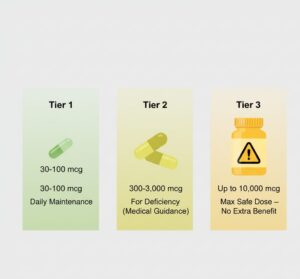
The adequate intake for biotin in adults is 30 mcg daily. However, many biotin supplements contain doses ranging from 1,000 to 10,000 mcg. While biotin is water-soluble and excess amounts are typically excreted through urine, extremely high doses may interfere with certain lab tests.
Recommended dosage guidelines for women over 40:
- For prevention: 30-100 mcg daily from diet and supplements
- For documented deficiency: 300-3,000 mcg daily under medical supervision
- Maximum safe dose: Up to 10,000 mcg daily, though benefits beyond 300 mcg remain unproven
If you are considering higher doses of biotin for hair loss, understanding proper biotin dosage recommendations becomes essential for safe and effective supplementation.
Natural Sources: Biotin Rich Foods for Women Over 40
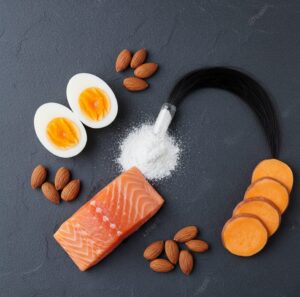
Before turning to supplements, consider increasing biotin intake through food. The best biotin supplement for women over 40 might actually be a well-balanced diet rich in these sources:
Animal-Based Sources:
- Egg yolks (10 mcg per large egg)
- Salmon and tuna (4-5 mcg per 3 oz)
- Beef liver (31 mcg per 3 oz)
- Pork chops (3-4 mcg per 3 oz)
Plant-Based Sources:
- Sweet potatoes (2.4 mcg per ½ cup)
- Almonds (1.5 mcg per ¼ cup)
- Sunflower seeds (2.6 mcg per ¼ cup)
- Spinach and broccoli (0.5 mcg per ½ cup cooked)
For a comprehensive list of foods that naturally boost your biotin intake, explore these biotin-rich foods for hair growth that can be easily incorporated into your daily meals.
Biotin Benefits Beyond Hair for Menopausal Women
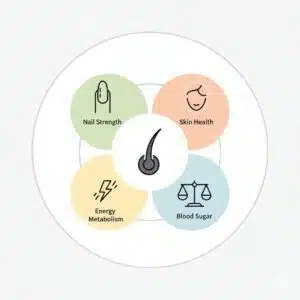
Biotin for women over 40 offers potential advantages beyond hair health:
Nail Strength Studies show biotin supplementation can reduce brittleness and increase nail thickness by up to 25%. Many menopausal women experience brittle nails alongside hair changes, making this dual benefit particularly valuable.
Skin Health Biotin supports healthy skin cell turnover and may help address dryness, a common menopausal complaint. While research is limited, some women report improved skin texture with supplementation.
Energy Metabolism As metabolism naturally slows with age, biotin’s role in converting food to energy becomes increasingly important for maintaining vitality and managing menopausal weight changes.
Blood Sugar Regulation Emerging research suggests biotin may support healthy blood sugar levels, which becomes more challenging during menopause due to hormonal fluctuations affecting insulin sensitivity.
Combining Biotin with Other Hair Loss Solutions

Can biotin reverse hair loss in menopause? Rarely on its own. The most effective approach combines multiple strategies:
Nutritional Support
- Iron supplementation if deficient (common in perimenopausal women)
- Vitamin D optimization (supports hair follicle cycling)
- Omega-3 fatty acids (reduce inflammation)
- Zinc and selenium (support thyroid function)
Topical Treatments
- Minoxidil 2-5% (FDA-approved for female pattern hair loss)
- Caffeine-based serums (may stimulate hair follicles)
- Rosemary oil (shows comparable effects to minoxidil in some studies)
Lifestyle Modifications
- Stress management through meditation or yoga
- Regular scalp massage to improve circulation
- Avoiding tight hairstyles that cause tension
- Using gentle, sulfate-free hair products
For women experiencing hair loss after pregnancy alongside menopausal changes, understanding biotin for postpartum hair loss provides additional insights into hormonal hair changes.
Biotin Side Effects in Older Women
Biotin is generally safe, but women over 40 should be aware of potential concerns:
Laboratory Test Interference High-dose biotin can cause falsely elevated or decreased results in certain blood tests, including thyroid function tests, cardiac markers, and hormone panels.
Digestive Upset Some women experience mild nausea or cramping when starting biotin supplementation, especially at higher doses. Taking biotin with food typically minimizes these effects.
Skin Reactions Rarely, biotin may cause acne breakouts or skin rashes. If this occurs, discontinue use and consult your healthcare provider.
Drug Interactions Biotin may interact with certain medications, including anticonvulsants and antibiotics. Discuss supplementation with your doctor if taking prescription medications.
Realistic Expectations: How Long Does Biotin Take to Work?
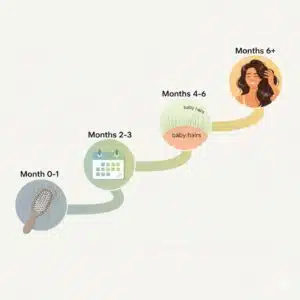
Understanding the timeline for potential results helps set realistic expectations:
First 4-6 weeks: No visible changes Hair grows approximately 0.5 inches per month. Any improvements to hair structure must grow out from the root, requiring patience.
2-3 months: Possible reduction in shedding Some women notice decreased hair fall during washing or brushing as existing hair becomes stronger.
4-6 months: Potential improvements in hair quality New hair growth may appear thicker and healthier. Nails often show improvement before hair does.
Beyond 6 months: Maximum benefits Full evaluation of biotin’s effectiveness requires at least six months of consistent use combined with other supportive measures.
Biotin vs Other Supplements for Menopausal Hair Loss
How does biotin compare to alternatives popular among women over 40?
Biotin vs Collagen Collagen supplements provide amino acids that support hair structure, while biotin facilitates keratin production. Many women benefit from both. Learn more about the differences in this detailed comparison of biotin vs collagen for hair and nails.
Biotin vs Marine Proteins Marine protein supplements contain amino acids, minerals, and antioxidants that support hair health. They may offer broader nutritional support than biotin alone.
Biotin vs Saw Palmetto Saw palmetto blocks DHT (dihydrotestosterone), addressing the hormonal component of menopausal hair loss that biotin cannot. Combining both may provide complementary benefits.
When to See a Healthcare Provider
Consult your doctor if you experience:
- Sudden, severe hair loss (more than 100 strands daily for several weeks)
- Patchy hair loss or bald spots
- Hair loss accompanied by scalp pain, burning, or itching
- Signs of hormonal imbalance (irregular periods, unexplained weight changes, mood disturbances)
- No improvement after 6 months of consistent biotin supplementation
A healthcare provider can order blood tests to check biotin levels, thyroid function, iron status, and hormone levels to identify underlying causes requiring specific treatment.
Creating a Comprehensive Hair Health Strategy
For women over 40, addressing menopausal hair loss requires a multi-faceted approach:
Step 1: Assess Your Baseline Document current hair density, texture, and shedding patterns through photos and notes. Track changes monthly.
Step 2: Optimize Nutrition Increase biotin-rich foods, ensure adequate protein intake (0.8-1.0 grams per kilogram body weight), and address any nutrient deficiencies identified through blood work.
Step 3: Consider Targeted Supplementation If dietary sources prove insufficient, add a biotin supplement (300-1,000 mcg daily) alongside a comprehensive multivitamin formulated for menopausal women.
Step 4: Support Hormonal Balance Work with your healthcare provider to address underlying hormonal imbalances through lifestyle modifications or, if appropriate, hormone replacement therapy.
Step 5: Implement Gentle Hair Care Use mild, moisturizing products, minimize heat styling, protect hair from sun damage, and avoid chemical treatments during active hair loss.
FAQ Section
Does biotin help with menopausal hair loss?
Biotin may help if you have a deficiency or underlying biotin metabolism issues. For most menopausal hair loss, which stems from hormonal changes, biotin alone provides limited benefits. It works best as part of a comprehensive approach addressing nutrition, hormones, and scalp health.
How much biotin should a 40 year old woman take daily?
The adequate intake is 30 mcg daily, obtainable through diet. If supplementing, 300-1,000 mcg daily is reasonable for hair health support. Doses exceeding 10,000 mcg offer no proven additional benefits and may interfere with lab tests. Always consult your healthcare provider before starting high-dose supplementation.
Can biotin reverse menopausal hair loss completely?
Biotin alone cannot reverse menopausal hair loss caused by hormonal changes. It may improve hair quality and reduce breakage if you are deficient, but addressing the underlying hormonal shifts requires a comprehensive approach including proper nutrition, stress management, and potentially medical treatments.
What are the best food sources of biotin for women over 40?
Egg yolks, salmon, beef liver, sweet potatoes, almonds, and sunflower seeds provide excellent biotin content. Eating a varied diet including these foods typically meets daily requirements without supplementation. Cooked eggs are better than raw, as raw egg whites contain avidin, which binds biotin and prevents absorption.
Are there side effects of taking biotin for hair loss?
Biotin is generally safe, but high doses can interfere with lab tests for thyroid function, cardiac markers, and hormone levels. Some women experience mild digestive upset or skin breakouts. Always inform healthcare providers about biotin use before blood work and discontinue supplementation 72 hours before testing. Read about Biotin side effects.
How long does biotin take to work for thinning hair?
Visible improvements typically require 4-6 months of consistent use. Hair grows slowly (approximately 0.5 inches monthly), so new, healthier hair must grow from the follicle and replace older strands. Some women notice reduced shedding within 2-3 months, while full benefits may take up to a year.
Should I take biotin if I am on PCOS treatment?
Women with PCOS may benefit from biotin supplementation as part of comprehensive management. If you have PCOS and are considering biotin, read about biotin for PCOS and its effects to understand how it interacts with this condition and whether it complements your current treatment plan.
What is the difference between biotin supplements and biotin-rich foods?
Food sources provide biotin alongside other nutrients that support absorption and hair health, including proteins, healthy fats, and minerals. Supplements offer concentrated doses but lack these complementary nutrients. A diet-first approach is generally preferable, with supplements used to fill gaps when dietary intake proves insufficient.
Can I take biotin with other vitamins for menopause?
Yes, biotin combines safely with most vitamins and minerals. Many menopausal support formulas include biotin alongside vitamin D, calcium, and B-complex vitamins. However, inform your healthcare provider about all supplements to avoid potential interactions and ensure appropriate dosing.
Is biotin safe for long-term use in older women?
Biotin is considered safe for long-term use at recommended doses (up to 10,000 mcg daily). No serious adverse effects have been documented in healthy adults. However, women over 40 should have regular health check-ups and inform healthcare providers about supplementation to prevent lab test interference.
Conclusion
Biotin for women over 40 experiencing menopausal hair loss offers potential benefits, particularly for those with documented deficiency. While biotin dosage for thinning hair in menopause typically ranges from 300-1,000 mcg daily, supplements alone cannot address the hormonal changes driving hair loss during this transition.
Before starting any supplement regimen, consult your healthcare provider to rule out underlying conditions and ensure biotin supplementation is appropriate for your individual situation. With the right approach, many women over 40 successfully manage menopausal hair loss and maintain healthy, vibrant hair through this life transition.
Related Read
Looking for more biotin insights? Check out these helpful resources: