
Does Biotin Cause Acne? Biotin Side Effects(2026 Guide)
Biotin shows up in countless hair, skin, and nail supplements but very few people talk honestly about biotin side effects, especially the question everyone wants answered:
Does biotin cause acne or breakouts?
While biotin (vitamin B7) is generally safe, high doses can cause problems for certain people — including jawline acne, hormonal breakouts, digestive issues, and lab test interference. In this guide, you’ll learn:
-
How biotin works in the body
-
Why biotin may trigger acne
-
Other common biotin side effects
-
Safe dosage
-
Alternatives to biotin
-
Who should avoid high-dose supplements
Let’s break it down clearly and scientifically.
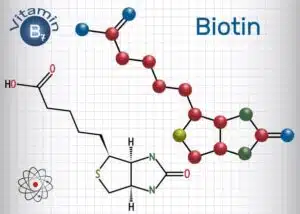
Biotin functions as vitamin B7 and people choose to take it because of its ability to improve the health of their hair, skin and nails. It functions as a vital water-soluble metabolic nutrient that helps your body transform food into energy.
The function of Biotin within the human body.
Biotin functions within the body as a member of the B-complex vitamins to transform carbohydrates fats and proteins into energy substances that the body can use. Your body receives biotin through natural sources including eggs, nuts and seeds, sweet potatoes, and spinach as well and salmon. The recommended amounts of biotin through diet satisfy the needs of most individuals.
The increasing popularity of beauty and wellness products has led people to increase their biotin consumption at levels above recommended daily allowances.
Many people take biotin supplements because they want to grow their hair faster or prevent brittle nails although biotin deficiencies are uncommon. However taking high doses without medical supervision has raised red flags, particularly regarding Biotin’s Side Effects.
Does Biotin Cause Acne? (Yes, in Some People — Here’s Why)
Biotin appears in many beauty supplements and fortified shampoos. However, one common concern that often comes up is biotin acne — whether taking high doses of biotin can lead to acne and pimples. Medical research on this subject is scarce yet patient stories and clinical feedback give weight to this potential connection.
Here’s how it may work: Your body uses common channels to absorb Biotin and Vitamin B5 (pantothenic acid). Higher doses of biotin could affect your body’s ability to typically absorb vitamin B5 which functions to manage the skin’s oil output. The decrease in B5 concentration results in pore-clogging besides higher sebum production which ultimately causes acne breakouts.
Other Common Side Effects of Biotin
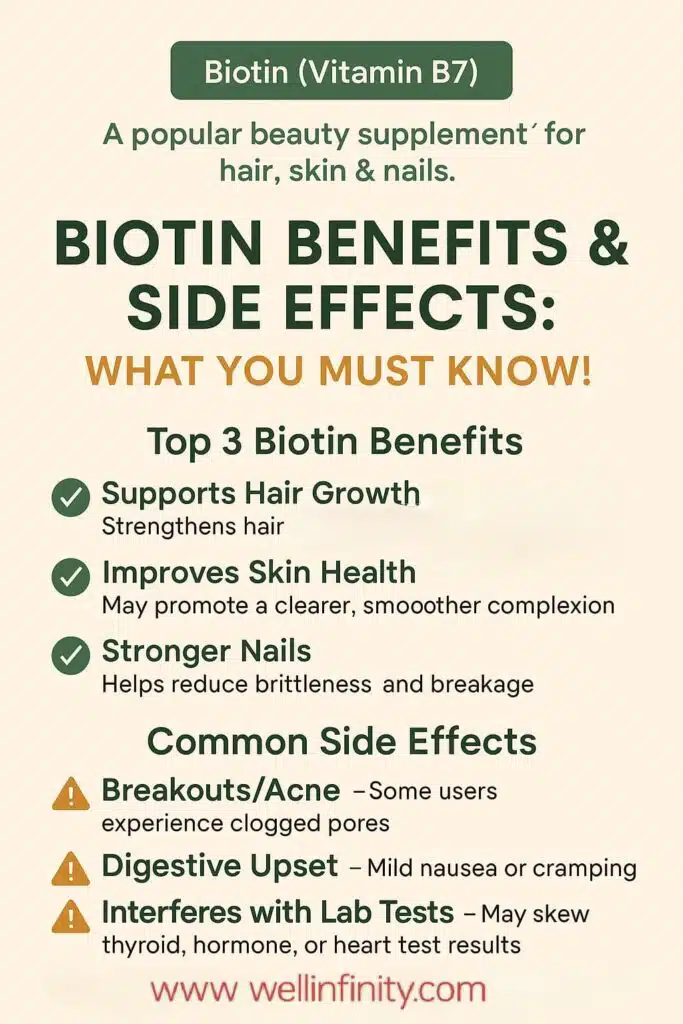
Excessive biotin intake can cause unwanted effects beyond acne.
- Some users taking vitamin B5 supplements alongside biotin may experience gastric distress, including:
- Nausea
- Cramping
- Bloating
- Certain individuals may develop skin rashes, sometimes accompanied by itchiness.
- Anaphylaxis is an extremely rare side effect.
- High doses of biotin can interfere with the accuracy of laboratory tests, such as
- Thyroid tests
- Cardiac tests
- Hormone-level exams
- This interference may lead to improper diagnosis or incorrect treatment, posing a serious health concern.
What Amount of Biotin Is Excessive?
A typical adult diet should provide 30 micrograms of biotin every day which exceeds the recommended daily amount.
Most supplements deliver between 2,500 to 10,000 micrograms of biotin in a single serving and occasionally reach even higher amounts. Daily intake requirements of the human body pale in comparison to these dramatically elevated amounts.
Daily consumption of high amounts of biotin produces significant quantities that your body struggles to eliminate it through urine thereby causing side effects.
Before starting biotin supplements you must answer for yourself what your particular reason is. Have doctors diagnosed you with deficiencies that require the supplement or do you engage in it from social media influencers?
If it’s the latter, you may be exposing yourself to unnecessary Biotin Side Effects, including skin issues and beyond.
Biotin, Hormones and Skin Health
Biotin demonstrates specific interactions with hormones throughout the human body. Research shows that biotin may alter the way your body handles hormones by influencing how your body processes nutrients.
Research shows hormonal changes trigger acne in adults which strengthens the hypothesis that biotin causes outbreaks. High doses of biotin tend to exacerbate the symptoms of PCOS (Polycystic Ovary Syndrome). It also makes existing hormonal acne more severe in women who have these conditions.
While research is still ongoing, the correlation between Biotin Side Effects and hormone-related skin changes should not be overlooked. Especially when hormonal balance is already delicate.
Biotin During Pregnancy: Is It Safe?
Biotin (Vitamin B7) is generally considered safe during pregnancy when taken at recommended dietary levels. In fact, mild biotin deficiency can occur in some pregnant women due to increased metabolic demand. The recommended adequate intake (AI) for pregnant women is 30 mcg per day, which is typically met through a balanced diet or prenatal vitamins.
However, high-dose biotin supplements (such as 5,000–10,000 mcg) are not routinely recommended during pregnancy unless prescribed by a healthcare provider. Excessive biotin may interfere with certain laboratory tests, including thyroid and cardiac markers, which can be particularly important during pregnancy monitoring. For this reason, pregnant women should avoid high-dose supplements unless medically advised.
If you are pregnant or trying to conceive and considering biotin supplementation for hair, skin, or nail benefits, it’s best to consult your doctor to determine the appropriate dosage.
Case Studies and Research
1. Biotin and Brittle Nails
Clinical research suggests biotin may help improve nail strength in individuals with brittle nail syndrome. A study published in Cutis reported that patients who took 2.5 mg (2,500 mcg) of biotin daily experienced approximately a 25% increase in nail thickness after several months of supplementation. Additional findings using electron microscopy showed improvements in nail firmness and structural integrity.
These studies suggest that biotin supplementation may benefit individuals with fragile or splitting nails.
Sources:
-
Hochman LG, Scher RK, Meyerson MS. Brittle nails: response to daily biotin supplementation. Cutis. 1993.
https://pubmed.ncbi.nlm.nih.gov/8477615/
2. Biotin and Hair Growth
Biotin deficiency is rare, but when present, it can contribute to hair thinning and hair loss. A review published in Skin Appendage Disorders found that individuals with documented biotin deficiency showed clinical improvement in hair growth after supplementation. However, researchers emphasize that there is limited evidence supporting biotin supplementation for hair growth in individuals without deficiency.
In other words, biotin may help correct hair loss caused by deficiency, but it is not proven to boost hair growth in people with normal biotin levels.
Source:
-
Patel DP, Swink SM, Castelo-Soccio L. A Review of the Use of Biotin for Hair Loss. Skin Appendage Disord. 2017.
https://www.karger.com/Article/FullText/462981
3. Biotin and Laboratory Test Interference
One of the most clinically significant concerns with high-dose biotin supplementation (typically 5,000–10,000 mcg per day or more) is interference with laboratory tests.
Research published in The Journal of Clinical Endocrinology & Metabolism and safety communications from the U.S. FDA confirm that high-dose biotin can interfere with:
-
Thyroid hormone tests (TSH, T3, T4)
-
Troponin (a marker used to diagnose heart attacks)
-
Hormone and immunoassay-based blood tests
This interference can lead to false lab results, potentially causing misdiagnosis or inappropriate treatment decisions.
Sources:
-
Elston MS et al. Factitious Graves’ disease due to biotin immunoassay interference. J Clin Endocrinol Metab. 2016.
https://academic.oup.com/jcem/article/101/9/3251/2765003
4. High-Dose Biotin in Neurological Conditions (Multiple Sclerosis)
High-dose biotin has been studied in patients with progressive multiple sclerosis (MS). The MS-SPI trial (2016) evaluated very high doses (100–300 mg per day) — far higher than typical supplement doses — and reported that some participants experienced improvement in disability progression and mobility.
However, these findings are specific to MS treatment under medical supervision and do not apply to routine biotin supplementation for hair, skin, or nails.
Sources:
-
Tourbah A et al. MD1003 (high-dose biotin) in progressive multiple sclerosis: A randomized, double-blind, placebo-controlled study (MS-SPI). Mult Scler. 2016.
https://pubmed.ncbi.nlm.nih.gov/27589050/
Biotin Side Effects: Why People with Acne, Hormonal Imbalances, or Sensitive Digestion Should Be Cautious.
Every person faces different risks from biotin intake although some people experience these side effects more profoundly. People with a background of acne-prone skin and hormone irregularities should exercise great care when using biotin supplements.
Biotin supplements at high doses should be restricted to patients with epilepsy and other individuals who need accurate hormone and thyroid testing unless receiving medical approval.
Biotin supplements often are prescribed to expectant and breastfeeding women but medical supervision must always be present. Understanding your health profile and speaking with a healthcare provider before starting any new supplement is crucial to avoiding adverse Biotin Side Effects.
Natural Alternatives to Biotin for Skin and Hair Health.
You don’t need to discontinue biotin when experiencing side effects. Multiple natural alternatives exist to support healthy hair and skin without the risks.
Omega-3 Fatty Acids
- Fish oil and flaxseed contain omega-3 fatty acids
- Act as powerful anti-inflammatory agents
- Support scalp health and skin vitality
- Reduce inflammation without triggering breakouts
Alternative Supplement Options
- Zinc supplements – support hair growth without acne concerns
- Vitamin D – promotes follicle health and skin regeneration
- Collagen – strengthens hair structure and skin elasticity
- These alternatives provide similar benefits to biotin without the associated side effects
Lifestyle-Based Solutions
✓ Whole food diet – nutrient-rich foods naturally support hair and skin
✓ Proper hydration – maintains skin moisture and scalp health
✓ Quality sleep hygiene – allows cellular repair and regeneration ✓ Stress management – reduces cortisol impact on hair loss
Food Sources of Biotin
Biotin is present in both plant-based and animal foods. Good dietary sources include:
- Eggs (especially the yolk)
- Almonds, walnuts, peanuts
- Sunflower seeds
- Salmon and sardines
- Sweet potatoes
- Spinach and broccoli
- Mushrooms
- Legumes
A balanced diet rich in whole foods usually provides enough biotin for most people, meaning supplementation is often unnecessary unless prescribed.
When to See a Dermatologist
- Severe skin reactions from biotin supplements require immediate medical attention
- Persistent acne that doesn’t improve after reducing biotin intake
- Worsening skin conditions despite stopping supplementation
- Skin issues affecting your confidence and daily life
Professional Treatment Recommendations
- Dosage adjustment – lower your biotin consumption gradually
- Product switching – select alternative supplements better suited to your skin type
- Targeted skincare – use specific acne-control products during transition
- Monitoring plan – track skin changes as your body readjusts
Recovery Timeline
- Dermatologists prescribe skincare products to manage acne symptoms
- Treatment continues until your body returns to normal hormone balance
- Regular follow-ups ensure proper healing and prevention
Important: Biotin side effects should be taken seriously, especially when they impact your confidence and skin health. Professional guidance ensures safe, effective solutions tailored to your needs.
How Much Biotin Should You Take Per Day?
If you’re wondering how much biotin you should take daily, the recommended intake depends on age and life stage. The current Adequate Intake (AI) levels are:
-
Infants (0–12 months): 5–6 mcg per day
-
Children (1–13 years): 8–12 mcg per day
-
Adolescents (14–18 years): 20–25 mcg per day
-
Adults (19+ years): 30 mcg per day
-
Pregnant women: 30 mcg per day
-
Breastfeeding women: 35 mcg per day
For most healthy adults, 30 mcg per day is considered sufficient to meet basic nutritional needs.
Is 5,000 or 10,000 mcg of Biotin Too Much?
Many hair and nail supplements contain 5,000 to 10,000 mcg of biotin, which is significantly higher than the recommended daily intake. While biotin is a water-soluble vitamin and excess amounts are typically excreted in urine, high doses are not always necessary unless prescribed by a healthcare provider.
Currently, there is no established upper limit (UL) for biotin due to its low toxicity risk. However, very high doses (especially 10,000 mcg or more) may:
-
Interfere with lab tests, including thyroid and heart tests
-
Potentially increase the likelihood of side effects in some individuals
If you’re unsure how much biotin is safe for you, it’s best to consult a healthcare professional especially if you are pregnant, breastfeeding, or undergoing blood tests.
How Many Biotin Pills Should You Take?
The number of pills depends on the dosage per tablet. For example:
-
If one pill contains 1,000 mcg, taking one daily already exceeds the recommended 30 mcg intake.
-
If one pill contains 5,000 mcg, that is considered a high-dose supplement.
Always check the label and choose a dosage based on your individual needs rather than assuming more is better.
Final Thought: Balancing the Benefits and Biotin Side Effects Before You Decide
The world of supplements includes biotin as a useful dietary supplement for individuals diagnosed with medical biotin deficiencies.
Biotin gives limited enhancements for hair and nails yet presents genuine dangers that lead to acne breakouts as well as digestive system disturbances and potential disruptions to laboratory testing outcomes.

Key Takeaways
- Biotin is an essential B vitamin important for hair, skin, nail, and energy metabolism.
- Deficiency is rare but can occur due to genetics, medications, or dietary imbalances.
- Supplementation may benefit individuals with deficiency, brittle nails, or certain medical conditions.
- High-dose biotin can interfere with lab tests, so professional advice is crucial before starting supplements.
- A balanced diet usually provides enough biotin naturally.
FAQs
How Long Does It Take for Acne to Go Away After Stopping Biotin?
Most people notice their acne starting to clear within two to four weeks after stopping biotin. However, the exact timeline can differ depending on your skin type, hormone balance, and overall health.
How much biotin is safe per day?
The recommended daily intake for adults is 30 mcg. Most supplements contain 2,500–10,000 mcg, far above daily needs. For safety, consult your doctor before taking more than the recommended dose.
Is It Safe to Take Multivitamins with Biotin If I Had Acne Before?
Consumers should select multivitamins that contain small amounts of biotin close to the daily recommendation of 30 mcg. Excessively high doses are more likely to cause Biotin Side Effects like acne. Refer to product labels and consult a doctor when you need advice.
How long do Biotin breakouts last?
Biotin-related breakouts usually improve within 1–2 weeks after reducing the dose or stopping supplements. If pimples persist, it may not be due to biotin and you should consult a dermatologist
Is it safe to take biotin if I have acne?
Safer to avoid high-dose supplements. Choose low-dose multivitamins or alternatives like omega-3, zinc, or collagen.
Does biotin cause jawline acne specifically?
Yes, biotin-related acne commonly appears on the jawline and chin because these areas are more sensitive to hormonal changes. When biotin interferes with vitamin B5 absorption, it increases oil production particularly in hormone-sensitive zones like the lower face.
Does biotin cause chin acne?
Yes, chin acne is one of the most common locations for biotin-related breakouts. Many people report sudden chin breakouts within 2-4 weeks of starting high-dose biotin supplements (5,000+ mcg).
How much biotin causes acne?
Acne from biotin typically occurs at doses of 2,500 mcg (2.5 mg) or higher, with risk increasing significantly at 5,000-10,000 mcg doses commonly found in hair and nail supplements. The recommended daily intake is only 30 mcg, so supplements contain 80-300+ times the necessary amount. How Much Biotin Should I Take Daily? Complete Dosage Guide
Can biotin gummies cause acne more than pills?
Biotin gummies and pills contain the same active ingredient, so both can cause acne if the dosage is high (typically 5,000+ mcg). However, some gummy formulations contain added sugars (2-5g per serving) and artificial ingredients that may independently worsen breakouts in acne-prone individuals.
Read in detail in this blog, Pills vs Gummies Compared
Does hair, skin, and nail vitamins cause acne?
Yes, many “hair, skin, and nail” vitamins cause acne because they typically contain high doses of biotin (5,000-10,000 mcg) as their primary active ingredient. Consider alternatives like collagen peptides (5-10g daily), silica supplements, or keratin-based formulas that don’t rely on high-dose biotin for hair and nail benefits.
Biotin for Brittle Nails: Benefits and Results Timeline
How can I prevent biotin acne?
The most effective prevention is limiting biotin to 100-300 mcg daily (close to the 30 mcg RDA) rather than the 5,000-10,000 mcg in typical supplements.
Can teenagers safely take biotin or will it cause acne?
Teenagers are particularly susceptible to biotin-induced breakouts because they already experience hormonal fluctuations that increase sebum production and acne risk. High-dose biotin supplements (5,000+ mcg) can compound teenage acne problems by further disrupting oil regulation through vitamin B5 interference. Is Biotin Safe for Teenagers? Parent’s Guide
Does biotin affect hormonal acne or PCOS acne differently?
Yes, people with PCOS (Polycystic Ovary Syndrome) or existing hormonal acne are significantly more vulnerable to biotin-induced breakouts. Women with hormonal acne typically experience worse breakouts along the jawline, chin, and neck when taking biotin—areas already prone to hormonal flare-ups.
Get more knowledge from this blog. Biotin for PCOS: Does It Help or Make It Worse?
Can natural food sources of biotin cause acne?
No, dietary biotin from whole foods (eggs, almonds, salmon, sweet potatoes, spinach) rarely causes acne because amounts are much lower than supplements—typically 5-35 mcg per serving versus 2,500-10,000 mcg in pills. Read in detail Top 15 Biotin Rich Foods for Hair Growth Naturally
Can you take biotin while pregnant?
Yes, biotin is safe in recommended dietary amounts (around 30 mcg daily). Most prenatal vitamins already contain sufficient biotin.
More is discussed deeply in Biotin During Pregnancy: Is It Safe?