
Do Biotin Gummies Actually Work? Pills vs Gummies Compared
You see biotin gummies everywhere on social media and influencers promoting them. But do biotin gummies actually work, or are they just a hype? If you keep worrying about whether to buy gummies or pills, you are not alone in this. In this guide, we will break down the reality between gummies and pills, and whether they are even worth your money specially for hair growth.
Understanding Biotin Supplement Forms
Biotin, also known as vitamin B7, comes in multiple supplement forms, each with distinct characteristics affecting absorption, convenience, and effectiveness.
Available Biotin Formats:
- Gummies (gelatin or pectin-based chewables)
- Pills/tablets (compressed powder form)
- Capsules (powdered biotin in gelatin or vegetable shells)
- Liquid drops (biotin dissolved in liquid base)
- Sublingual tablets (dissolve under tongue)
The two most popular formats remain gummies and traditional pills, creating ongoing debate about which supplement delivers better results for hair, skin, and nail health.
What Are Biotin Gummies Made Of?
Biotin gummies resemble candy more than medicine, which explains their surging popularity. These chewable supplements combine biotin with other ingredients, creating a palatable experience.
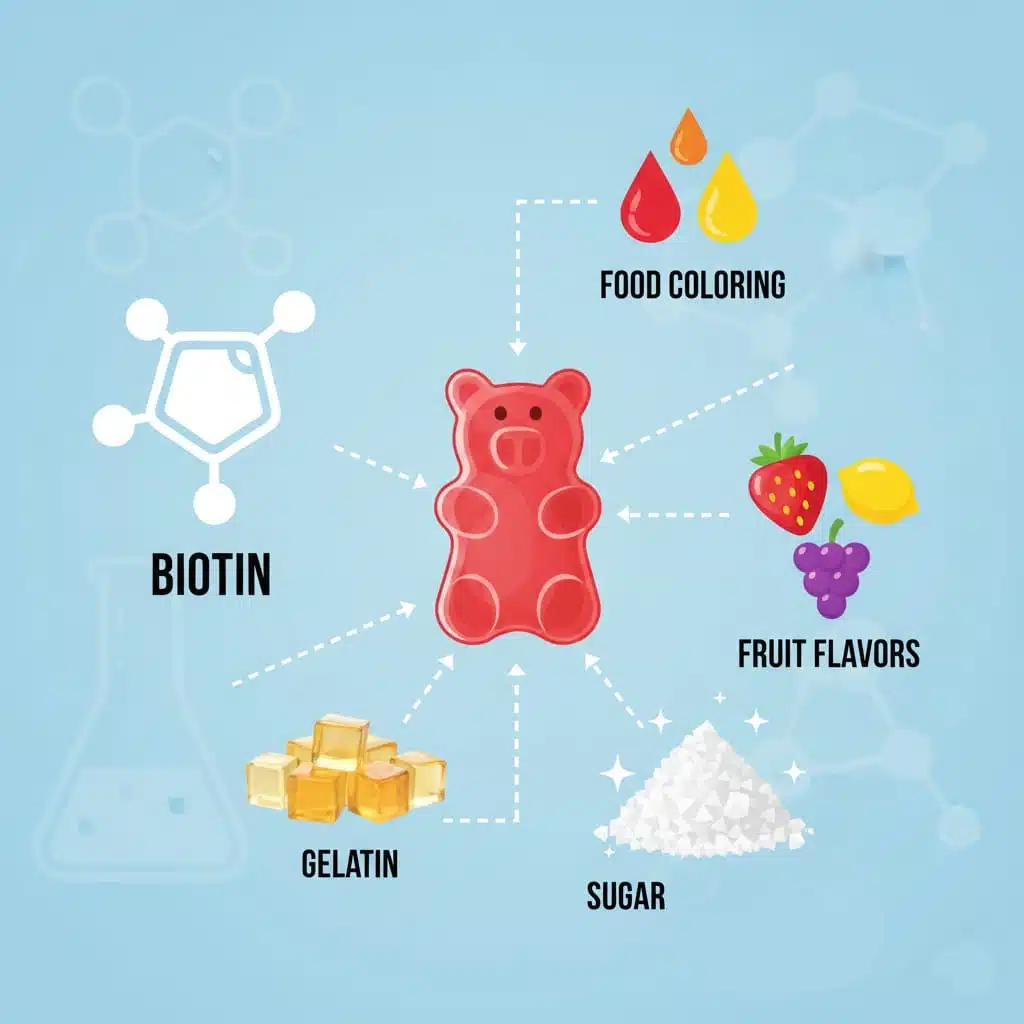
Biotin Gummy Composition:
- Active ingredient: Biotin (typically 1,000 to 10,000 mcg)
- Base: Gelatin (animal-derived) or pectin (plant-based)
- Sweeteners: Sugar, corn syrup, or sugar alcohols
- Flavorings: Natural or artificial fruit flavors
- Colorings: Food dyes or vegetable juices
- Preservatives: To extend shelf life
Most gummies contain 2 to 8 grams of sugar per serving, though sugar-free options using alternative sweeteners have become increasingly available.
Do Biotin Gummies Actually Work? The Scientific Evidence
The critical question: are biotin gummies effective for hair, skin, and nail health? Research reveals surprising findings about their actual effectiveness.
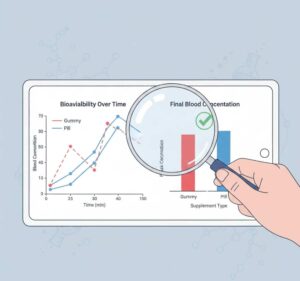
According to a 2019 study published in the National Institutes of Health, vitamin D3 gummies demonstrated greater bioavailability than tablets, with higher vitamin concentrations achieved over 48 hours. The study found that gummies began breaking down in the mouth through salivary enzymes, potentially leading to faster and more complete absorption.
A subsequent bioequivalence study examining multiple vitamins found that for vitamin E and B12, both gummy and tablet formulations showed similar absorption. However, folate absorption occurred more rapidly with gummy formulations, though final concentrations remained comparable.
Key Research Findings on Gummy Effectiveness:
- Gummies may offer slightly better bioavailability for some vitamins
- Chewing initiates earlier digestion compared to swallowed pills
- Absorption differences vary by specific vitamin or mineral
- Final blood concentrations often remain similar between formats
For biotin specifically, limited direct comparison studies exist. However, as a water-soluble B vitamin similar to those studied, biotin likely demonstrates comparable absorption patterns whether consumed as gummies or pills.
The Truth About Biotin Gummies for Hair Growth
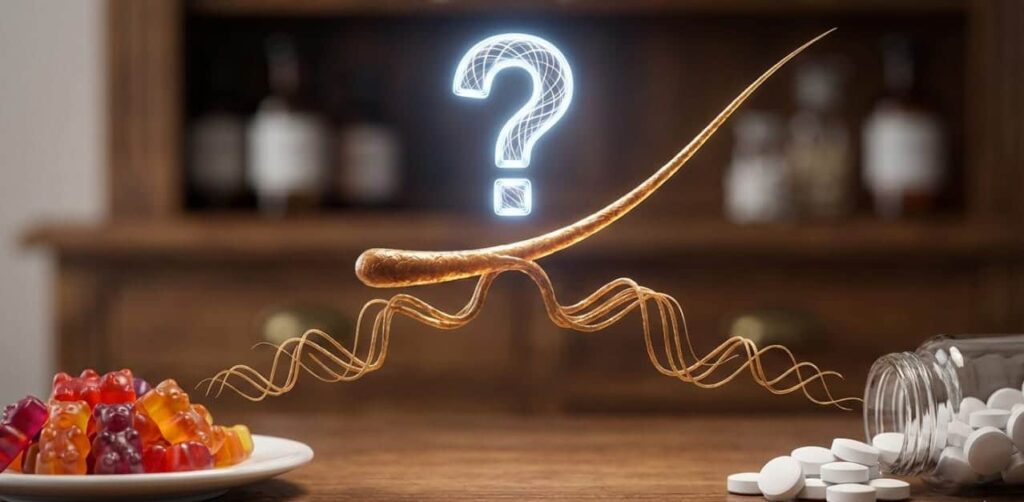
Do biotin gummies work for hair growth specifically? The answer depends more on your baseline biotin status than supplement format.
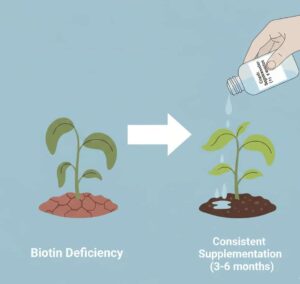
Research consistently shows biotin supplementation helps hair growth primarily when documented deficiency exists. According to a comprehensive review, 38% of women experiencing hair loss had biotin deficiency, though many had identifiable risk factors.
Hair Growth Reality Check:
- Biotin only improves hair if you are deficient
- Most people get adequate biotin from diet alone
- Hair growth requires 3-6 months of consistent supplementation
- Gummies work no better than pills for the same biotin dose
- Compliance matters more than format for achieving results
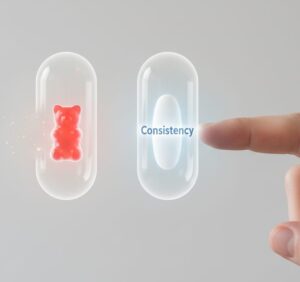
If gummies’ pleasant taste means you actually take them daily, their effectiveness increases through consistency alone. However, the biotin itself works identically whether delivered via gummy or pill.
Understanding proper biotin dosage for hair growth matters more than choosing between gummies and pills, as effectiveness depends on appropriate intake levels.
Biotin Pills vs Gummies: Side-by-Side Comparison
| Factor | Gummies | Pills/Tablets |
| Effectiveness | Equal to pills at same dose | Equal to gummies at same dose |
| Taste | Pleasant, candy-like | Neutral or slightly bitter |
| Ease of Use | Easy to chew, no water needed | Requires swallowing, water helpful |
| Sugar Content | 2-8g per serving (unless sugar-free) | Typically zero |
| Calories | 10-25 per serving | 0-5 per serving |
| Price | 30-50% more expensive | More affordable |
| Absorption Rate | Slightly faster initial absorption | Slower but complete absorption |
| Shelf Stability | Less stable, degrades faster | More stable, longer shelf life |
| Dosage Accuracy | Variable due to manufacturing | More consistent dosing |
| Additives | Many (sweeteners, flavors, colors) | Minimal binding agents |
Advantages of Biotin Gummies
Despite potential drawbacks, gummies offer specific benefits making them attractive supplement choices for certain people.
Why People Choose Gummies:
- Improved compliance: Pleasant taste encourages daily consistency
- Easier swallowing: Ideal for those who struggle with pills
- Portable convenience: No water required for consumption
- Appealing to resistant users: Makes supplementation less challenging
- Potentially faster absorption: Earlier digestive breakdown
- Multiple vitamin combinations: Often include complementary nutrients
As most teenagers and adults dislike pills, they only consume gummies as they can stay consistent. Learn more about biotin safety for teenagers if considering gummies for young people.
Disadvantages of Biotin Gummies: What Research Shows
Understanding gummy limitations helps set realistic expectations and identify potential concerns.
Gummy Drawbacks Supported by Evidence:
Sugar Content Concerns Most gummies contain 2-8 grams of sugar per serving. Consuming multiple gummy supplements daily could significantly impact daily sugar intake, particularly concerning for those monitoring blood glucose or following low-sugar diets.
Dosage Inconsistency According to UCLA Health, gummy vitamins have limited shelf life and become less potent over time. Manufacturers often add extra vitamins to compensate for degradation, meaning new bottles may contain more biotin than labeled, while older bottles provide less.
Risk of Overconsumption Gummies taste like candy, creating temptation to exceed recommended doses. While biotin toxicity is rare due to its water-soluble nature, consuming excessive amounts wastes money and may interfere with laboratory test results.
Higher Cost Gummy supplements typically cost 30-50% more than equivalent pill formulations due to additional manufacturing complexity and ingredients.
Additional Additives Artificial colors, flavors, and preservatives in gummies may concern those avoiding unnecessary chemicals or following clean eating principles.
When Biotin Pills Make More Sense
Traditional pill formats offer distinct benefits particularly appealing to budget-conscious consumers or those prioritizing purity.
Pill Advantages:
- Cost-effective: Lower price per dose than gummies
- Accurate dosing: More consistent biotin content per pill
- Longer shelf life: Maintains potency for extended periods
- No added sugar: Zero calorie impact from sweeteners
- Fewer additives: Minimal unnecessary ingredients
- Higher dose options: Available in wider concentration ranges
- Better for sensitive individuals: Less likely to trigger reactions
For those already comfortable swallowing pills or taking multiple supplements, biotin tablets represent an economical and straightforward choice. Understanding when to take biotin matters more than format for optimizing absorption.
Are Biotin Gummies Worth the Extra Cost?
Cost analysis reveals significant price differences over time, especially for long-term supplementation required to see biotin benefits.
Average Price Comparison (60-day supply at 5,000 mcg):
- Biotin gummies: $15-25
- Biotin pills: $8-15
Annual Supplementation Costs:
- Gummies: $90-150 per year
- Pills: $48-90 per year
Pills typically offer 30-50% cost savings compared to gummies with equivalent biotin content. For budget-conscious consumers or those taking multiple supplements, these savings accumulate meaningfully over time.
Do Biotin Gummies Have More Side Effects Than Pills?
Biotin gummies and pills share similar side effects related to biotin itself, but gummies introduce additional concerns from their unique ingredients.
Biotin-Related Side Effects (Both Formats):
- Digestive upset when taken on empty stomach
- Potential skin reactions or acne in sensitive individuals
- Laboratory test interference at high doses
- Rare allergic reactions to biotin itself
Gummy-Specific Concerns:
- Blood sugar spikes from sugar content
- Dental issues from sticky, sugary coating
- Digestive discomfort from sugar alcohols (sugar-free versions)
- Allergic reactions to gelatin, dyes, or flavorings
For comprehensive information about biotin reactions, explore details on biotin side effects and skin concerns before starting supplementation.
Special Populations: Who Benefits Most from Gummies?
Different groups may benefit more from specific formats based on unique needs or circumstances.
Gummies Work Best For:
- Children and teenagers resistant to pill swallowing
- Adults with dysphagia or throat sensitivity
- People who frequently forget supplements (taste encourages compliance)
- Those taking few other supplements (sugar content less concerning)
- Individuals who travel frequently (portable, no water needed)
- Anyone with strong pill aversion affecting compliance
Pills Work Best For:
- People watching sugar intake or managing diabetes
- Those on weight loss journeys (fewer calories)
- Budget-conscious consumers seeking cost savings
- Individuals comfortable swallowing pills
- People already taking multiple supplements daily
- Anyone prioritizing supplement purity and minimal additives
Quality Matters More Than Format
Regardless of choosing gummies or pills, supplement quality dramatically impacts whether biotin gummies actually work as promised.
Quality Indicators to Check:
- Third-party testing certification (USP, NSF, or ConsumerLab)
- Clear labeling with specific biotin content per serving
- Reputable manufacturer with transparent practices
- Good Manufacturing Practices (GMP) certification
- Expiration date clearly marked and current
- No recalls or FDA warnings
Low-quality supplements may contain less biotin than labeled, include contaminating substances, or fail to dissolve properly in the digestive system, rendering them ineffective regardless of format.
Combining Diet with Biotin Supplements
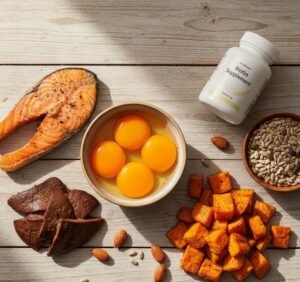
Whether choosing gummies or pills, whole food sources provide biotin alongside complementary nutrients supporting overall health.
Top Dietary Biotin Sources:
- Egg yolks: 10 mcg per large egg
- Beef liver: 31 mcg per 3 oz
- Salmon: 4-5 mcg per 3 oz
- Sweet potatoes: 2.4 mcg per half cup
- Almonds: 1.5 mcg per quarter cup
- Sunflower seeds: 2.6 mcg per quarter cup
Discover more biotin-rich foods for natural hair growth to complement supplementation and ensure adequate intake without relying solely on gummies or pills.
The Verdict: Do Biotin Gummies Actually Work?
Yes, biotin gummies actually work when they contain adequate biotin and you take them consistently. However, they work no better than pills at equivalent doses. The gummy format does not enhance biotin’s biological activity or effectiveness for hair, skin, or nail health.
Key Takeaways:
- Gummies and pills deliver biotin equally effectively at the same dose
- Gummies may absorb slightly faster but reach similar blood levels
- Format choice should prioritize consistency and personal preference
- Quality and compliance matter more than gummy vs pill debate
- Cost, sugar content, and dietary restrictions influence best choice
The most effective biotin supplement is whichever format you will actually take every single day for months. If gummies’ pleasant taste ensures compliance while pills sit forgotten in your cabinet, gummies represent the better choice despite higher cost and added sugar.
FAQ Section
Do biotin gummies actually work for hair growth?
Yes, biotin gummies work for hair growth when you have biotin deficiency and take them consistently for 3-6 months. However, they work no better than pills at the same biotin dose. The gummy format itself does not enhance effectiveness. Most people with adequate biotin levels will see minimal hair improvement from either format.
Are biotin gummies as effective as pills?
Yes, biotin gummies are equally effective as pills when both contain the same biotin dose and are manufactured properly. Research shows gummies may offer slightly faster initial absorption, but final biotin levels in the bloodstream remain comparable. The format you take consistently matters more than minor absorption differences.
How long does it take for biotin gummies to work?
Biotin gummies require 3-6 months of daily use to produce noticeable improvements in hair, skin, or nail health. Some people notice reduced hair shedding after 2-3 months, while visible growth improvements typically appear after 4-6 months. This timeline applies equally to pills and gummies.
Do biotin gummies have side effects?
Yes, biotin gummies can cause side effects including digestive upset, potential acne breakouts, and laboratory test interference at high doses. Gummies specifically may cause blood sugar spikes from sugar content, dental issues from sticky coating, or reactions to artificial colors and flavors not present in pills.
Are sugar-free biotin gummies better?
Sugar-free biotin gummies eliminate concerns about blood sugar spikes and dental issues but often use sugar alcohols that may cause digestive discomfort in sensitive individuals. They cost slightly more than regular gummies but remain more expensive than pills.
Can I take biotin gummies with other vitamins?
Yes, you can take biotin gummies with most other vitamins safely. However, consider total sugar and calorie intake if taking multiple gummy supplements daily. Space biotin at least 2 hours from high-dose calcium, magnesium, or zinc to avoid absorption competition.
How much biotin is in gummies compared to pills?
Biotin content varies widely in both formats, typically ranging from 1,000 to 10,000 mcg per serving. Pills often offer more dosage flexibility with options from 100 mcg to 10,000 mcg, while gummies commonly contain 2,500 to 10,000 mcg. Always check product labels as concentration varies significantly between brands.
Are biotin gummies worth the extra money?
Biotin gummies are worth extra cost only if their taste and convenience significantly improve your compliance compared to pills. If you comfortably take pills and want to minimize sugar intake and cost, traditional tablets offer better value.
Do dermatologists recommend biotin gummies?
Most dermatologists recommend biotin supplementation only when deficiency is documented through testing. They typically suggest pills over gummies due to lower cost, no added sugar, and more consistent dosing. Gummies may be recommended for patients who refuse pills or have swallowing difficulties affecting compliance.
Can biotin gummies cause weight gain?
Biotin itself does not cause weight gain, but gummy supplements containing 2-8 grams of sugar per serving add 10-25 calories daily. Taking multiple gummy supplements could contribute modest calorie increases over time. Sugar-free gummies or pills eliminate this concern entirely while delivering identical biotin benefits.
Conclusion:
Do biotin gummies actually work? Yes, if taken correctly and consistently. Although no additional effectiveness is noted as compared to pills. Both pills and gummies achieve the same final biotin levels for hair, skin and nails.
The choice between gummies and pills should be prioritized over consistency, cost and dietary preferences. Pills are mostly selected by budget-conscious customers and people who need to avoid extra sugar intake.
Main focus should always be selecting a reputable manufacturer, taking appropriate doses, being consistent, setting realistic expectations from biotin results and combining supplementation with biotin-rich foods.
Related Read
Explore more biotin information to optimize your supplementation strategy:
- How Much Biotin Should I Take Daily? Complete Dosage Guide
- Biotin Deficiency: Signs You Might Not Be Getting Enough
- Best Time to Take Biotin: Morning vs Night
- Is Biotin Safe for Teenagers? Parent’s Guide
- Biotin Side Effects: Does Biotin Cause Acne & Breakouts?
- Top 15 Biotin Rich Foods for Hair Growth Naturally