
Is Kojic Acid Safe for Daily Use? Expert Guide 2026
Yes, kojic acid is generally safe for daily use when applied at concentrations of 1-2% and when your skin shows no signs of irritation. However, daily application requires proper precautions, including sunscreen use and monitoring your skin’s response.
I’ve learned that kojic acid’s effectiveness lies in its ability to inhibit tyrosinase, the enzyme responsible for melanin production. But effectiveness means nothing without safety, which is why I’m sharing evidence-based guidance on incorporating this powerful ingredient into your daily routine.
I’ll walk you through the science, proper usage protocols, potential risks, and personalized strategies based on real-world results I’ve witnessed. My goal is to help you make informed decisions about whether daily kojic acid use aligns with your skin’s needs and your skincare goals.
What Makes Kojic Acid Effective for Skin?
Kojic acid works by blocking tyrosinase, the enzyme responsible for melanin production in your skin. This mechanism makes it particularly effective for:
- Reducing hyperpigmentation and dark spots
- Evening out skin tone across your face and body
- Fading melasma patches and sun damage
- Lightening acne scars and post-inflammatory marks
- Preventing new dark spots from forming
The ingredient originates from certain fungi during the fermentation process of rice wine and soy sauce. Its natural origin doesn’t automatically mean it’s gentle, which is why I emphasize understanding proper daily use protocols.
Is Kojic Acid Safe for Daily Use? Key Factors
Daily use of safety depends on several critical factors that determine whether your skin will benefit or experience adverse effects.
Concentration Levels Matter Most
The concentration of kojic acid in your product directly impacts safety:
| Concentration | Strength Level | Suitable For | Daily Use Safety |
| 0.5-1% | Gentle | Sensitive skin, beginners | ✓ Safe for daily use |
| 1-2% | Standard | Most skin types | ✓ Safe with monitoring |
| 2-4% | Professional | Normal/oily skin only | ⚠️ Requires careful monitoring |
| Above 4% | Clinical | Dermatological treatments | ✗ Not for daily home use |
Safe percentage of kojic acid guidelines recommend starting with lower concentrations before advancing to stronger formulations.
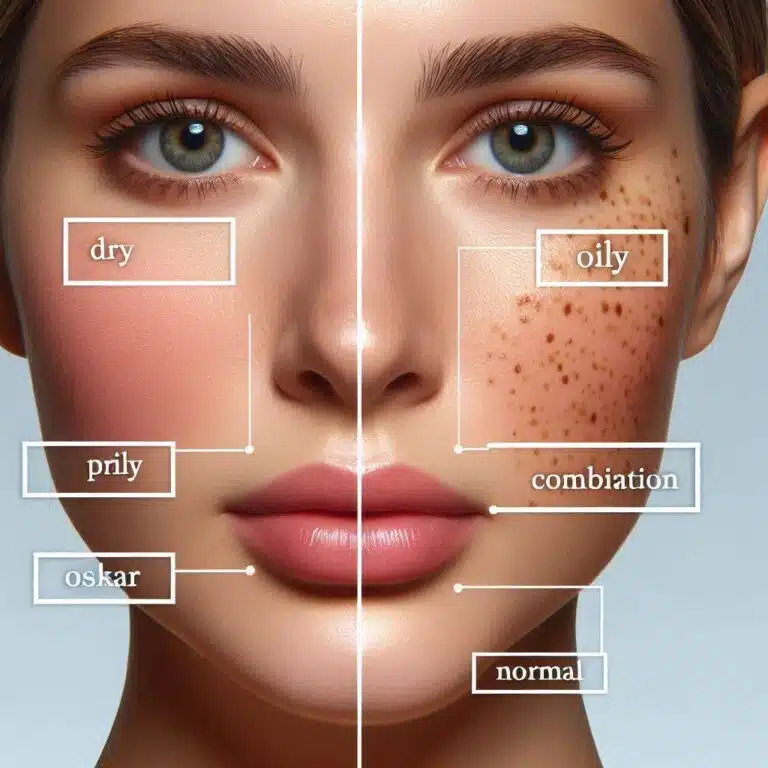
Your Skin Type Determines Tolerance
Different skin types respond differently to daily kojic acid application:
Normal to Oily Skin:
- ✓ Generally tolerates daily use well
- ✓ Can handle 1-2% concentrations
- ✓ Lower risk of irritation
- ✓ Results visible within 4-6 weeks
Dry or Sensitive Skin:
- ⚠️ May require every-other-day application
- ⚠️ Should start with 0.5-1% concentration
- ⚠️ Higher risk of dryness and irritation
- ⚠️ Needs extra moisturizing support
Combination Skin:
- Apply to affected areas only
- Monitor the T-zone for excess dryness
- Adjust frequency based on response
- Use lighter formulations in oily zones
Mature Skin:
- Benefits from 1% concentration
- Requires additional hydration
- May need a longer adjustment period
- Responds well with proper barrier support
Potential Side Effects of Daily Kojic Acid Use
Understanding possible side effects helps you use kojic acid safely and recognize when to adjust your routine.
Common Side Effects
Mild Irritation:
- Redness in application areas
- Slight tingling sensation
- Temporary warmth on skin
- Usually subsides within 5-10 minutes
Dryness and Flaking:
- Tight feeling after application
- Peeling in treated areas
- Need for increased moisturization
- More common in first 2 weeks
Contact Dermatitis:
- Itching and discomfort
- Small bumps or rashes
- Allergic reactions in rare cases
- Affects approximately 2-3% of users
Research published in the Journal of Dermatological Science indicates that approximately 2-3% of users experience contact dermatitis from kojic acid products. Learn more about kojic acid skin reactions from clinical studies.
Serious Concerns to Monitor
Can kojic acid burn skin? While rare, severe reactions can occur with:
- Prolonged exposure to high concentrations
- Damaged skin barrier before application
- Combination with strong acids without proper spacing
- Excessive sun exposure without protection
- Ignoring early warning signs of intolerance
How to Use Kojic Acid Daily Safely
Following proper application techniques maximizes benefits while minimizing risks.
Step-by-Step Daily Application
Morning Routine:
- Cleanse face with a gentle, pH-balanced cleanser
- Pat skin dry, leaving it slightly damp
- Apply 2-3 drops of kojic acid serum or a pea-sized amount of cream
- Wait 2-3 minutes for complete absorption
- Layer lightweight, non-comedogenic moisturizer
- Apply SPF 30+ broad-spectrum sunscreen (absolutely non-negotiable)
- Reapply sunscreen every 2 hours if outdoors
Evening Routine:
- Double cleanse to remove sunscreen, makeup, and daily buildup
- Apply kojic acid treatment to clean, dry skin
- Wait 5 minutes before the next step for optimal absorption
- Use a richer moisturizer with ceramides or peptides
- Consider adding facial oil for extra hydration
- Apply eye cream to delicate areas
Progressive Introduction Schedule
| Timeline | Application Frequency | What to Monitor | Next Steps |
| Week 1-2 | Once daily (evening only) | Redness, dryness, irritation | If tolerated, increase frequency |
| Week 3-4 | Twice daily | Continued tolerance | Maintain or adjust |
| Month 2-3 | Twice daily | Effectiveness, side effects | Continue treatment |
| Month 4 | Take a 2-week break | Skin recovery | Resume or try alternatives |
Key Application Tips:
- Always apply to clean, dry skin
- Use upward, outward strokes
- Avoid the eye area and open wounds
- Don’t layer multiple acids simultaneously
- Patch test on the inner arm for 24 hours first
Combining Kojic Acid with Other Ingredients
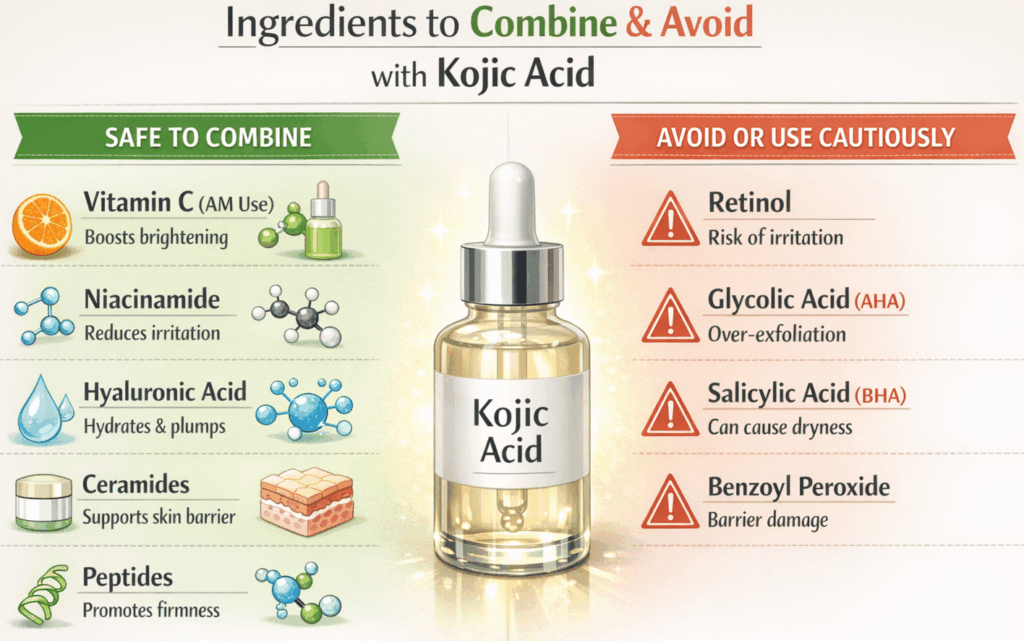
Safe Combinations for Daily Use
With Vitamin C:
- Apply vitamin C serum in the morning
- Use kojic acid in the evening routine
- Both target hyperpigmentation synergistically
- Avoid applying simultaneously to prevent instability
- Wait 30 minutes between applications if using the same routine
With Niacinamide:
- Can be applied together safely
- Reduces potential irritation significantly
- Enhances brightening effects
- Strengthens skin barrier function
- Reduces inflammation and redness
With Hyaluronic Acid:
- Apply kojic acid first on dry skin
- Follow with hyaluronic acid on damp skin
- Improves hydration significantly
- Reduces dryness side effects
- Enhances ingredient penetration
With Peptides and Ceramides:
- Highly compatible combinations
- Apply after kojic acid absorption
- Supports barrier function
- Reduces irritation risk
- Anti-aging benefits
Ingredients to Avoid Together
| Ingredient | Risk Level | Reason | Alternative Approach |
| Glycolic Acid | High | Over-exfoliation, severe irritation | Use on alternate days |
| Retinol/Retinoids | High | Excessive dryness, peeling | Alternate nights only |
| BHA (Salicylic Acid) | Moderate to High | Combined irritation | Space 12+ hours apart |
| Benzoyl Peroxide | Moderate | Increased sensitivity | Use in separate routines |
Why These Combinations Fail:
- Both ingredients compete for skin penetration
- pH levels may neutralize the effectiveness
- Inflammation risk increases exponentially
- Barrier damage occurs faster
- Results diminish rather than enhance
Special Considerations for Daily Kojic Acid Use
Certain situations require modified approaches to ensure safety.
Pregnancy and Breastfeeding
Limited research exists on kojic acid use during pregnancy. Based on current evidence, I recommend:
First Trimester:
- Avoid completely due to unknown safety profile
- Critical development period requires caution
- No human studies confirm safety
- Use vitamin C or azelaic acid instead
Second and Third Trimester:
- Consult your healthcare provider first
- Some doctors approve of minimal use
- Consider safer alternatives like pregnancy-safe skincare acids
- Risk-benefit analysis required
Breastfeeding:
- Minimal absorption through the skin is expected
- Still lacking comprehensive safety data
- Avoid application on the chest area
- Discuss with the pediatrician and dermatologist
Treating Specific Conditions
For Melasma:
- Requires consistent daily application for 8-12 weeks minimum
- Combine with strict sun protection
- Results appear gradually, not overnight
- May need professional combination therapy
- Kojic acid for melasma provides comprehensive treatment protocols
For Post-Acne Hyperpigmentation:
- Start treatment after active acne subsides
- Apply only to darkened areas
- Combine with niacinamide for faster results
- Expected improvement in 6-10 weeks
- Avoid application on active breakouts
For Sun Damage and Age Spots:
- Requires longer treatment duration (10-16 weeks)
- Professional peels may accelerate results
- Maintenance routine is essential after fading
- Annual dermatology checks are recommended
For Dark Lips:
- Application differs from facial use
- Results are typically minimal to moderate
- Does azelaic acid work on dark lips? Explore better alternatives
- Gentler formulations preferred
Sun Protection Is Non-Negotiable
Kojic acid increases photosensitivity significantly:
Essential Protection Rules:
- Apply SPF 30+ every morning without exception
- Reapply every 2 hours when outdoors
- Use physical blockers (zinc oxide or titanium dioxide preferred)
- Wear protective clothing for extended sun exposure
- Seek shade between 10 AM and 4 PM
- Use SPF even indoors near windows
The FDA recommends sun protection as essential when using any skin-lightening ingredient, as UV exposure can worsen hyperpigmentation and cause photo-damage.
What Happens Without Sun Protection:
- Hyperpigmentation worsens rather than improves
- New dark spots develop rapidly
- Skin becomes more sensitive
- Treatment effectiveness nullified
- Risk of post-inflammatory hyperpigmentation increases
Alternatives to Daily Kojic Acid Use
If daily kojic acid doesn’t suit your skin, several effective alternatives exist.
Other Brightening Acids
Azelaic Acid:
- Gentler for sensitive skin types
- Treats acne and hyperpigmentation simultaneously
- Better tolerated for daily use
- Less photosensitivity compared to kojic acid
- Learn how long azelaic acid takes to work
Glycolic Acid:
- Targets texture and pigmentation together
- Requires tolerance building period
- More aggressive exfoliation
- Faster results but higher irritation risk
- Review glycolic vs azelaic vs kojic acid comparison
Tranexamic Acid:
- Newer ingredient with impressive results
- Especially effective for melasma
- Very gentle on sensitive skin
- Can be used with other acids
Natural Alternatives
Vitamin C (L-Ascorbic Acid):
- Powerful antioxidant properties
- Brightens without harsh effects
- Suitable for morning application
- Pairs well with kojic acid in PM
- Boosts collagen production simultaneously
Alpha Arbutin:
- Melanin inhibitor like kojic acid
- More stable formulation
- Less irritating overall
- Effective at lower concentrations
- Suitable for sensitive skin types
Niacinamide (Vitamin B3):
- Reduces inflammation while brightening
- Strengthens skin barrier
- Suitable for all skin types
- Can be used twice daily safely
- Multiple benefits beyond brightening
FAQ: Is Kojic Acid Safe for Daily Use?
Can you use kojic acid every day?
Yes, kojic acid can be used daily at 1-2% concentration for most skin types. Start with once-daily evening application for two weeks, then increase to twice daily if no irritation occurs. Sensitive skin should limit use to 2-3 times weekly.
How long does kojic acid take to work?
Kojic acid shows initial improvements in 2-4 weeks. Significant fading of dark spots appears in 6-8 weeks with consistent daily use. Stubborn conditions like melasma may require 10-12 weeks of treatment.
Does kojic acid permanently lighten skin?
No, kojic acid does not permanently lighten skin. It temporarily reduces melanin production in hyperpigmented areas. Dark spots may gradually reappear several months after discontinuing use, requiring maintenance application.
Is kojic acid safe for dark skin?
Yes, kojic acid is safe and effective for dark skin tones. Unlike hydroquinone, it targets only excess pigmentation without affecting natural skin color. Darker skin tones may need 8-12 weeks for optimal results.
What are the side effects of using kojic acid daily?
Common side effects include mild redness, dryness, tingling, and flaking during the first 2-3 weeks. Approximately 2-3% of users experience contact dermatitis. Daily SPF 30+ sunscreen is essential due to increased photosensitivity.
Should I use kojic acid in the morning or at night?
Evening application is optimal due to increased photosensitivity. If using twice daily, apply broad-spectrum SPF 30+ sunscreen immediately after morning application and reapply every 2 hours outdoors.
Can I use kojic acid with vitamin C?
Yes, but apply them separately for stability. Use vitamin C serum in the morning with sunscreen, then apply kojic acid in the evening. This strategy provides synergistic brightening without excessive irritation.
How long can I safely use kojic acid continuously?
Use kojic acid daily for 3-4 months maximum, then take a 4-6 week break. This prevents skin tolerance and allows barrier recovery. Resume treatment or switch to 2-3 times weekly maintenance after the break.
Conclusion: Making Daily Kojic Acid Work for You
Is kojic acid safe for daily use? Absolutely, when you follow proper guidelines, use appropriate concentrations, and maintain diligent sun protection. Throughout my years of recommending this ingredient, I’ve seen countless people successfully incorporate kojic acid into their daily routines with excellent results.
Ready to start your brightening journey? Begin with a 1% kojic acid serum, apply daily sunscreen without exception, and track your progress with monthly photos.
About the Author
Saima Hussain is a wellness blogger and skincare enthusiast based in Pakistan with over 5 years of experience researching and testing evidence-based skincare solutions. She specializes in breaking down complex dermatological ingredients into practical, accessible advice for Pakistani audiences. Through WellInfinity, she has helped thousands of readers navigate their skincare journeys with science-backed recommendations tailored to local needs and product availability.
Connect: Pinterest https://pin.it/6pnIDrqlK
Medical Disclaimer
This article is for informational and educational purposes only and does not constitute medical advice. The information provided is based on current scientific research, clinical studies, and personal experience but should not replace consultation with a qualified dermatologist or healthcare provider.