
Safe Percentage of Kojic Acid for Daily Use: Complete Guide
Kojic acid has become one of the most sought-after ingredients in skincare, particularly for anyone dealing with dark spots, melasma, or uneven skin tone. As more people discover this powerful skin brightening agent, one critical question keeps surfacing: What is the safe percentage of kojic acid for daily use? Understanding the right concentration can mean the difference between achieving glowing, even-toned skin and experiencing unwanted irritation.
Understanding Kojic Acid and How It Works
Kojic acid is a naturally occurring compound derived from several species of fungi, particularly Aspergillus oryzae, commonly known as koji. This fungal metabolite is also produced during the fermentation process of Japanese sake, soy sauce, and rice wine. The chemical structure of kojic acid is identified as 5-hydroxy-2-hydroxymethyl-γ-pyrone, which gives it unique properties for skincare applications.
Beyond its skin lightening properties, kojic acid offers additional benefits that make it a versatile skincare ingredient. Research demonstrates that it possesses antimicrobial properties, helping to combat acne-causing bacteria on the skin.
The compound also exhibits antioxidant activity, protecting skin from free radical damage and environmental stressors. These multifaceted benefits explain why kojic acid has gained such widespread popularity in the beauty industry. Understanding the safe percentage of kojic acid for daily use can mean the difference between achieving glowing, even-toned skin and experiencing unwanted irritation.
The Safe Percentage of Kojic Acid for Daily Use: What Research Says
The Cosmetic Ingredient Review Expert Panel has conducted extensive research on kojic acid safety and efficacy. Their findings conclude that kojic acid is safe for use in cosmetic products at concentrations up to 1%.
According to scientific studies, the optimal concentration for topical kojic acid preparations ranges between 1% and 2%.
The European Scientific Committee on Consumer Safety confirmed that kojic acid is safe when used as a skin lightening agent in cosmetic products at concentrations up to 1%. However, human sensitization data also supports safety at use concentrations of 2% in leave-on cosmetics, meaning products that remain on the skin rather than being rinsed off immediately.
Most over-the-counter skincare products contain kojic acid in concentrations between 1% and 2%. This range is widely considered both safe and effective for daily use. Products with lower concentrations around 0.75% to 1% are particularly suitable for individuals with sensitive or dry skin types, providing gentle yet effective brightening results. Medium concentrations of 2% to 3% work well for normal to combination skin, while higher concentrations of 4% to 6% should only be used under professional supervision due to increased risk of irritation.
Clinical studies have demonstrated that 1% kojic acid cream produces significant improvements in melasma and hyperpigmentation when used consistently for six months. Patients in these studies reported no significant side effects even after two years of monitored use, supporting the safety profile of 1% kojic acid for long-term application.
Kojic Acid Concentration by Product Type
Different product formulations require different concentration considerations. Understanding how kojic acid percentage varies by product type helps you select the most appropriate option for your skincare routine.
Cleansers and Soaps typically contain kojic acid at concentrations between 1% and 2%. Since these products are rinsed off immediately, they have minimal contact time with the skin, reducing the risk of irritation. Many people use kojic acid soap for body applications, including underarms and other areas prone to hyperpigmentation. The brief exposure time makes these products suitable for daily use, even for those with moderately sensitive skin.
Serums and Creams represent the most common kojic acid product category. Leave-on formulations usually contain concentrations between 1% and 2% for daily use. These products remain on the skin for extended periods, allowing the active ingredient to work more effectively. When selecting a serum or cream, consider your skin type and tolerance level. Those new to kojic acid should start with lower concentrations around 1% and gradually increase if their skin tolerates it well.
Spot Treatments may contain slightly higher concentrations, typically 2% to 4%, since they’re applied only to specific areas rather than the entire face. These targeted applications reduce overall exposure while delivering more concentrated treatment to problem areas. However, even with spot treatments, it’s crucial not to exceed recommended concentrations or frequency of use.
Face Masks and Peels sometimes contain higher concentrations of kojic acid, ranging from 3% to 4%. These products are designed for occasional use rather than daily application. Professional treatments may use even higher concentrations under controlled conditions with proper skin preparation and post-treatment care.
Factors Affecting Safe Kojic Acid Use
Several factors influence how your skin responds to kojic acid, affecting what concentration is truly “safe” for your individual situation. Determining the safe percentage of kojic acid for daily use depends on your unique skin characteristics and current skincare habits.
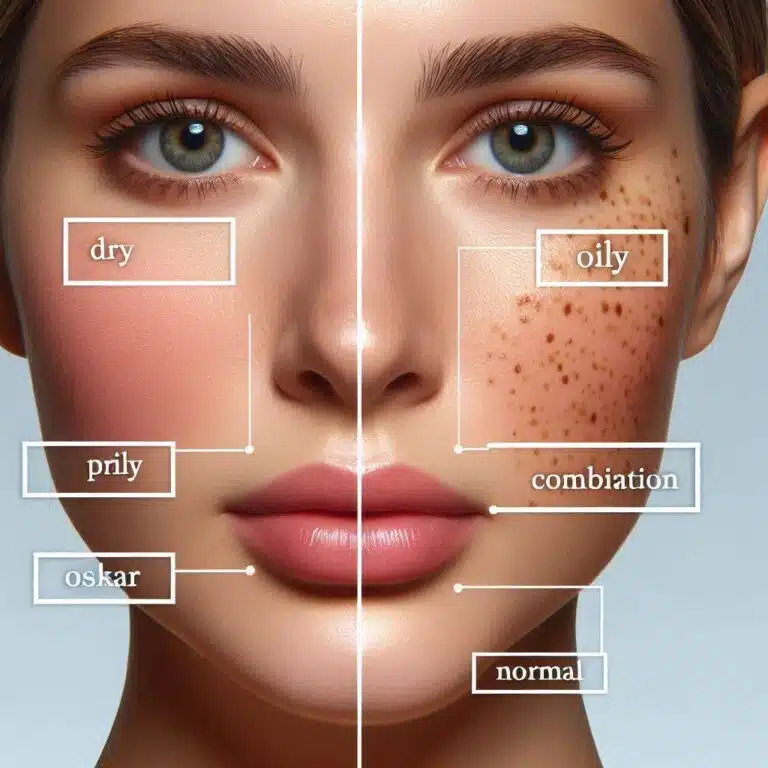
Skin Type Considerations play a crucial role in determining appropriate kojic acid concentration. Sensitive and dry skin types should start with the lowest concentrations, typically 1% or less. These skin types are more prone to irritation, redness, and dryness when exposed to active ingredients. Normal to combination skin generally tolerates concentrations between 1% and 2% well, while oily and resilient skin types may handle concentrations up to 3% or 4% without adverse effects.
Current Skincare Routine significantly impacts kojic acid tolerance. If you’re already using other active ingredients like retinoids, alpha hydroxy acids (AHAs), or beta hydroxy acids (BHAs), your skin may be more sensitive to kojic acid. When combining multiple exfoliating or brightening agents, it’s essential to start with lower concentrations and alternate application days. Learn more about combining different acids in your skincare routine to maximize benefits while minimizing irritation.
Frequency of Application Daily use of 1% kojic acid is generally safe for most skin types, while higher concentrations may require less frequent application. Many dermatologists recommend using kojic acid products every other day initially, gradually building up to daily use as your skin adjusts. This gradual introduction helps minimize the risk of irritation while allowing you to assess your skin’s tolerance.
Environmental Factors also influence kojic acid safety. Sun exposure is particularly important to consider, as kojic acid can increase skin sensitivity to ultraviolet radiation. The melanin-inhibiting action that makes kojic acid effective for brightening also reduces your skin’s natural sun protection. This makes consistent, daily application of broad-spectrum sunscreen with SPF 30 or higher absolutely essential when using kojic acid products.
Potential Side Effects and How to Avoid Them
Understanding potential side effects helps you use kojic acid safely and recognize when to adjust your routine.
Contact Dermatitis (Most Common Side Effect)
Symptoms:
- Redness and irritation
- Itchiness and rashes
- Swollen skin
- Pain and discomfort
Who’s at Risk:
- Individuals with sensitive skin
- Those using concentrations higher than 1%
How to Avoid:
- Start with 1% or lower concentration
- Perform a patch test before full application
- Discontinue use immediately if symptoms appear
- Consult a dermatologist if irritation persists
Increased Sun Sensitivity
Why It Happens:
- Kojic acid inhibits melanin production
- Reduced melanin means less natural UV protection
- Skin becomes more vulnerable to sunburn
How to Avoid:
- Apply broad-spectrum SPF 30+ sunscreen daily
- Reapply every 2 hours when outdoors
- Wear protective clothing and hats
- Seek shade during peak sun hours (10am-4pm)
- Never skip sunscreen, even on cloudy days
Dryness and Peeling
When It Occurs:
- Most common when starting kojic acid
- More likely with higher concentrations
- Indicates compromised skin barrier
How to Avoid:
- Follow kojic acid with hydrating moisturizer
- Look for ingredients like hyaluronic acid, glycerin, or ceramides
- Reduce application frequency if dryness persists
- Switch to lower concentration if needed
- Avoid over-exfoliating with other products
Stinging or Burning Sensations
Normal vs. Concerning:
- Mild tingling: Sometimes normal initially
- Intense stinging/burning: Sign of irritation
How to Avoid:
- Never apply to broken, damaged, or inflamed skin
- Wait until any active breakouts or wounds heal
- Apply to clean, completely dry skin
- Consider buffering with moisturizer first if very sensitive
Best Practices for Safe Kojic Acid Use
Following established best practices ensures you get maximum benefits from kojic acid while minimizing risks. These guidelines help you identify the safe percentage of kojic acid for daily use based on your skin’s response
Start Low and Go Slow represents the golden rule of kojic acid introduction. Begin with the lowest available concentration, typically 1%, and use it every other day for the first two weeks. Monitor your skin’s response carefully during this period.
Always Perform a Patch Test before applying any new kojic acid product to your face. Apply a small amount to an inconspicuous area like behind your ear or on your inner forearm. Wait 24 to 48 hours and observe for any signs of redness, itching, or irritation.
Layer Correctly within your skincare routine. Apply kojic acid products to clean, dry skin before other treatments. If using multiple active ingredients, follow the pH rule: apply acids from lowest to highest pH. Generally, kojic acid should be applied after cleansing and toning but before moisturizer
Never Skip Sunscreen when using kojic acid. Apply a broad-spectrum sunscreen with SPF 30 or higher every morning, regardless of weather or outdoor plans. Reapply every two hours when exposed to direct sunlight. Consider using mineral sunscreens containing zinc oxide or titanium dioxide, as these physical blockers provide both sun protection and anti-inflammatory benefits that can help soothe skin while using active ingredients.
Monitor and Adjust your routine based on your skin’s response. Keep track of how your skin reacts over time, noting any changes in texture, tone, or sensitivity. If you notice increased irritation, reduce application frequency or concentration.
Combining Kojic Acid with Other Ingredients
Understanding ingredient interactions helps you build an effective, safe skincare routine.
Beneficial Combinations ✓
Vitamin C
- Works synergistically with kojic acid
- Both target melanin production through different mechanisms
- Enhances overall brightening effects
- Safe for daily use together
Niacinamide
- Strengthens skin barrier
- Reduces inflammation
- Complements kojic acid’s brightening action
- Minimizes potential irritation
Hyaluronic Acid
- Provides essential hydration
- Counteracts any drying effects from kojic acid
- Supports skin barrier function
- Safe to layer with kojic acid
Alpha Arbutin
- Offers additional melanin inhibition
- Minimal irritation risk
- Works well with kojic acid for enhanced results
- Gentle enough for sensitive skin
Cautious Combinations ⚠️
Retinoids (Retinol, Tretinoin)
- Powerful cell turnover boosters
- Can increase sensitivity when combined
- Best practice: Alternate nights (retinoid PM, kojic acid AM)
- Start with lower concentrations of each
- Monitor skin closely for irritation
AHAs (Glycolic Acid, Lactic Acid)
- Exfoliating acids that may compound irritation
- Can compromise skin barrier when overused
- Best practice: Use 2-3 times weekly, not daily
- Never apply both at the same time
- Allow skin rest days between uses
BHAs (Salicylic Acid)
- May increase dryness and sensitivity
- Risk of over-exfoliation
- Best practice: Use on alternate days
- Reduce frequency if irritation occurs
- Keep concentrations moderate
Ingredients to Avoid ✗
Benzoyl Peroxide
- May deactivate kojic acid
- Causes significant irritation when combined
- Can reduce effectiveness of both ingredients
- Use separately: benzoyl peroxide AM, kojic acid PM (or vice versa)
Hydroquinone
- Increases irritation risk significantly
- Sometimes combined in professional treatments only
- Should only be used together under medical supervision
- Not recommended for at-home combination
- Can cause excessive sensitization
When to Consult a Dermatologist
Seek dermatological consultation if you have pre-existing skin conditions like eczema, psoriasis, or rosacea before starting kojic acid. These conditions may contraindicate kojic acid use or require special precautions.
If you’re pregnant or breastfeeding, consult your healthcare provider about kojic acid safety, as limited research exists on its effects during these periods.
Schedule a dermatology appointment if you experience persistent irritation that doesn’t improve after discontinuing kojic acid use. Severe reactions, such as intense burning, blistering, or significant swelling, warrant immediate medical attention.
Learn more about preventing and treating skin irritation to maintain your skin’s health while pursuing brightening goals in Can Kojic Acid Burn Skin? What You Need to Know
Long-Term Safety and Maintenance
Research on long-term kojic acid use provides reassuring data for those committed to extended treatment.
Research-Backed Long-Term Safety
Clinical Study Results:
- Studies tracked patients using 1% kojic acid cream for up to 2 years
- No significant adverse effects reported with proper use
- Consistent sun protection was maintained throughout studies
- Safe for extended use when guidelines are followed
Key Findings:
- 1% concentration remains safe for prolonged daily use
- Periodic breaks may prevent potential sensitization
- Long-term effectiveness maintained with consistent application
- Side effects don’t increase with extended proper use
Maintenance Schedule Options
Option 1: Reduced Frequency
- Achieve desired results with daily use
- Switch to every-other-day application
- Maintains results while giving skin periodic rest
- Suitable for most skin types
Option 2: Cycling Method
- Use kojic acid for 3 months continuously
- Take 1 month break
- Resume for another 3-month cycle
- Prevents potential sensitization
- Ideal for sensitive skin types
Option 3: Seasonal Approach
- Use more frequently during fall/winter months
- Reduce or pause during peak summer sun exposure
- Adjust based on sun exposure levels
- Easier to maintain sun protection compliance
Sustaining Your Results
Continue Sun Protection Indefinitely:
- Apply broad-spectrum SPF 30+ every morning
- Maintain sun protection even during kojic acid breaks
- UV exposure remains primary trigger for hyperpigmentation
- Essential for preventing new dark spots
Monitor Your Skin:
- Assess results every 4-6 weeks
- Adjust frequency based on skin response
- Watch for signs of sensitization
- Document progress with photos
Maintenance Application Tips:
- Less is more once results are achieved
- Focus on problem areas only if needed
- Continue hydrating and barrier-supporting products
- Stay consistent with routine for lasting results
When to Resume Intensive Treatment:
- New dark spots appear
- Hyperpigmentation returns
- After periods of increased sun exposure
- Seasonal changes affecting skin tone
Conclusion:
The safe percentage of kojic acid for daily use typically ranges between 1% and 2%, with 1% representing the gold standard recommended by cosmetic safety experts. This concentration provides effective melanin inhibition and skin brightening benefits while minimizing the risk of irritation and adverse effects for most users.
Success with kojic acid depends not just on choosing the right concentration but also on following best practices: starting with lower concentrations, performing patch tests, maintaining consistent sun protection, and monitoring your skin’s response. By respecting your skin’s individual needs and adjusting your routine accordingly, you can safely harness kojic acid’s powerful brightening properties to achieve the even, radiant complexion you desire.
For more guidance on building an effective skincare routine with active ingredients, explore our comprehensive guide on pregnancy-safe skincare acids and discover how long azelaic acid takes to work for comparison with kojic acid’s timeline.
Frequently Asked Questions
Can I use 4% kojic acid every day?
No, 4% kojic acid is too strong for daily use. This concentration should only be used under professional supervision, typically 2-3 times weekly maximum. Daily use at 4% significantly increases irritation risk, contact dermatitis, and skin sensitivity. Stick to 1-2% for safe daily application.
What percentage of kojic acid works best for melasma?
1-2% kojic acid concentration works effectively for melasma when used consistently for 3-6 months. Clinical studies show 1% kojic acid cream produces significant melasma improvement with minimal side effects. Higher percentages don’t necessarily work faster and may cause more irritation.
Is 2% kojic acid safe for sensitive skin?
2% kojic acid may be too strong for sensitive skin initially. Start with 1% or 0.75% concentration and use every other day. If your skin tolerates this well after 2-3 weeks, you can gradually progress to 2% or increase frequency. Always patch test first.
How long can you safely use kojic acid cream?
You can safely use 1% kojic acid cream for up to 2 years with proper sun protection, based on clinical research. Some dermatologists recommend cycling (3 months on, 1 month off) to prevent sensitization. Maintenance use can continue indefinitely at reduced frequency.
Can I mix kojic acid with vitamin C serum?
Yes, kojic acid and vitamin C work synergistically and are safe to combine. Both target melanin production through different mechanisms, enhancing brightening effects. Apply vitamin C first, wait 2-3 minutes, then apply kojic acid. Use in morning routine with sunscreen.
What’s better for dark spots: 1% or 2% kojic acid?
For most people, 1% kojic acid effectively treats dark spots with lower irritation risk. 2% may work slightly faster but increases side effect potential. Start with 1% for 6-8 weeks. If results are slow and your skin tolerates it well, consider moving to 2%.
Does kojic acid percentage matter for underarms?
Yes, percentage matters for underarm application. Use 1-2% in soap or cream formulations for underarms. Body skin is generally more resilient than facial skin, but underarms are sensitive areas. Start with 1% to assess tolerance before increasing concentration.
Can I use kojic acid soap and cream together?
Yes, but start cautiously. Using kojic acid soap (1-2%) and cream (1%) together increases total exposure. Begin with soap only for 2 weeks, then add cream if skin tolerates it. Apply cream after showering when skin is slightly damp. Monitor for dryness or irritation.