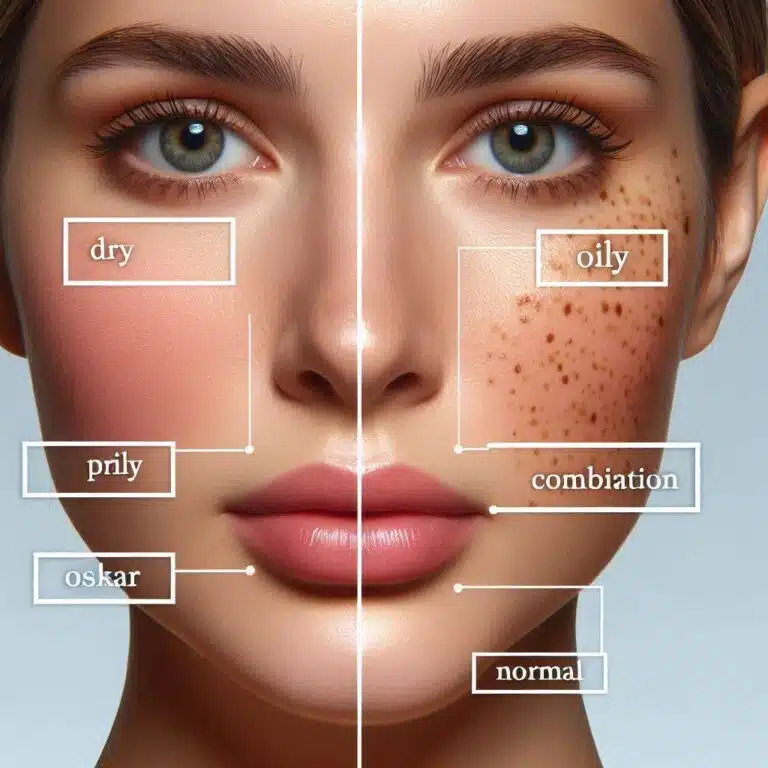

Makeup for Beginners: Skincare Before and After
Skincare Before and After
Starting your makeup for beginners journey can feel exciting yet overwhelming. Many beginners wonder what makeup a beginner should start with, or how to prep your skin for makeup. The answer lies in establishing a simple routine that focuses on skincare both before and after makeup. Proper prep ensures smooth application, while post-makeup care keeps your skin healthy. In this guide, we’ll cover the basic steps for makeup beginners, tips for creating a beginner’s natural look, and even advice inspired by makeup tutorial trends. With the right routine, flawless beauty becomes effortless.
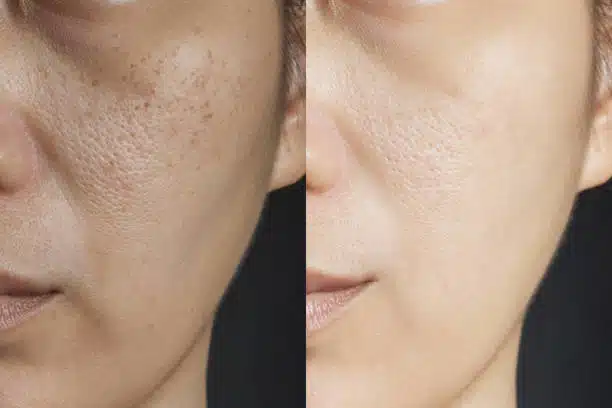
Why Skincare Matters Before and After Makeup
If you focus only on learning the basic steps for makeup beginners, it’s not enough. The real secret to flawless results is proper skincare before and after makeup. Prepping your skin ensures foundation goes on smoothly, helps products last longer, and prevents issues like creasing or patchiness. For oily skin types, following a simple skincare before and after oily skin routine can reduce shine and keep makeup in place. On the other hand, dry or sensitive skin needs extra hydration to avoid flaking. After makeup, cleansing is just as important—skipping removal can clog pores and cause breakouts. Whether you’re trying to achieve a natural look or experimenting with bolder styles, healthy skin is the best foundation. Investing time in skincare before and after means your makeup not only looks better, but your skin stays glowing and protected in the long run.
The Foundation of Beauty: Skincare before Makeup
Before reaching for foundation or lipstick, it’s essential to know how to prep your skin
Cleansing: The First Step
The first step and important requirement before applying makeup is washing your face. Cleaning wipes out grime, sebum, and other contaminants that lodge themselves on the skin at night or during the day. Select a mild soap that is appropriate to your skin type because hard soaps will remove the skin oils.
Toning: Balancing Act
Toning is the next step in your skincare practice after washing, as it scales and balances the skin’s pH before putting on makeup. Toners can also lessen the appearance of pores and remove every other remaining deposit of dirt or cleanser.
Serum: Targeted Treatment
Having a serum in the mix before making it up enables you to handle skin issues that need to be treated. For whatever skin woes you may have, dryness, fine lines, and texture issues. There is a specific serum out there for it.
Moisturizer: Hydration is Key
You must not miss out on moisturizer in your skincare regimen before the makeup regimen. Drinking water and having a clean face are good places to start before applying makeup to the face. Select the moisturizer right for your skin type: water-based gel for oily skin and oil-based cream for dry skin.
Sunscreen: Protection is Non-Negotiable
The last part of your skincare before makeup should always be sun protection. Sunscreen helps shield your skin from dangerous UV rays so as to avoid a sagging skin tone. Don’t choose a light-tinted formula; instead, use a broad-spectrum sunscreen that’s at least SPF 30.
Basic Steps for Makeup Beginners (Step-by-Step Guide)
Once your skin is prepped, it’s time to explore the basic steps for makeup beginners. Many people wonder, “What makeup should a beginner start with?” The answer is to begin simple—choose products that are easy to apply and enhance your natural beauty.
- Foundation or BB Cream – Even out your skin tone with a light base.
- Concealer – Cover dark circles or blemishes.
- Powder (optional) – Controls shine, especially for oily skin.
- Blush or Bronzer – Add warmth and a healthy glow.
- Mascara – Instantly open up your eyes.
- Lip Tint or Gloss – Perfect for a quick, fresh look.
Learning how to apply makeup step by step for beginners makes the process less intimidating. You can even follow along with a makeup for beginners tutorial or practice simple makeup steps at home to build confidence. For inspiration, many turn to communities like Makeup for Beginners Reddit, where real users share tips and beginner-friendly product recommendations. By starting small and practicing consistently, you’ll master the essentials and gradually move on to more advanced techniques with ease.
Makeup Application: A good skincare routine acts as a base for developing your range of skincare products.
Now that your skincare before makeup is set, you can apply any cosmetic you want. Just as it was re-called, the success of the make-up job one does is pegged on the care and diligence one gives to the skin before the make-up.
Primer: This is the clear link between skincare and makeup.
The best primer is that product, which helps to create a smooth bridge between the skin care process and applying makeup. It also helps to minimize unevenness and wearing of your makeup.
Foundation and Concealer: Even Out Your Complexion
Select products that are our identity color and skin type; it is recommended. It means the more effectively you will care for your skin before applying makeup. The less you will need to cover imperfections.
Eyes, Cheeks, and Lips: Express Your Creativity
Now that you have this foundation, thanks to your good skincare before applying makeup, you can spice up the eyes with eye shadows, cheeks with blush, and lips with the right color.
Makeup Styles for Different Audiences
Makeup isn’t the same for everyone, and beginners often adapt the basic steps for makeup beginners to suit their style, age, or skin tone. Here are some beginner-friendly approaches:
Gen Z Makeup Trends
Wondering how Gen Z does makeup? Their style is all about fresh, glowing skin with minimal coverage, glossy lips, fluffy brows, and playful pops of color. It’s perfect if you want a youthful and trendy vibe.
Natural Look for Beginners
For a softer routine, try a makeup for beginners natural look. Stick to a lightweight foundation or BB cream, a touch of blush, mascara, and tinted lip balm. These simple makeup steps at home are quick and easy for everyday wear.
Makeup for Brown Skin and Dark Skin
Choosing shades that match undertones is essential. Makeup for beginners, brown skin works best with warm shades of blush and foundation, while makeup for beginners, dark skin requires deeper pigments that avoid looking ashy.
Makeup for dark complexion
When it comes to makeup for beginner black women, undertone-matching foundation is key. Add bold lipsticks and luminous highlighters that enhance natural radiance for a polished yet beginner-friendly look.
Preserving Your Look: Skincare After Makeup
Your beauty regimen does not stop when you start to wash your face and remove your makeup. Removal of makeup is as important as the application process, meaning the after process is as important as the before process.
Gentle Makeup Removal
The toughest waterproof makeup has to be removed with a makeup remover or a cleansing oil. Taking step one in the above process allows you to make sure that your skin is free from all traces of makeup.
Double Cleansing
After that, rinse off with your usual face wash to wash off any residue left by the makeup remover. Such deep cleaning is one of the important steps of skin care after makeup.
Face Wash (from 1–2 times/week)
To remove the buildup of dead skin cells after makeup, add gentle skin exfoliation as one of your skincare practices.
Toner and Serum
This is the right time to rebalance your skin and target some of the problems that were dealt with in the previous step—skincare before makeup.
Night Cream or moisturizer
Seal in moisture with a light night cream or night moisturizer for perfect, supple skin in the morning. Skin renewal mainly takes place at night; thus, this step in your skincare regimen after a makeup procedure is a must to keep your skin healthy.
Eye Cream
Finally, do not forget to nurture the thin skin around the eye areas. A good eye cream should solve fine lines, puffiness, and even circles.
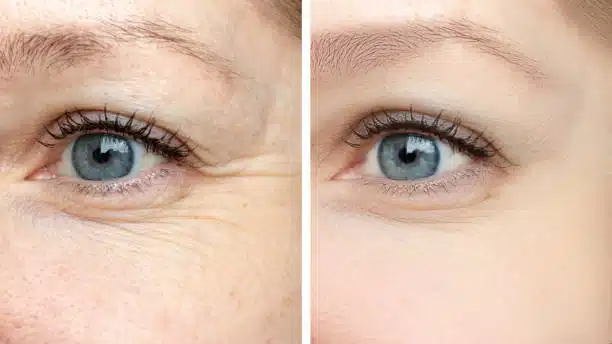
Long-Term Effectiveness of Daily Care for Skin
The advantages of having regular skincare before and after makeup routine stretch not simply to how your makeup is done well, but furthermore. Slowly but surely, you will observe positive changes in your skin’s elasticity, pigmentation, and condition. This dedication to skincare before and after makeup is brought out in this article, whereby the emphasis is shifted towards enjoying milk makeup and leaving your natural beauty to unveil itself.
Conclusion
For anyone beginning their beauty journey, mastering the basic steps for makeup beginners is only part of the process. The real secret lies in consistent skincare before and after makeup. Prepping your skin creates a flawless canvas, while proper cleansing and recovery ensure long-term health. Whether you’re exploring a makeup for beginners natural look, building a simple makeup for beginners kit, or following a makeup for beginners tutorial, remember that glowing skin is the best foundation you can have.
Every beginner may ask, “What makeup should a beginner start with?”—but the truth is, products work best when paired with the right skincare. By practicing these routines and learning step by step, you’ll not only improve your makeup skills but also protect your skin’s natural beauty. With patience and the right habits, your beginner journey will quickly turn into confident, effortless artistry.
FAQs
1. What makeup should a beginner start with?
A beginner should start with simple products such as BB cream or foundation, concealer, mascara, blush, and a lip tint or gloss. These basics are easy to use and create a natural look without overwhelming you.
2. How to prep your skin for makeup for beginners?
Cleanse your face, apply a lightweight moisturizer, and don’t forget sunscreen. For oily skin, add a mattifying primer to control shine. This routine is key in any makeup for beginners skincare before and after process.
3. What are the basic steps for makeup beginners?
The basic steps for makeup beginners include foundation or BB cream, concealer, blush or bronzer, mascara, and lip color. Once comfortable, you can add eyeshadow, eyeliner, and contouring.
4. How does Gen Z do makeup?
Gen Z tends to favor fresh, glowing looks—minimal foundation, natural brows, glossy lips, and playful pops of color.
5. Do I really need skincare after makeup?
Yes! Removing makeup properly and following with toner and moisturizer prevents breakouts and keeps your skin glowing.
6. How long should I wait to apply makeup after skincare?
When it comes to skincare, it is recommended not to apply makeup immediately after the skincare process; ideally, wait for approximately 5-10 minutes. This enables the product to be properly absorbed so that when applying makeup, the whole process becomes seamless and the quality will last longer.
7. Should I avoid putting moisturizer on my face since I have an oily skin type?
Of course, even such a skin type has to be moisturized; otherwise, the skin can turn oily for completely different reasons. When doing your skincare before the makeup, pick a sensitive skin light moisturizer free from oil to ensure that the skin is not producing excess oil.