
Top 15 Biotin Rich Foods for Hair Growth Naturally
Struggling with thinning hair, slow growth, or brittle strands? The solution might be simpler than you think. Biotin rich foods for hair growth offer a natural, science-backed approach to strengthening your hair from the inside out.
What Is Biotin and Why Does It Help Hair Growth?
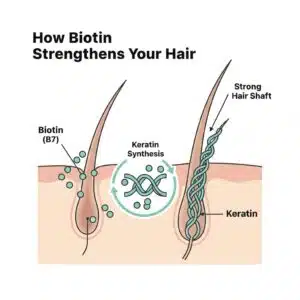
Biotin, also called vitamin B7 or vitamin H, is a water-soluble vitamin that acts as a coenzyme in metabolizing fats, carbohydrates, and proteins. Your body relies on biotin to convert nutrients into usable energy while supporting cellular functions throughout your system.
For hair health specifically, biotin supports keratin infrastructure. When biotin levels drop, hair follicles struggle to produce strong, resilient strands. This manifests as:
- Increased hair breakage – Weak shafts snap easily at the root
- Slower growth rates – Follicles work inefficiently without adequate biotin
- Thinning appearance – Individual strands become finer over time
- Dull texture – Reduced protein synthesis affects natural shine
Research published by the National Institutes of Health confirms biotin deficiency directly correlates with hair loss and reduced hair quality. The good news? True deficiency remains rare when you consume a varied diet rich in whole foods.
Best Biotin Rich Foods for Hair Growth and Thickness
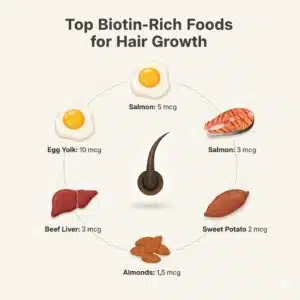
1. Egg Yolks – Top Biotin Source for Hair
Biotin content: 10 mcg per whole egg (33% DV)
Egg yolks rank among the most concentrated foods that promote hair growth with biotin. One cooked egg delivers roughly one-third of your daily biotin requirement. The yolk contains all the biotin—egg whites have avidin, a protein that binds biotin when consumed raw. Always cook eggs thoroughly to maximize biotin absorption.
How to use: Scramble with vegetables, boil for meal prep, or poach over whole grain toast for a biotin-rich breakfast.
2. Beef Liver – Highest Biotin Content Food
Biotin content: 31 mcg per 3-ounce serving (103% DV)
Organ meats like beef liver contain the highest biotin levels of any food source. A single serving exceeds your entire daily requirement while delivering iron, vitamin A, and B12—all critical for healthy hair follicles.
How to use: Pan-fry with onions, blend into pâté, or mix with ground beef for nutrient-dense burgers.
3. Salmon – Omega-3 and Biotin Combination
Biotin content: 5 mcg per 3-ounce serving (17% DV)
This fatty fish combines biotin with omega-3 fatty acids and high-quality protein. Omega-3s reduce inflammation around follicles while biotin supports keratin production—creating an ideal environment for natural hair growth with biotin rich foods.
How to use: Grill, bake, or add to salads and grain bowls for complete nutrition.
4. Sweet Potatoes – Plant-Based Biotin Source
Biotin content: 2.4 mcg per half-cup serving (8% DV)
Sweet potatoes provide biotin alongside beta-carotene, which converts to vitamin A in your body. This combination supports both hair growth and scalp health while delivering fiber for improved nutrient absorption.
How to use: Roast with olive oil, mash as a side, or slice into fries for versatile preparation.
5. Almonds – Best Nuts for Biotin and Hair Health
Biotin content: 1.5 mcg per quarter-cup (5% DV)
These nuts deliver biotin, vitamin E, and healthy fats in one portable snack. Vitamin E protects hair follicles from oxidative stress while biotin fuels growth processes naturally.
How to use: Snack raw, add to oatmeal, blend into almond butter, or sprinkle over salads.
6. Sunflower Seeds – Nutrient-Dense Biotin Snack
Biotin content: 2.6 mcg per quarter-cup (9% DV)
Sunflower seeds pack significant biotin with vitamin E, selenium, and healthy fats that nourish your scalp and reduce inflammation—key factors for hair thickness and biotin absorption.
How to use: Sprinkle over salads, mix into trail mix, or add to homemade energy bars.
7. Nutritional Yeast – Vegan Biotin Powerhouse
Biotin content: 21 mcg per 2-tablespoon serving (70% DV)
This deactivated yeast serves as a complete protein source and biotin powerhouse. Popular in plant-based diets, nutritional yeast provides cheesy flavor while delivering substantial biotin for preventing hair loss naturally.
How to use: Sprinkle over popcorn, stir into soups, or blend into sauces for umami depth.
8. Avocado – Healthy Fats Plus Biotin
Biotin content: 2-6 mcg per medium avocado (7-20% DV)
Avocados combine biotin with monounsaturated fats and vitamin E. These fats help absorb fat-soluble vitamins while moisturizing your scalp from within for optimal follicle health.
How to use: Mash onto toast, blend into smoothies, or dice into salads for creamy texture.
9. Chicken Breast – Lean Biotin-Rich Protein
Biotin content: 3 mcg per 3-ounce cooked serving (10% DV)
Chicken breast provides quality biotin alongside complete protein and B vitamins. This lean protein supports follicle health and may help prevent hair loss related to hormonal balance and hair health issues.
How to use: Grill with herbs, bake with vegetables, add to salads, or use in meal prep bowls.
10. Mushrooms – Fungal Biotin Source
Biotin content: 2.6 mcg per cup fresh (9% DV)
Mushrooms offer one of the few plant-based sources with notable biotin content. They also provide selenium, copper, and antioxidants that protect hair from environmental damage.
How to use: Sauté with garlic, add to omelets, or use as meat substitute in various dishes.
11. Spinach – Iron and Biotin for Hair
Biotin content: 0.5 mcg per half-cup cooked (2% DV)
While spinach contains modest biotin, it provides iron, folate, and vitamins A and C. These nutrients work synergistically with biotin to improve scalp circulation and support collagen production around follicles.
How to use: Sauté as a side, add raw to smoothies, or wilt into pasta dishes.
12. Broccoli – Vitamin C Boosts Biotin Absorption
Biotin content: 0.4 mcg per half-cup (1% DV)
Broccoli contributes biotin while delivering vitamin C, which enhances iron absorption. Better iron status means more oxygen reaches follicles, supporting their metabolic needs for faster hair growth with biotin.
How to use: Steam lightly, roast with garlic, add to stir-fries, or blend into soups.
13. Bananas – Quick Biotin Snack
Biotin content: 0.2 mcg per medium banana (1% DV)
Bananas provide quick energy through natural sugars while supporting gut health with prebiotic fiber. A healthy gut improves nutrient absorption, including biotin from other foods.
How to use: Eat fresh, blend into smoothies, slice over oatmeal, or freeze for desserts.
14. Whole Grain Bread – Complex Carbs with Biotin
Biotin content: 0.02-6 mcg per slice (varies by grain)
Whole grains contain more biotin than refined versions. They also provide B-complex vitamins, iron, and zinc—all essential for comprehensive hair health beyond just biotin content.
How to use: Toast for breakfast, use for sandwiches, or serve alongside soups.
15. Cauliflower – Versatile Biotin Vegetable
Biotin content: 0.2-4 mcg per cup raw (1-13% DV)
This versatile vegetable contributes biotin while delivering sulforaphane, a compound that supports detoxification. Reduced toxin load may improve overall hair health by decreasing systemic inflammation.
How to use: Rice for grain-free alternatives, roast for flavor, mash as potato substitute, or blend into soups.
How Much Biotin Do You Need Daily for Hair Growth?
The adequate intake (AI) for biotin varies by life stage:
- Adult men and women: 30 mcg per day
- Pregnant women: 30 mcg per day
- Breastfeeding women: 35 mcg per day
- Adolescents (14-18): 25 mcg per day
Most people easily meet these requirements through food alone. However, certain factors increase biotin needs including pregnancy, prolonged antibiotic use, anti-seizure medications, excessive alcohol consumption, and digestive disorders affecting nutrient absorption.
Why Whole Foods Beat Biotin Supplements for Hair
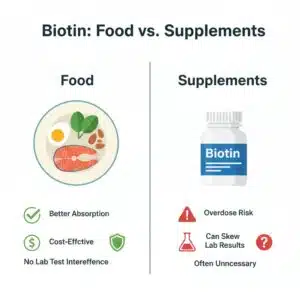
While biotin supplements for hair growth flood the market, whole foods offer distinct advantages:
- Superior absorption: Food-based biotin comes with cofactors that enhance utilization
- No overdose risk: Megadoses from supplements can interfere with lab test results
- Comprehensive nutrition: Foods deliver complementary nutrients like protein, omega-3s, and vitamins
- Cost-effective: Buying whole foods costs less than quality supplements
Before considering supplements, evaluate your diet. Most people consuming varied whole foods naturally meet biotin needs. If you suspect deficiency, consult a healthcare provider rather than self-prescribing high-dose supplements that may cause potential biotin side effects.
Practical Tips for Adding Biotin Rich Foods Daily
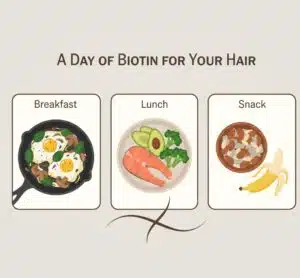
Making biotin rich foods for hair growth part of yourroutine doesn’t require complicated meal plans:
Build a biotin-rich breakfast:
- Scrambled eggs with sautéed spinach and mushrooms
- Oatmeal topped with banana, almonds, and sunflower seeds
- Whole grain toast with mashed avocado and boiled egg
- Smoothie with spinach, banana, almond butter, and nutritional yeast
Snack strategically:
- Pre-portioned almonds or sunflower seeds in containers
- Hard-boiled eggs prepared weekly
- Fresh bananas for quick energy
- Avocado-based dips with vegetables
Upgrade your proteins:
- Salmon or fatty fish twice weekly
- Eggs daily or every other day
- Occasional organ meats like liver monthly
- Chicken breast as versatile lean protein
Frequently Asked Questions About Biotin and Hair Growth
What foods are highest in biotin for hair growth?
Beef liver contains the most biotin at 31 mcg per serving, followed by nutritional yeast (21 mcg), eggs (10 mcg), salmon (5 mcg), and pork chops (3.8 mcg). These top biotin rich foods provide substantial amounts to support natural hair growth.
Can you get enough biotin from food without supplements?
Yes, absolutely. A varied diet easily meets the 30 mcg daily requirement. One egg plus a handful of almonds provides nearly half your needs. Add salmon and sweet potato, and you’ve exceeded daily recommendations without any supplements.
How long does it take for biotin to work for hair growth?
When correcting a true deficiency, expect 3-6 months for visible improvement. Hair grows approximately 0.5 inches monthly, so new, healthier hair must grow out and replace damaged strands. Immediate results are impossible due to hair’s slow natural growth rate.
Which fruits and vegetables are rich in biotin?
Avocados contain the most biotin among produce (2-6 mcg), followed by sweet potatoes (2.4 mcg), cauliflower (0.2-4 mcg), and bananas (0.2 mcg). However, animal proteins generally provide higher biotin concentrations than plant sources for biotin deficiency and hair loss prevention.
Do eggs really help with hair growth and thickness?
Yes, eggs are excellent for hair health. Each whole egg provides 10 mcg of biotin plus high-quality protein—both essential for keratin production. Always cook eggs thoroughly, as raw egg whites contain avidin, which blocks biotin absorption.
Is biotin deficiency common in hair loss?
True biotin deficiency is rare but can occur with prolonged antibiotic use, digestive disorders, pregnancy, or consuming raw egg whites regularly. Most hair loss stems from genetics, hormones, or stress rather than biotin deficiency. Consider biotin and PCOS if you have hormonal imbalances.
What are the best biotin foods for vegetarians and vegans?
Plant-based biotin sources include nutritional yeast (21 mcg per 2 tablespoons), sunflower seeds (2.6 mcg per quarter-cup), avocados (2-6 mcg), sweet potatoes (2.4 mcg), mushrooms (2.6 mcg per cup), and almonds (1.5 mcg per quarter-cup).
Can too much biotin from food cause side effects?
No, biotin from food doesn’t cause side effects since it’s water-soluble and excess exits through urine. However, high-dose biotin supplements (5,000-10,000 mcg) can interfere with medical lab tests and potentially cause acne in some individuals.
Related Read:
Biotin During Pregnancy: Is It Safe?
Conclusion
Biotin rich foods for hair growth provide a natural, science-backed approach to strengthening your hair from within. Rather than relying on expensive supplements with questionable benefits, focus on incorporating nutrient-dense whole foods into your daily routine.